Modern OEM electronics often combine processors, communication interfaces, signal-conditioning circuits, and control functions within increasingly compact designs. That combination makes integrated-circuit selection more nuanced than simply matching a functional description with a part number.
A useful sourcing process considers electrical behavior, package configuration, environmental requirements, documentation, and supply conditions together. At Mayhwa, we use that broader perspective when reviewing component requests, while a distributor texas instruments can provide access to different device categories and manufacturer references for technical comparison.

Mapping IC Functions To System Architecture
An IC’s role within the circuit should be established before individual specifications are compared. Interface devices, logic components, amplifiers, converters, power-management circuits, and timing devices each address different parts of an embedded architecture. Understanding the signal path first makes it easier to determine which electrical characteristics actually matter.
Communication-related components deserve particular attention in systems that exchange information across boards or between controllers and peripheral equipment. Designers may need to consider signal direction, channel count, voltage levels, transmission distance, switching behavior, and noise tolerance. These factors can vary significantly between applications, even if two devices appear similar in a general catalog search.
Control circuits present another set of considerations. Some hardware performs simple state management, while other applications require rapid switching or coordination among several subsystems. Dedicated IC functions can reduce the amount of processing assigned to the main controller, allowing software resources to remain focused on higher-level tasks.
A texas instruments distributors search can be useful at this stage, particularly when procurement teams need to explore several component categories without losing sight of the intended circuit function.
Examining Electrical And Physical Characteristics
Electrical specifications provide the foundation for technical comparison. Supply voltage, input thresholds, output capability, operating frequency, propagation characteristics, current consumption, and temperature range may all affect circuit compatibility. One parameter rarely tells the entire story; the interaction between several specifications usually determines whether a device fits the design.
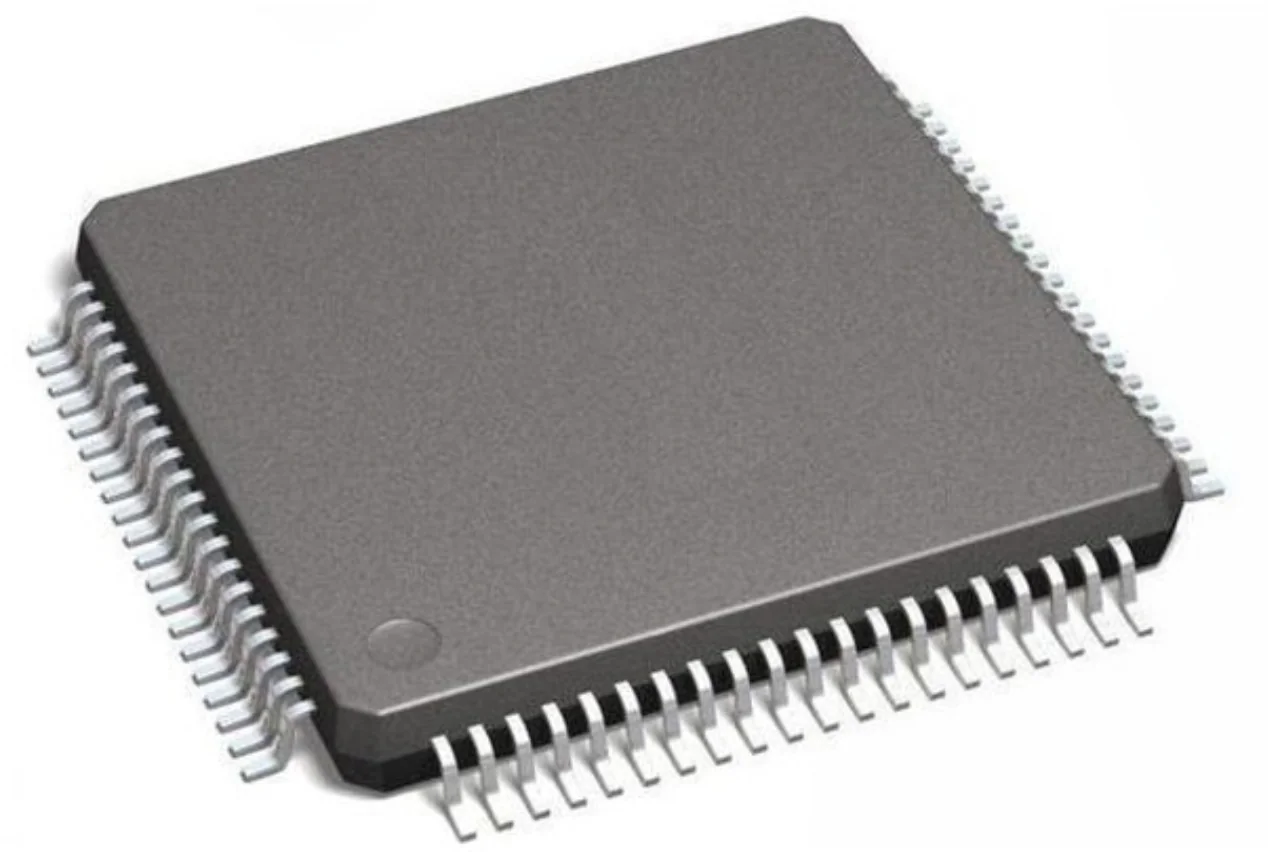
Package selection creates a separate set of constraints. PCB dimensions, component placement, assembly methods, thermal conditions, and accessibility during servicing can influence the preferred package style. Surface-mount formats may support dense layouts, while through-hole packages remain useful in prototypes, educational hardware, and selected industrial assemblies.
Exact ordering references also deserve close attention. Devices within the same broad family can differ by package, temperature grade, channel configuration, or other electrical characteristics. Checking the full reference prevents assumptions based on a shortened component name from carrying into the purchasing stage.
For teams comparing distributor texas instruments options, model-level information should sit alongside package and specification data. This creates a clearer technical record and makes communication between procurement and design personnel more precise.
Considering Interface Performance And Application Conditions
Signal integrity becomes increasingly significant as embedded systems handle faster communication and more interconnected peripherals. Trace layout, impedance, grounding, decoupling, connector quality, and surrounding electromagnetic activity can all influence signal behavior. The IC itself represents only one part of the complete signal path.
Operating conditions add another dimension to component selection. Equipment installed inside industrial machinery may encounter heat, vibration, electrical noise, and long operating cycles. Portable or battery-powered products may instead place greater emphasis on energy consumption, standby behavior, and compact dimensions.
One specific part in our available inventory illustrates why detailed reference checking matters. AM26C31CNSR is manufactured by TI and is listed as an IC transceiver with four channels and a 16-SO package. Its current stock status is available. Such information gives a purchasing team a concrete reference for checking the intended function, package format, manufacturer, and inventory position before proceeding with an order.
Technical documentation should accompany these checks. Datasheets provide electrical limits and functional characteristics, while application materials can offer additional context about implementation. A texas instruments distributors channel may help teams access relevant component information, but the final comparison should remain tied to the requirements of the actual circuit.
Reviewing Sourcing Information Before Production
Production planning introduces considerations that may not be obvious during early schematic development. Inventory status, packaging configuration, manufacturer identification, documentation, and ordering-code accuracy can all affect procurement decisions. These details become particularly important when a component is used across multiple product revisions or production batches.
Lifecycle information deserves attention as well. OEM products can remain in manufacturing for years, so teams may want to understand whether a selected component fits the expected duration of the project. Keeping records of compatible references can also make future sourcing discussions more manageable if market conditions change.
Traceability provides another useful checkpoint. Purchasing teams may request information about packaging, markings, manufacturer references, inspection procedures, or other identification details depending on the application. Clear records make it easier to reconcile incoming components with the original purchasing specification.
At Mayhwa, we review the exact component reference together with manufacturer information, specifications, and stock status. We also consider the application context provided by the customer, since a technically similar part may not satisfy the same circuit requirements. This approach allows us to keep sourcing discussions grounded in the actual component being requested.
Conclusion
A useful IC selection process begins with the circuit rather than the catalog. Once the required function is understood, electrical specifications, package constraints, signal behavior, environmental conditions, documentation, and supply information can be assessed in a logical sequence. texas instruments distributors may provide valuable sourcing channels for OEM teams exploring manufacturer-specific references, while exact ordering details remain essential to the final decision.
We at Mayhwa keep both technical requirements and procurement realities in view, giving customers a practical framework for evaluating Texas Instruments components as embedded products move from development toward production.