Semiconductors are the foundation of modern electronics, enabling technologies across industries such as consumer electronics, automotive systems, industrial automation, and communication networks. Understanding semiconductor applications helps explain how these components support everyday devices and advanced technologies.
This guide explores what semiconductors are used for, common device types, and real-world semiconductor examples to show how these essential components power modern electronic systems.
What Are Semiconductors?
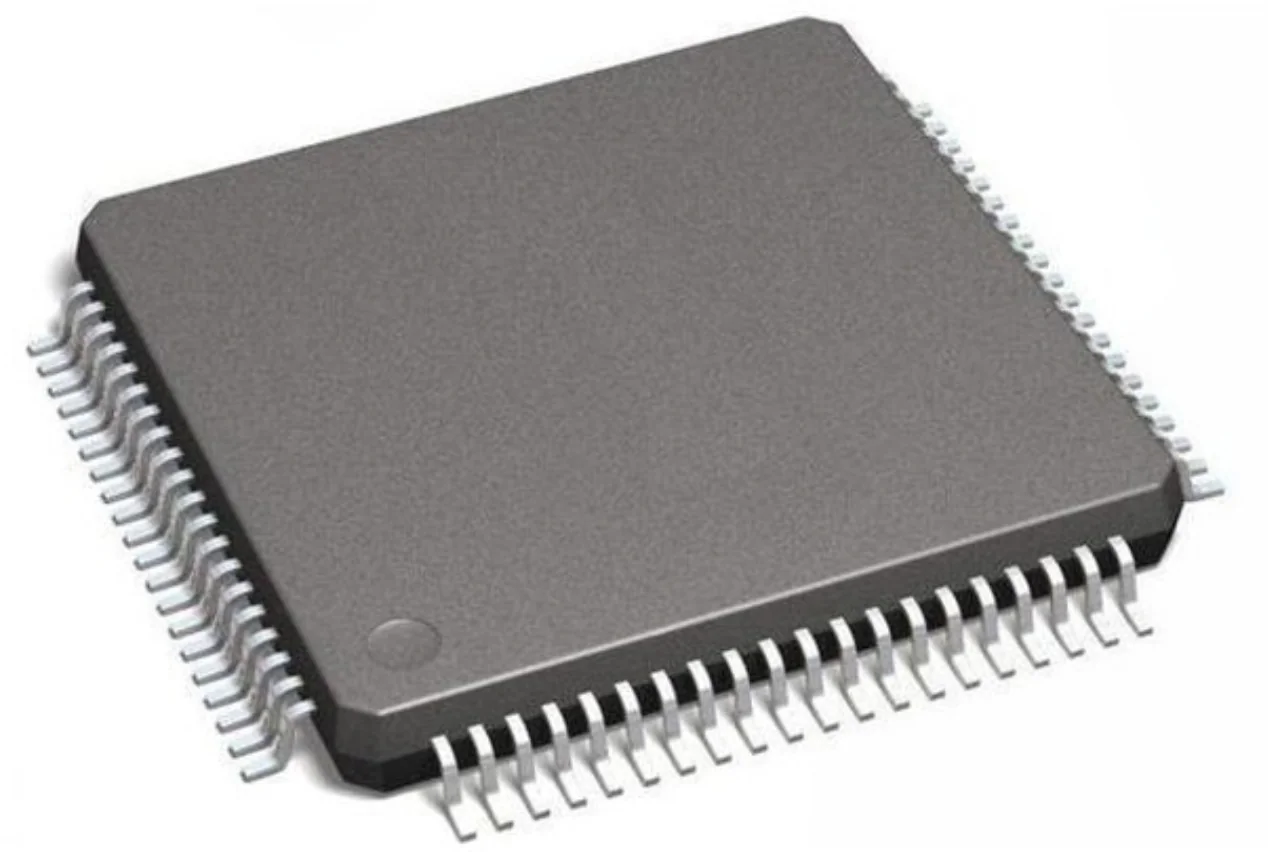
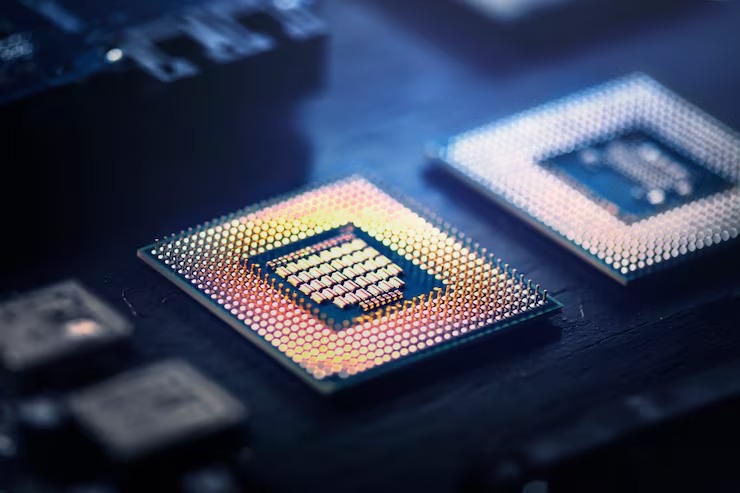
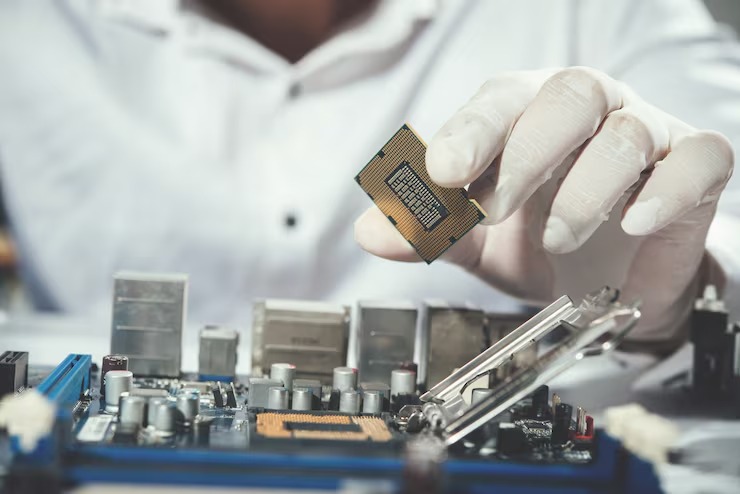
In the electronics industry, semiconductors refer to electronic components built from materials like silicon, gallium arsenide (GaAs), and silicon carbide (SiC). The most common types include integrated circuits (ICs), diodes, and transistors.
These components are found in virtually every electronic product on the market today. For procurement teams and engineers, they represent some of the most critical — and most supply-sensitive — parts on any bill of materials.
What Are Semiconductors Used For?
So what are semiconductors used for in practice? The following sections break down the key industries where these components are most in demand.
- Consumer Electronics:Semiconductors handle data processing, manage power consumption, enable wireless communication, and drive display output in devices such as smartphones, laptops, and smart home products. As product cycles shorten, sourcing pressure on these components continues to grow.
- Automotive:In modern vehicles, semiconductors control engine timing, manage EV battery charging and discharging, process sensor data for driver-assistance features, and run in-vehicle infotainment systems. A single vehicle can rely on over 1,000 semiconductor devices, and any supply gap risks halting production.
- Industrial and Automation: Semiconductors convert sensor signals into digital data, regulate motor speed and torque, and enable machine-to-machine communication in automated production lines. Components must operate reliably under extreme temperatures and vibration.
- Communication and Networking: Semiconductors amplify, modulate, and convert signals to support high-speed data transmission across 5G, fiber-optic, and satellite networks. These applications often demand components built with specialized materials and tight performance tolerances to ensure signal integrity and low latency.
- Healthcare: Semiconductors capture and process biological signals in imaging and monitoring equipment, enabling accurate diagnostics. Components must meet strict regulatory and precision requirements.
Semiconductor Application Examples Across Different Industries
For procurement teams, the table below provides a quick reference of key semiconductor applications by industry.
Industry | Key Semiconductor Applications | Common Semiconductor Devices |
Consumer Electronics | Smartphones, laptops, wearables, smart home | MCUs, power management ICs, wireless ICs |
Automotive | ECUs, ADAS, EV battery systems, infotainment | Automotive-grade MCUs, gate drivers, sensor ICs |
Industrial Automation | PLCs, motor drives, robotics, smart sensors | Industrial MCUs, power ICs, signal converters |
Communication & Networking | 5G base stations, routers, fiber-optic systems | RF ICs, high-speed data converters, clock ICs |
Healthcare | Medical imaging, patient monitoring, portable diagnostics | Precision ADCs, low-power MCUs, sensor ICs |
Energy | Solar inverters, smart grid systems | Power diodes, voltage regulators, gate drivers |
From consumer devices to critical infrastructure, these semiconductor examples show the breadth of demand across industries. But what exactly do these components do inside these systems? The next section explains the core functions that make it all work.
How Semiconductor Components Enable Modern Electronic Systems
Behind every modern electronic system is a set of semiconductor components working together to make it function. These components enable systems by performing four essential roles — each one critical to delivering a complete, working product.
Processing and Control
Semiconductors process data and execute instructions in real time. They interpret input from sensors, run software logic, and coordinate the actions of other components — serving as the decision-making core of any electronic system.
Power Control and Regulation
Semiconductor devices manage how electrical energy is distributed within a system. They convert voltage levels, regulate charging cycles, and protect circuits from overcurrent or short circuits — ensuring every part of the system receives stable, safe power.
Signal Conversion
The physical world operates in analog, but electronic systems process digital data. Semiconductor devices bridge this gap by converting analog signals — such as temperature, pressure, and sound — into digital form for processing, and converting digital outputs back into analog signals to drive real-world actions.
Communication
Semiconductor devices generate, transmit, and receive electrical signals across wired and wireless channels. They form the foundation of data exchange between devices, enabling everything from short-range Bluetooth connections to long-distance satellite communication.
Key Factors When Selecting Semiconductor Components
With semiconductors playing such a central role in electronic systems, selecting the right component is a decision that affects product performance, cost, and time to market. For procurement and engineering teams, a structured approach to evaluation reduces risk and avoids costly sourcing mistakes. Three factors are essential in this process.
Performance Requirements
Every application has specific technical demands. Processing speed, signal accuracy, operating temperature range, and environmental durability all vary by use case. Automotive and industrial projects, for example, require components rated for wide temperature ranges and high reliability — specifications that must be verified before placing an order.
To avoid mismatches, always confirm the component’s temperature grade and relevant certifications in the datasheet before approving it for your design.
Power Requirements
Power consumption and thermal management directly impact system cost and longevity. Engineers must match component voltage ratings, current capacity, and heat dissipation to the application. An under-rated component can lead to premature failure, while over-specifying adds unnecessary cost to the bill of materials.
A practical approach is to define your system’s total power budget first, then compare each candidate component’s quiescent and active current draw to ensure it fits within that budget.
System Design and Sourcing
Component packaging, pin compatibility, and board layout constraints are practical factors that influence selection. Equally important are supply chain considerations: lead times, minimum order quantities, inventory availability, and the risk of component obsolescence.
To reduce these risks, verify that the component’s lifecycle status is active and check availability across multiple sources before finalizing a design. In today’s market, even a well-designed system can be delayed if critical components are out of stock — making a reliable sourcing partner essential.
Recommended reading: How to Choose a Reliable Semiconductor Distributor
How Mayhwa Supports Semiconductor Component Sourcing
Sourcing the right components reliably is one of the biggest challenges procurement teams face. Mayhwa provides a one-stop electronic component sourcing solution, with access to over 2,000 global suppliers — including Avnet, Arrow, Future, and WPG — and more than 3,000 SKUs in ready stock.
Mayhwa is built to address common supply chain pain points:
- Urgent shortages: Spot inventory helps resolve urgent needs and prevent production shutdowns.
- Small-batch sourcing: No MOQ restrictions, with unsealed retail available to meet diverse, low-volume requirements.
- Quality assurance: All products are fully traceable, with independent quality inspection using advanced precision equipment.
- Cost efficiency: Competitive pricing and free samples for quality verification before bulk orders.
Mayhwa distributes semiconductor components from leading manufacturers including ADI, TI, ST, NXP, Infineon, and Microchip. Explore the full product catalog to find the parts your project needs. Whether you need to fill a critical shortage or secure components for a new design, Mayhwa delivers fast, reliable supply chain support to keep your projects on track.
Start Sourcing Smarter Today
From understanding what semiconductors are used for to selecting the right components for your application, every step in the process impacts your product’s success. With the right knowledge and the right sourcing partner, you can reduce risk, shorten lead times, and keep production running smoothly. Contact Mayhwa today to get a quote, request free samples, or explore our product catalog.
FAQ
How Can I Verify That Semiconductor Components Are Authentic?
Request full traceability documentation from your supplier, including manufacturer certificates of conformity, lot and date codes, and country of origin. Working with a distributor that performs independent quality inspection with professional testing equipment adds an extra layer of assurance before components reach your production line.
Can I Source Semiconductor Components in Small Quantities Without High MOQs?
Yes, but it depends on the distributor. Many traditional suppliers enforce high minimum order quantities, which can be a barrier for prototyping, R&D, or low-volume production runs. Independent distributors often offer more flexibility, including unsealed retail options that allow you to purchase the exact quantity you need.
Why Are Semiconductors Important for Modern Electronics?
Without semiconductors, most modern technologies — from smartphones to electric vehicles — simply could not exist. The global semiconductor industry underpins trillions of dollars in end-product value. As industries continue to digitize and automate, demand for semiconductor components keeps growing, making reliable sourcing an increasingly critical factor for manufacturers worldwide.