Connected devices have changed the role of memory inside embedded hardware. A smart sensor, industrial gateway, wearable controller, or networked appliance may need to hold temporary data, manage communication buffers, retain operating parameters, and respond quickly to its host processor. That mix of requirements makes memory selection a system-level decision rather than a simple capacity comparison.
Teams working with microchip technology authorized distributors may also need to consider interface architecture, power behavior, package constraints, and the way data moves through the device. At Mayhwa, we approach these factors together so our sourcing discussions remain connected to the practical needs of modern embedded systems.
Memory Roles In Connected Electronics
Not every piece of information in a smart device needs the same type of storage. Temporary calculations may require fast volatile memory, while configuration values or calibration data may need to survive a power interruption. Separating these functions helps designers avoid assigning one memory technology to tasks for which another architecture would be more suitable.
Connectivity adds another layer to the equation. Wireless modules, communication stacks, sensor processing, and local data handling can create frequent read and write activity. Microchip distributors can provide access to different memory solutions, but the useful comparison starts with understanding access patterns, retention requirements, and the relationship between memory and the host processor.
Data volume is another variable worth examining carefully. A device collecting occasional measurements may need modest storage, whereas a gateway handling multiple streams can require considerably more working space. Memory density should match actual system behavior rather than being selected simply because a larger capacity appears attractive.
Serial SRAM And Embedded Data Handling
Serial SRAM can provide fast temporary storage while using fewer controller pins than many parallel-memory arrangements. That characteristic becomes useful in compact connected hardware, where board space and processor resources are often shared among sensors, communication interfaces, displays, and control functions.
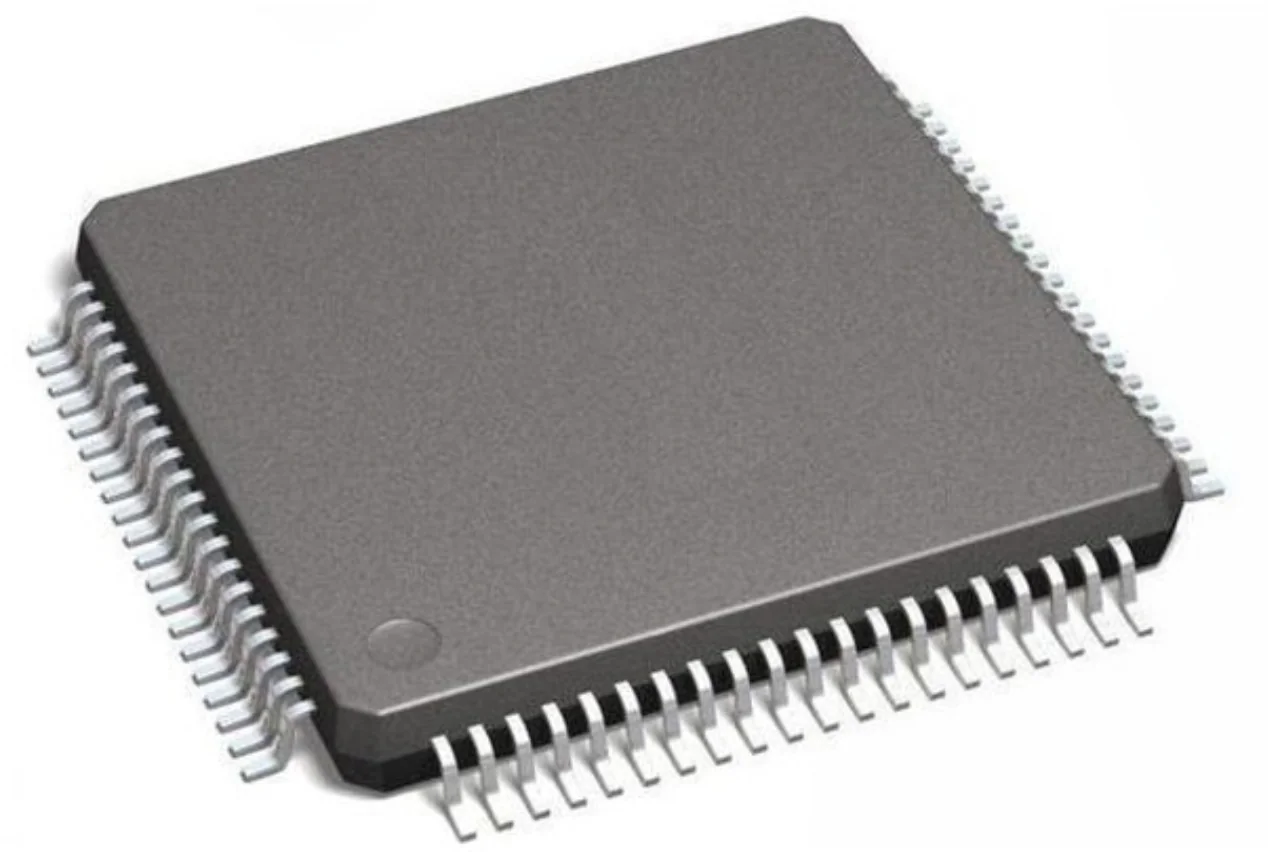
The 23LCV1024-I/SN illustrates this category with a 1-Mbit SRAM architecture, SPI/Dual interface, and 8-SOIC package. Its specifications show how memory capacity, serial communication, and physical packaging come together in a single component. In a connected design, those attributes need to be considered alongside the host controller’s interface capabilities and the application’s data-transfer requirements.
Another consideration is software interaction. Firmware must understand the memory command structure, addressing method, timing behavior, and access limitations. Microchip technology authorized distributors can be useful sources of component information, while the development team still needs to confirm that the device fits the intended hardware and firmware architecture.
Power Efficiency And Data Availability
Battery-powered and energy-conscious devices place greater emphasis on power behavior. Memory can contribute to both active consumption and standby demand, so the system’s operating pattern matters as much as the nominal power specification. A device that wakes periodically may have different priorities from equipment that remains active continuously.
Power management also interacts with data integrity. If a connected device frequently enters low-power states, the system must distinguish between information that can be discarded and information that needs to remain available after wake-up. Volatile and nonvolatile memory can consequently serve complementary roles rather than competing directly.
For microchip distributors, understanding the application context can make component discussions more useful. A low-power sensor node, for example, may prioritize sleep characteristics and rapid wake-up, whereas an edge gateway could place greater emphasis on throughput and sustained operation. The same memory category can behave very differently in these two scenarios because system-level demands are not identical.
Memory And Connected Device Architecture
Modern smart products rarely operate as isolated boards. Sensors, processors, wireless modules, displays, and external storage often exchange information continuously. Memory sits within this flow, acting as temporary workspace, buffering information between subsystems, or holding data needed during device operation.
Communication timing can influence memory requirements as well. A wireless connection may deliver information in bursts rather than at a constant rate, creating temporary differences between incoming data and processor activity. Adequate buffering can help the system handle those variations without forcing every subsystem to operate at exactly the same speed.
Microchip technology authorized distributors can form part of a broader component ecosystem when designs combine several semiconductor functions. From a technical perspective, however, memory should still be evaluated according to its own role: how quickly information must be accessed, how much data is involved, what interface is available, and what happens to that information during resets or power interruptions.
Conclusion
Smart devices depend on memory in ways that are easy to overlook because its contribution often happens behind the scenes. Temporary processing, communication buffering, configuration handling, and system responsiveness can all depend on selecting an architecture that matches the device’s actual behavior.
Microchip technology authorized distributors and microchip distributors can each have a place within the wider sourcing landscape, yet technical fit remains the foundation of a sound decision. At Mayhwa, we look at memory through the lens of the complete embedded system, considering how interface design, power patterns, firmware demands, and product lifecycle expectations come together as connected electronics continue to evolve.