Memory components can remain inside an electronic product for years, which makes their selection closely connected to software behavior, board architecture, manufacturing plans, and future availability. A device that performs well during initial development may create difficulties later if its interface, package, capacity, or sourcing route no longer fits the product roadmap.
Working with microchip authorized distributors is one part of that equation, but a broader evaluation should also consider how memory technology interacts with the system over time. At Mayhwa, we approach these decisions by looking beyond immediate stock and examining the technical and commercial factors that can influence a memory component throughout its useful life.
Memory Architecture And Application Requirements
The first distinction to make is between memory technologies and their intended roles. SRAM provides fast access without the programming behavior associated with nonvolatile storage, while EEPROM and Flash address different requirements for retaining information after power loss. Interface choices also matter because parallel and serial memories place different demands on board routing, processor resources, and firmware.
Capacity should be considered in relation to actual data structures rather than treated as an isolated number. A controller storing temporary calculations may need a different memory architecture from equipment that records configuration parameters, calibration values, or event logs. Microchip distributors can provide access to multiple memory categories, yet the technical decision still begins with understanding what information the system must retain and how frequently it will be accessed.
Data access patterns deserve equal attention. Frequent read and write operations, burst transfers, startup loading, and real-time processing can affect the practical suitability of a memory device. Once these patterns are mapped out, teams can compare interface speed, organization, density, and power behavior with much greater clarity.
Interface Compatibility And Board Design
Serial interfaces can help reduce pin usage, an advantage in compact embedded hardware where processor pins are already assigned to sensors, communications, and control functions. SPI-based memories, for example, can exchange data through a relatively small number of signal lines while offering straightforward integration with many microcontrollers.
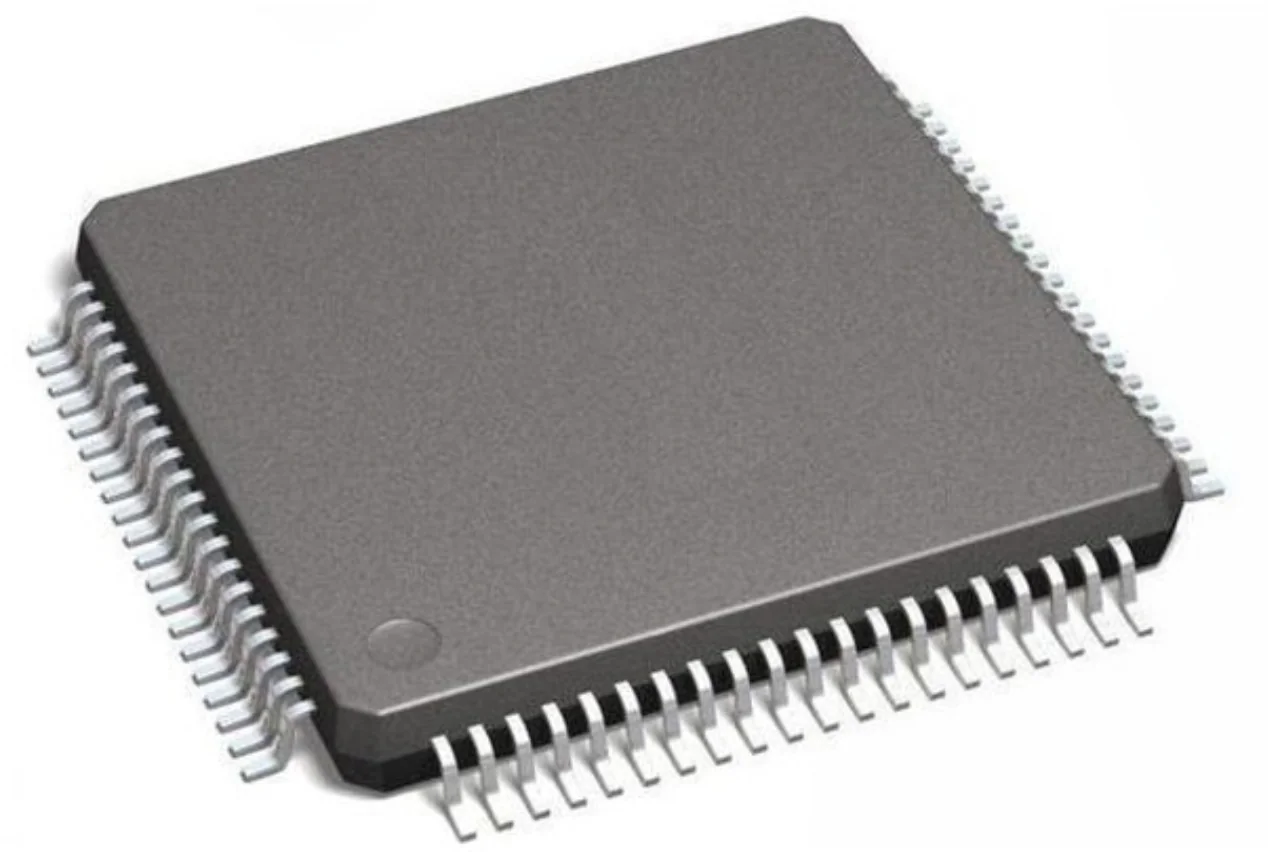
The 23LC1024-I/ST provides a useful example: it is a 1-Mbit SRAM using an SPI/Quad interface and an 8-TSSOP package. These characteristics illustrate how memory density, communication mode, and physical packaging intersect. A design using this type of memory must consider the host controller’s interface capabilities as well as board routing and software implementation.
Compatibility extends beyond pin assignments. Clock behavior, command structure, addressing, operating voltage, package dimensions, and timing specifications all influence integration. Microchip authorized distributors can be useful sources for device information, but a successful design still depends on matching those parameters with the surrounding hardware and firmware.
Lifecycle Planning Beyond Inventory
Long-term supply is not simply a question of whether a component exists in stock today. Production forecasts, product generations, market demand, manufacturer lifecycle notices, and changes in the broader semiconductor ecosystem can all influence future availability. A component that supports a prototype comfortably may require a different supply strategy once annual production increases.
Lifecycle planning also benefits from maintaining accurate internal records. Part numbers, package variants, approved alternatives, firmware dependencies, and revision histories should remain connected to the design documentation. Such organization makes future engineering changes easier to evaluate without forcing teams to reconstruct old decisions from scattered information.
The role of Microchip distributors can also change as a product moves through development. Early-stage projects may need flexible quantities and rapid sampling, whereas mature production may place greater emphasis on recurring allocation, logistics coordination, and consistent documentation. Recognizing these changing priorities can make sourcing decisions more adaptable.
Quality, Traceability, And Storage Conditions
Memory devices are sensitive electronic components, and their condition can be affected by handling, storage, packaging, and environmental exposure. Moisture sensitivity, packaging integrity, date information, and storage practices can become relevant considerations, particularly when components remain in inventory for extended periods.
Traceability provides another layer of useful information. Clear records can help connect incoming material with purchase information, inspection results, and production batches. This becomes particularly valuable if a manufacturing issue appears months after components entered inventory and the source of a particular lot needs to be identified.
At Mayhwa, we treat traceability as part of the practical picture surrounding electronic component sourcing. Microchip authorized distributors may represent one sourcing route, while independent channels can serve different availability requirements. The important distinction is understanding what documentation and quality information accompany each route rather than assuming that channel type alone determines suitability.
Conclusion
A memory component can influence far more than the amount of data an embedded system can store. Interface architecture, access behavior, package constraints, lifecycle expectations, traceability, and future design changes all become part of the decision once a product is expected to remain in production for years.
Microchip authorized distributors and Microchip distributors can each occupy useful positions within that ecosystem, depending on the application’s needs and sourcing strategy. At Mayhwa, we focus on the relationship between technical requirements and long-range supply considerations, because a sound memory decision should make sense not only on today’s schematic but also within the product’s broader journey.