Blog
Microchip Memory Products for Connected and Smart Devices
Connected devices have changed the role of memory inside embedded hardware. A smart sensor, industrial gateway, wearable controller, or networked appliance may need to hold

Connected devices have changed the role of memory inside embedded hardware. A smart sensor, industrial gateway, wearable controller, or networked appliance may need to hold

Memory components can remain inside an electronic product for years, which makes their selection closely connected to software behavior, board architecture, manufacturing plans, and future
Modern industrial electronics rarely depend on a single type of integrated circuit. A motor controller, monitoring instrument, robotic platform, or factory sensor may combine signal

Industrial systems increasingly rely on precise data rather than raw computing power alone. Sensors, control modules, motor drives, and edge processors must interpret physical conditions
Electronic component sourcing has become less about finding a part number and more about understanding how different distribution channels affect availability, traceability, technical support, and
Analog circuitry remains essential even as digital systems become more sophisticated. Power monitoring, voltage references, sensing, signal conditioning, and data conversion all depend on devices
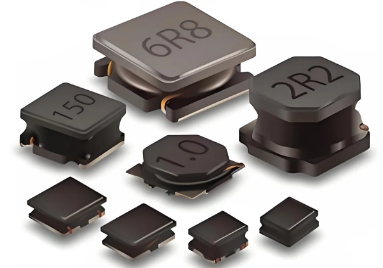
AI hardware is pushing electronic systems toward higher current densities, faster signal transitions, tighter board layouts, and more demanding thermal conditions. These changes affect not
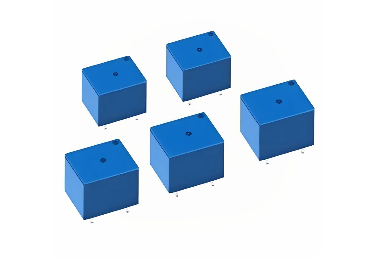
Electronic component sourcing becomes considerably more complicated once reliability, production continuity, and technical compatibility enter the picture. A part that looks suitable in a catalog
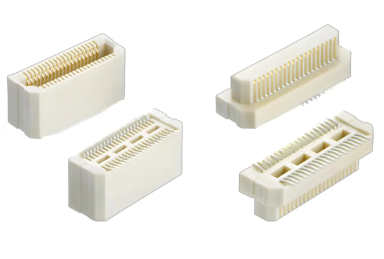
Memory-intensive electronics are changing more than processor specifications; they are also reshaping the supporting hardware around modern computing platforms. As data volumes grow, circuit designers
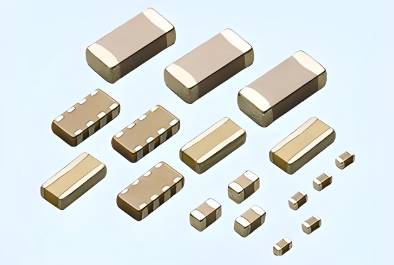
Artificial intelligence hardware places unusual demands on electronics manufacturing. Dense computing architectures, high-speed interfaces, thermal constraints, and increasingly compact circuit boards all depend on thousands
