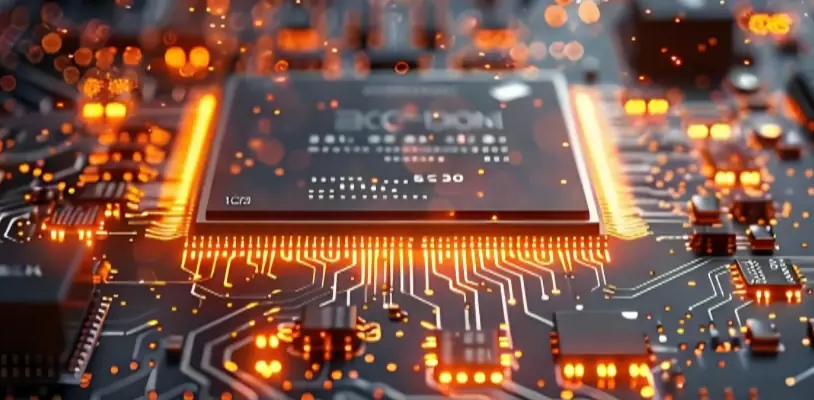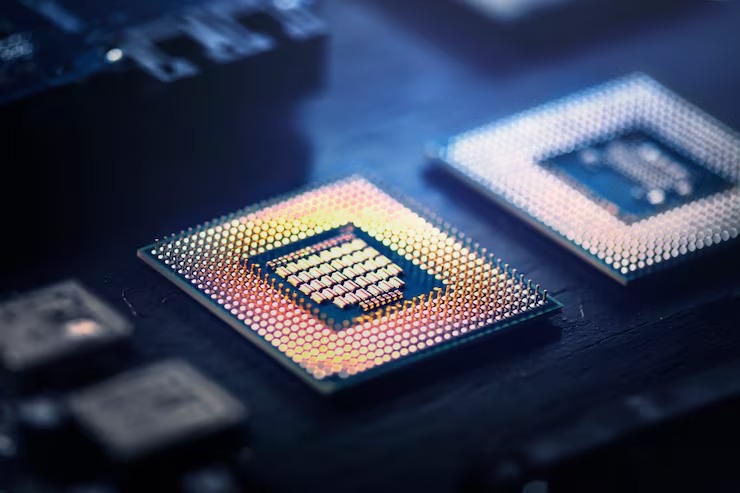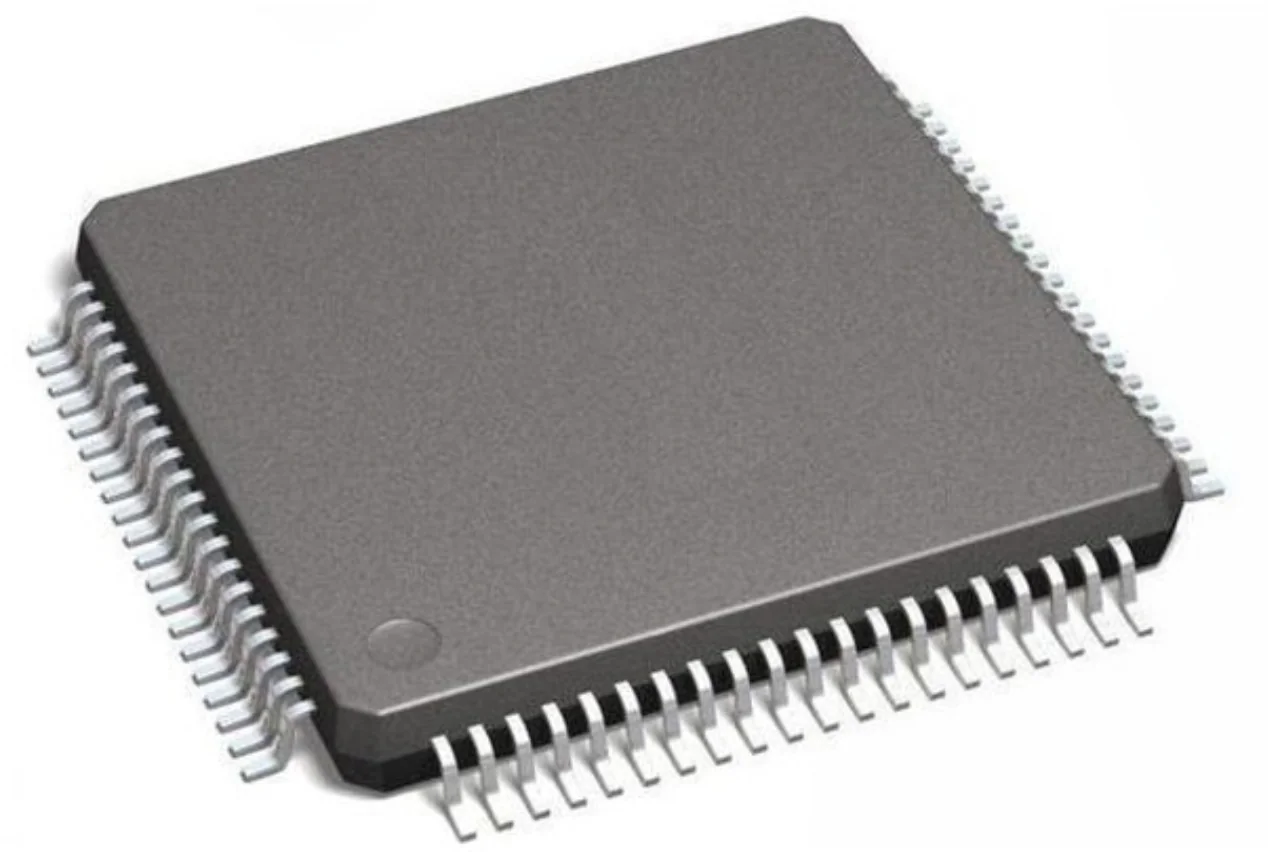
Memory-intensive electronics are changing more than processor specifications; they are also reshaping the supporting hardware around modern computing platforms. As data volumes grow, circuit designers must account for faster interfaces, denser layouts, stable power delivery, and dependable physical connections between boards and modules.
That broader shift gives electronic components sourcing a different character, because demand for one device category can influence requirements across an entire system. At Mayhwa, we see component planning as a connected process in which electrical specifications, manufacturing conditions, and supply considerations need to be viewed together.
Why Memory Growth Affects More Than Memory Chips
Higher memory density can increase the complexity of the surrounding circuit. Faster data transfers require careful signal paths, while larger memory configurations may place additional demands on power distribution and board architecture.
Connectors are particularly important in systems that use removable modules, expansion cards, storage assemblies, or board-to-board interfaces. Their mechanical structure determines how two electrical systems connect and disconnect, while contact geometry and materials influence electrical behavior during repeated use.
The physical layout deserves equal attention. As more functionality is placed into limited board space, connector height, pitch, mating direction, retention method, and available routing area can affect the architecture of the assembly. A seemingly minor interface decision may consequently influence enclosure dimensions and serviceability.
Connectors In High-Density Memory Systems
A connector creates a separable electrical interface, but its role extends beyond simply joining two circuits. Mechanical stability, contact resistance, insertion force, vibration tolerance, and mating-cycle characteristics all contribute to the suitability of an interface for a particular application.
Memory-related equipment may use connectors between processing boards, storage units, backplanes, or peripheral modules. High-speed signals introduce additional concerns because impedance, crosstalk, insertion loss, and return paths can affect communication quality. Connector selection must consequently align with the electrical characteristics of the interface rather than relying only on physical compatibility.
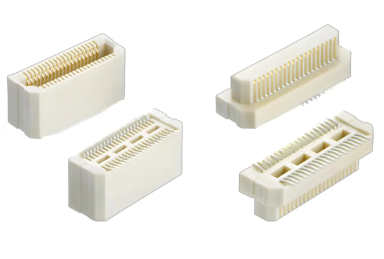
One practical example from our component portfolio is a connector designed as an electromechanical interface between separate systems. At Mayhwa, we evaluate such components in relation to their intended assembly, considering the physical connection concept alongside the broader electronic architecture instead of treating the connector as an isolated mechanical item.
How Demand Changes Supply Planning
Memory expansion can create secondary demand for supporting components. More modules may require additional connectors, power-management devices, filtering components, protection circuits, and related hardware. Even if these parts are not directly associated with data storage, their consumption can rise as system configurations become more sophisticated.
An electronic components distributor can provide useful visibility across several component categories, particularly when a project contains many different part numbers. Inventory information, manufacturer data, package details, and alternative references can help teams understand how changes in system architecture may affect the wider component mix.
Demand forecasting also becomes more nuanced during periods of rapid technology adoption. Historical consumption may not accurately represent future requirements if a new memory architecture changes board design or if customers begin requesting higher-capacity configurations. Supply planning benefits from looking at the relationships between components rather than forecasting each item independently.
Technical Factors Behind Connector Selection
Electrical performance becomes increasingly significant as data rates rise. A connector intended for a low-speed control circuit may not behave suitably in a high-frequency data path, even if its physical dimensions appear compatible. Signal integrity analysis can reveal issues that are invisible during a simple mechanical inspection.
Mechanical requirements vary just as widely. Equipment exposed to vibration may require stronger retention, while frequently serviced systems can place greater emphasis on mating durability. Temperature, humidity, contamination, and enclosure design also influence the appropriate connector construction.
The electronic components sourcing process can incorporate these engineering considerations before a component becomes embedded in a production design. Instead of evaluating availability alone, teams can assess electrical ratings, mechanical characteristics, environmental conditions, documentation, and manufacturing requirements as one decision set.
Building Flexibility Into Component Strategies
Component flexibility matters because memory architectures and computing platforms can evolve faster than the surrounding product lifecycle. A board may initially support one configuration and later require additional modules, different connector arrangements, or revised power circuitry.
Maintaining several technically suitable options can provide greater adaptability, although substitutions should never be treated as interchangeable merely because their basic descriptions look similar. Pin configuration, dimensions, electrical characteristics, mating specifications, and qualification requirements may differ substantially.
Our role at Mayhwa includes helping teams organize information around these differences. An electronic components distributor can become a useful resource when technical documentation, manufacturer references, stock conditions, and alternative component information need to be considered together during a changing development cycle.
Conclusion
Growing memory demand has a ripple effect that reaches well beyond storage capacity. Board density, signal integrity, mechanical interfaces, power requirements, and component availability can all shift as computing systems become more capable. A thoughtful electronic components sourcing strategy recognizes those connections instead of viewing each part number as a separate issue. We at Mayhwa take that broader perspective in our work, helping component information remain connected to the practical realities of modern electronics development and manufacturing.