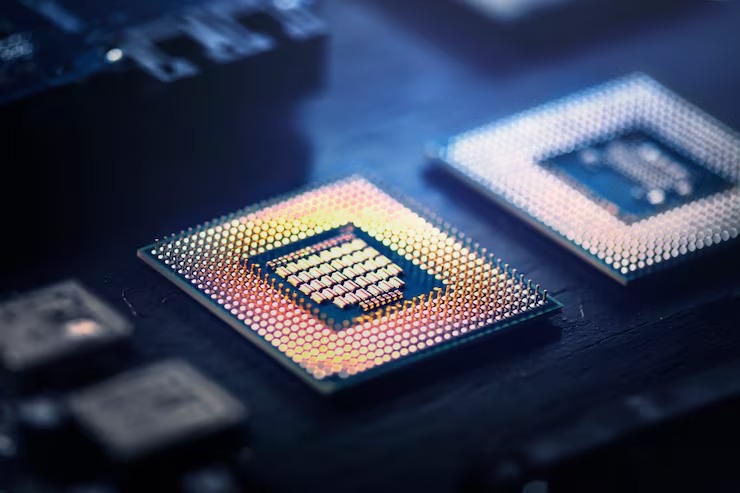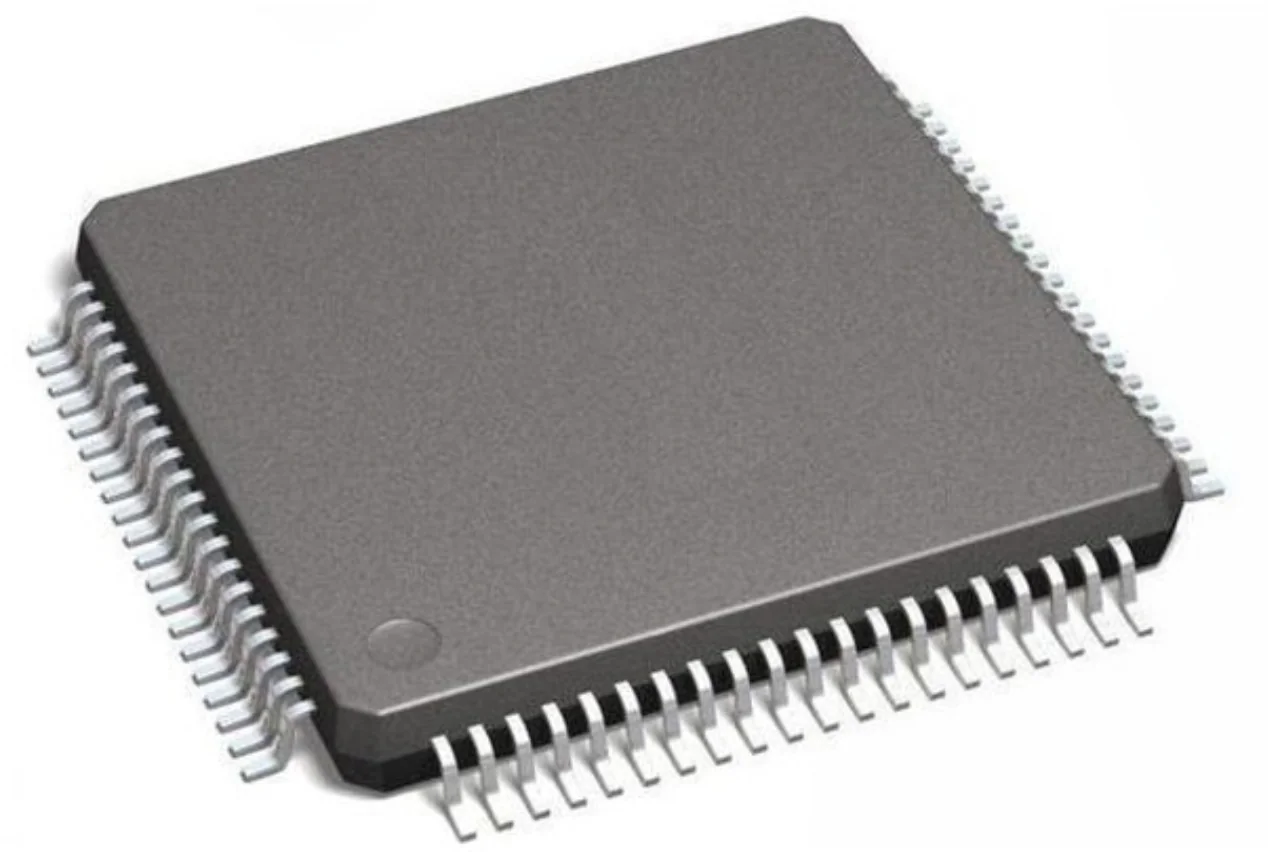
Electronic component sourcing becomes considerably more complicated once reliability, production continuity, and technical compatibility enter the picture. A part that looks suitable in a catalog may differ in package details, electrical behavior, lifecycle status, or manufacturing consistency from what the application actually requires.
Good supply practices are consequently built around information quality as much as availability. At Mayhwa, we approach component supply from that broader perspective, combining technical details with practical supply considerations so that each decision has a clearer foundation.
Map The Risks Before They Become Problems
Sourcing risk does not come from a single source. Counterfeit parts, unclear specifications, unexpected substitutions, changing availability, and inconsistent documentation can all create difficulties at different stages of a project.
Risk levels also vary according to the component itself. A basic passive device may have many compatible alternatives, whereas a specialized semiconductor with a particular package or electrical characteristic may be harder to replace. Understanding that difference helps teams decide which components deserve closer attention.
Project timing introduces another variable. A part with limited availability can affect assembly schedules even if its unit price is attractive. Conversely, keeping excessive quantities of every component can tie up working capital and create exposure to inventory becoming outdated.
Evaluate Suppliers Through More Than Price
Price is easy to compare, but it reveals relatively little about the quality of a supply relationship. Documentation, traceability, communication, inventory accuracy, and responsiveness can have a much greater effect on the practical outcome of a component program.
A reliable electronic components supplier should be able to provide clear information about manufacturer references, packaging, specifications, and available quantities. Consistent documentation also makes it easier to distinguish an approved component from a visually similar alternative.
Supplier diversification can provide another layer of resilience. Depending entirely on one channel may create difficulties if inventory changes suddenly or a manufacturer adjusts its distribution strategy. Multiple qualified channels can give teams more options without requiring uncontrolled substitutions.
Pay Attention To Component Authenticity
Authenticity deserves particular attention in markets where popular components circulate through many trading channels. Markings, packaging, date codes, labels, and documentation can provide useful clues, although no single visual characteristic should be treated as sufficient evidence.
Incoming inspection offers another practical safeguard. Depending on the component category and application, inspection may involve visual examination, dimensional checks, electrical testing, solderability evaluation, or other verification methods. The appropriate approach should reflect the technical and commercial risk of the part.
At Mayhwa, we work with component information that includes manufacturer references, packaging details, and sourcing records, while quality procedures can incorporate visual and technical checks appropriate to the component. This matters because supply-chain confidence depends on more than receiving a package that appears correct from the outside.
Understand How Relays Fit Into Circuit Design
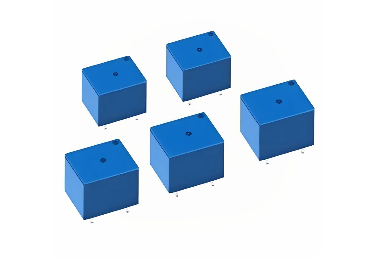
Relays illustrate why technical compatibility deserves attention during sourcing. As electromagnetic switching devices, they use an energized coil to actuate contacts, allowing one circuit to control another while maintaining electrical separation between the control and switched sides.
Several parameters influence relay selection. Coil voltage, contact configuration, switching current, insulation characteristics, operating temperature, dimensions, and expected switching frequency can all affect suitability. A replacement with the same general relay category may still behave differently if one of these parameters changes.
Mechanical considerations should not be overlooked either. Board footprint, terminal arrangement, mounting method, and enclosure clearance can determine whether a component fits the intended assembly. Electrical compatibility and physical compatibility need to be considered together rather than treated as separate afterthoughts.
Build A More Flexible Supply Strategy
Supply planning becomes stronger when critical components have documented alternatives and clearly defined requirements. An alternative should be evaluated against the actual electrical, mechanical, environmental, and regulatory characteristics of the original part rather than selected solely because the description looks similar.
An electronic components distributor can support this process by consolidating information across different component categories and sourcing channels. Inventory visibility, manufacturer data, package information, and alternative references can help teams respond more deliberately to changes in demand or availability.
Forecasting can also benefit from separating critical and non-critical components. High-risk items may deserve earlier planning and closer monitoring, while widely available standard parts can follow a simpler replenishment approach. At Mayhwa, we use this kind of differentiated thinking when supporting component requirements, allowing supply decisions to reflect the actual importance of each part within the system.
Conclusion
Sourcing risk is rarely solved by one inspection step or one supplier decision. Better results come from connecting technical specifications, authenticity checks, documentation, supplier diversity, inventory planning, and application requirements into a coherent process. An electronic components supplier should be evaluated according to the quality of information and support surrounding the component, not merely its quoted price.
The role of an electronic components distributor can likewise extend across sourcing visibility and technical coordination. At Mayhwa, we focus on that wider picture so component decisions remain practical as projects move from development into sustained production.