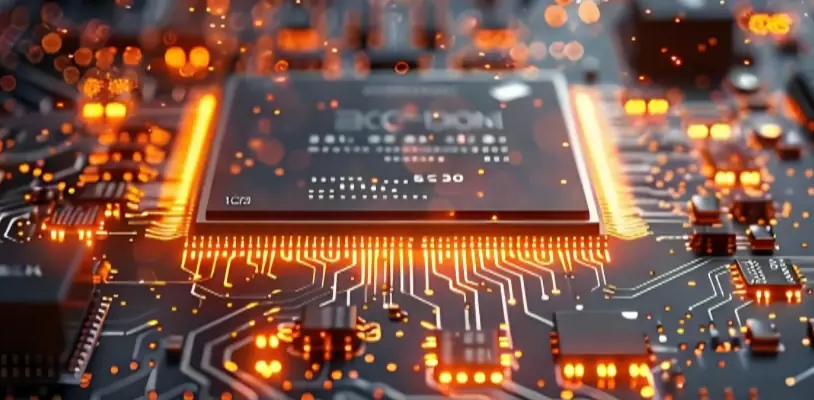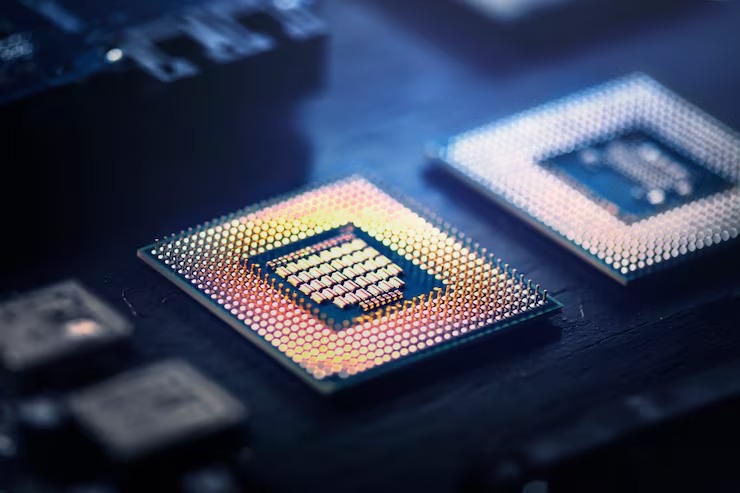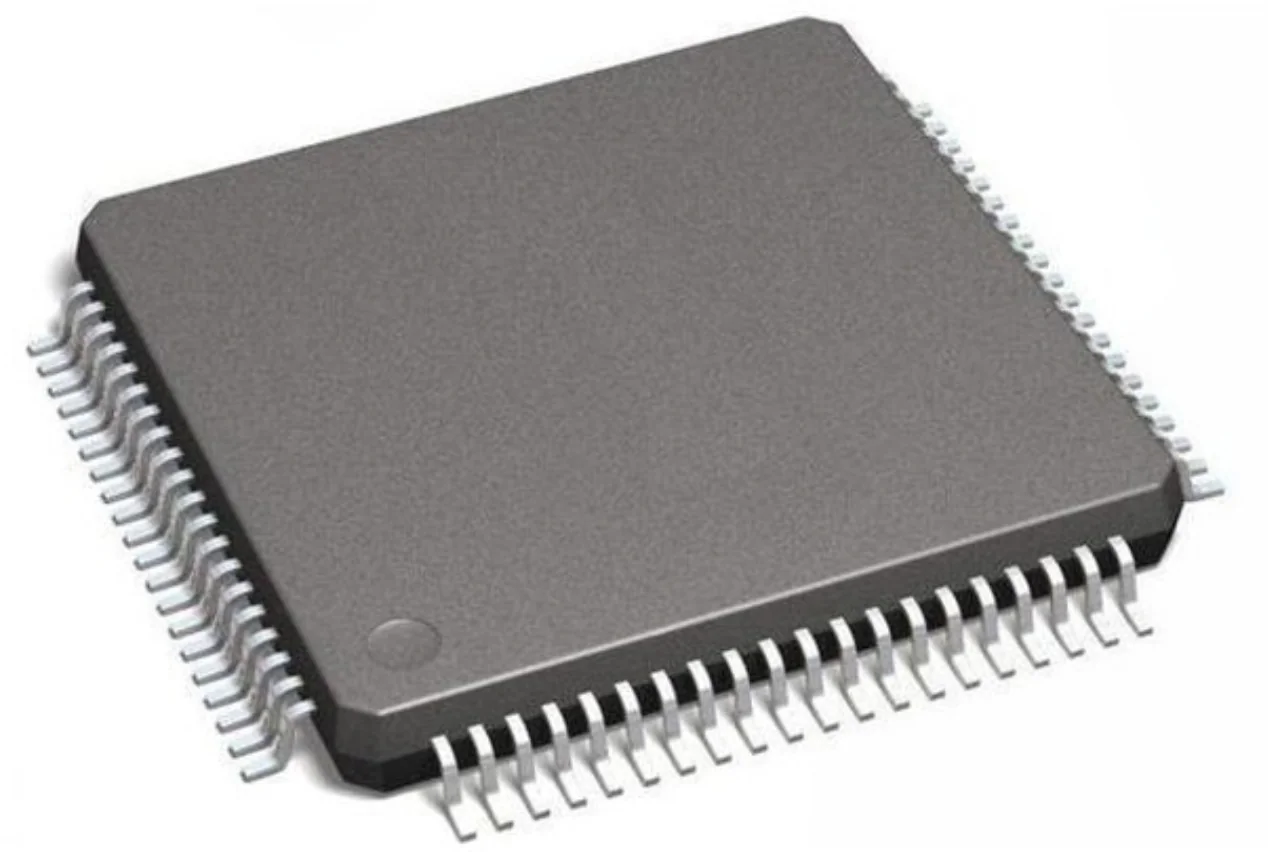
Modern embedded systems rarely depend on one function alone. A compact controller may coordinate memory, timing, sensing, communication, power management, and user interfaces within the same product, making component selection a matter of system-level balance rather than isolated specifications. Buyers working with TI authorized distributors can benefit from examining how individual devices fit into the broader circuit architecture. At Mayhwa, we approach these sourcing decisions by considering the electrical role of each component together with its package, availability, and intended application.
Understanding Logic Functions In Embedded Designs
Digital logic remains fundamental to embedded hardware, even as processors become more capable. Simple logic devices can handle signal routing, state control, timing relationships, and interface coordination without requiring additional software resources. Their predictable hardware behavior can be particularly useful in circuits where certain operations must occur independently of the main processor.
Flip-flops provide a straightforward example. These devices can store binary states and respond to clock signals, making them useful for sequential logic, temporary state retention, synchronization, and control circuits. A design may use several such functions around a microcontroller to coordinate external signals without placing every small operation inside firmware.
The distinction between combinational and sequential logic is also worth understanding. Combinational circuits respond primarily to their current inputs, while sequential circuits retain information about previous states. Recognizing this difference helps designers determine whether a particular logic function should be implemented through gates, latches, flip-flops, or software.
From a sourcing perspective, texas instruments distributors can be useful when teams need to compare logic families, package configurations, electrical characteristics, and availability across several possible references.
Assessing Timing, Switching, And Signal Integrity
Timing behavior becomes increasingly important as embedded systems exchange information among multiple devices. Clocked circuits must respond within defined intervals, while asynchronous signals may require synchronization before entering a different timing domain. Poor timing relationships can create intermittent faults that are difficult to reproduce during testing.
Switching characteristics deserve attention as well. Propagation delay, setup time, hold time, output drive capability, and input thresholds all influence how a logic component behaves within a real circuit. A device that appears suitable based solely on its functional description may still require closer examination of these parameters.
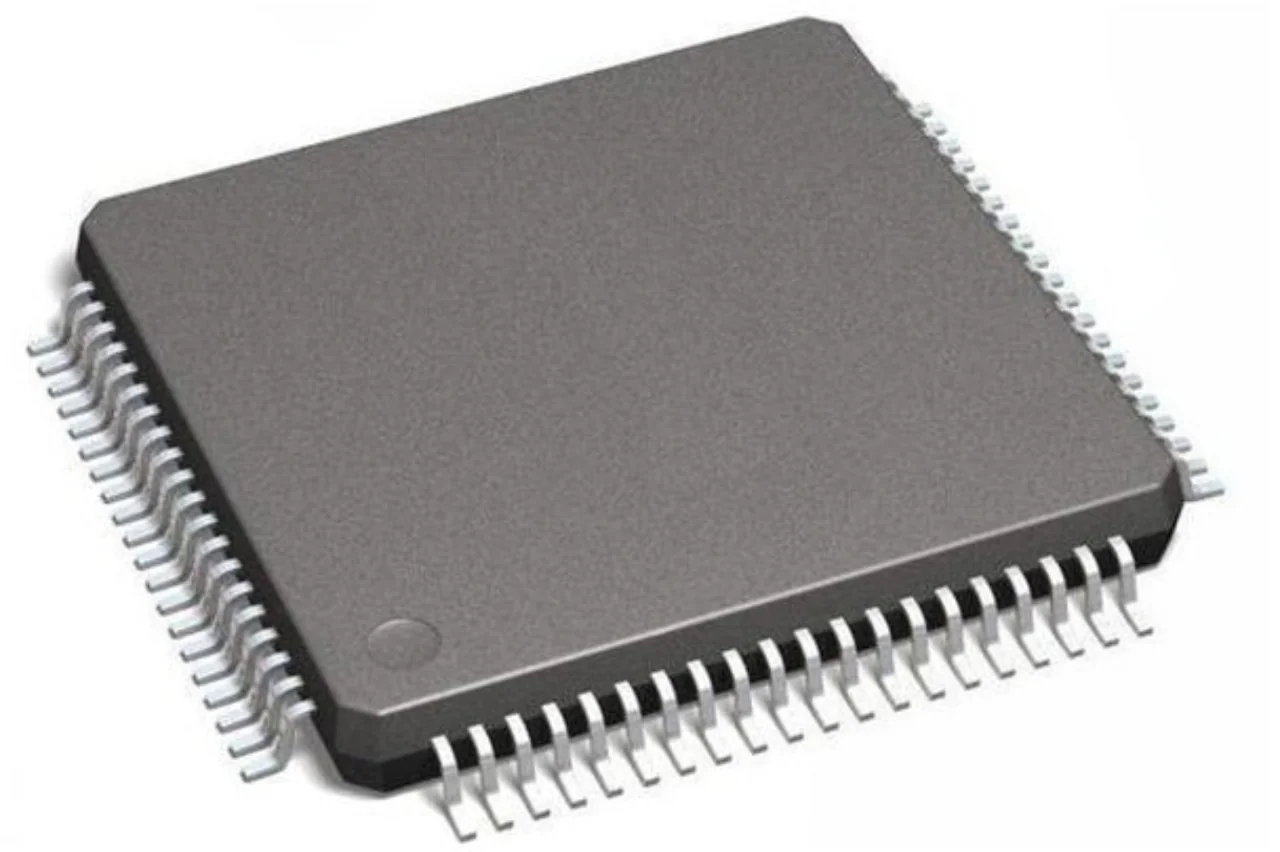
The package can influence practical implementation too. A through-hole package may suit laboratory prototypes, educational equipment, or certain industrial assemblies, whereas compact surface-mount formats are often favored where PCB space is limited. Thermal conditions, assembly methods, socket requirements, and service considerations should all be evaluated before finalizing the hardware.
One available component illustrates the importance of checking the exact reference: 74ACT11074N is a TI device supplied in a 14-PDIP package and described as a dual-element, 1-bit D-type flip-flop. Its current stock status is available. Such model-level information gives purchasing teams a more precise basis for matching a logic function with the intended board design.
Matching Components With Application Requirements
Embedded hardware varies considerably across industrial controls, instrumentation, automation, consumer equipment, and communications products. A logic device used in a compact controller may have different requirements from one placed inside a larger control cabinet. Voltage levels, switching frequency, environmental conditions, and interface standards can all affect the selection process.
Operating temperature is another practical consideration. Equipment installed near motors, power converters, or outdoor machinery may encounter considerably different conditions from office-based electronics. Designers should review the specified operating range alongside electrical parameters rather than treating environmental performance as an afterthought.
Reliability also depends on how individual components interact with the surrounding circuit. Noise margins, grounding, decoupling, PCB routing, and signal transitions can influence system behavior. Even a technically suitable logic device may perform poorly if the surrounding design creates excessive noise or unstable voltage conditions.
During sourcing, TI authorized distributors can serve as one channel for obtaining manufacturer-specific component information. We still recommend comparing the exact ordering reference, package, specifications, and application requirements before a purchasing decision is made.
Reviewing Procurement And Technical Information
Component sourcing involves more than locating a matching description in a catalog. Exact part numbers should be checked against manufacturer details, package type, electrical specifications, and stock information. This step becomes particularly important when several devices share similar functional descriptions but differ in package or operating characteristics.
Documentation provides another useful layer of verification. Datasheets explain electrical limits and timing parameters, while application materials can offer additional context about circuit implementation. Purchasing and technical teams can work more efficiently when both sides reference the same ordering information and specifications.
Availability should also be considered alongside design suitability. A component that fits the circuit today may require a different procurement strategy if demand increases or inventory changes. Maintaining visibility into compatible references can give teams more flexibility during production planning without forcing unnecessary changes to the original circuit.
At Mayhwa, we review component requests with both technical and commercial details in mind. Our sourcing work focuses on the exact reference supplied by the customer, while availability and manufacturer information are checked as part of the same process. This practical approach helps keep purchasing discussions connected to the actual circuit requirements.
Conclusion
The value of Texas Instruments components in embedded systems extends beyond individual functions. Logic devices, switching elements, timing circuits, and interface components each occupy a specific place within a larger architecture, and their suitability depends on electrical behavior, package constraints, environmental conditions, and system requirements. texas instruments distributors can provide useful sourcing channels, but careful part-number and specification checks remain essential before procurement. We at Mayhwa keep those details in view when handling component sourcing, so technical requirements and purchasing considerations can be evaluated together rather than separately.