A reliable component can influence far more than a single position on a circuit board. For purchasing teams, differences in availability, specifications, quality documentation, and supplier responsiveness can affect development schedules and manufacturing decisions. What looks like a small difference in component sourcing can eventually determine whether a product reaches the market on time or gets held up by avoidable delays.
Selecting an electronic components distributor therefore requires a broader assessment than comparing quotations. At Mayhwa, we work with businesses that need practical sourcing support, combining access to global suppliers with inventory resources in Shenzhen and Hong Kong.
Understand The Role Of Each Component
A distributor for electronic components should be able to provide information that corresponds to the exact part being requested. Package type, electrical characteristics, operating conditions, manufacturer, and lifecycle information can all affect whether a component fits a particular design. Procurement becomes much more effective once these requirements are clearly defined before supplier comparison begins.
Buyers should also assess whether a distributor can support the project beyond the initial quotation. Sourcing reach, inventory visibility, responsiveness, and documentation quality all influence how well a supplier fits the procurement workflow. The strongest relationships are built not on price alone, but on the ability to deliver accurate parts with the right technical and commercial support.
Examine Product Information Carefully
Two components can perform broadly similar functions while remaining unsuitable substitutes. Differences in voltage ratings, current characteristics, package dimensions, temperature ranges, frequency performance, or mounting methods may affect board-level compatibility. Buyers should therefore compare manufacturer part numbers and technical documentation rather than relying on descriptions such as “standard diode” or “general-purpose IC.”
For purchasing departments, an electronic components distributor should make technical verification practical. Clear product information can help engineers and buyers confirm whether the offered component corresponds to the BOM requirement. If a substitute is proposed, its specifications should be reviewed separately instead of assuming functional similarity means interchangeability.
Documentation also matters beyond the initial quotation. Origin information, inspection records, certificates, and test reports may become relevant for projects that require traceability or internal quality review. A procurement process built around documented information gives different teams a shared reference when evaluating a component.
Evaluate Supply Reach And Inventory
Component availability can change for many reasons, including demand fluctuations, production schedules, allocation, and regional inventory differences. A supplier with access to multiple sourcing channels may provide more options when a requested component is not immediately available through a conventional purchasing route. Inventory location can matter as well, particularly for urgent requirements or smaller orders.
The value of a distributor for electronic components is consequently tied to more than the number of products displayed online. Supplier relationships, inventory resources, sourcing speed, and the ability to handle different order quantities can all influence the practical usefulness of a distribution partner.
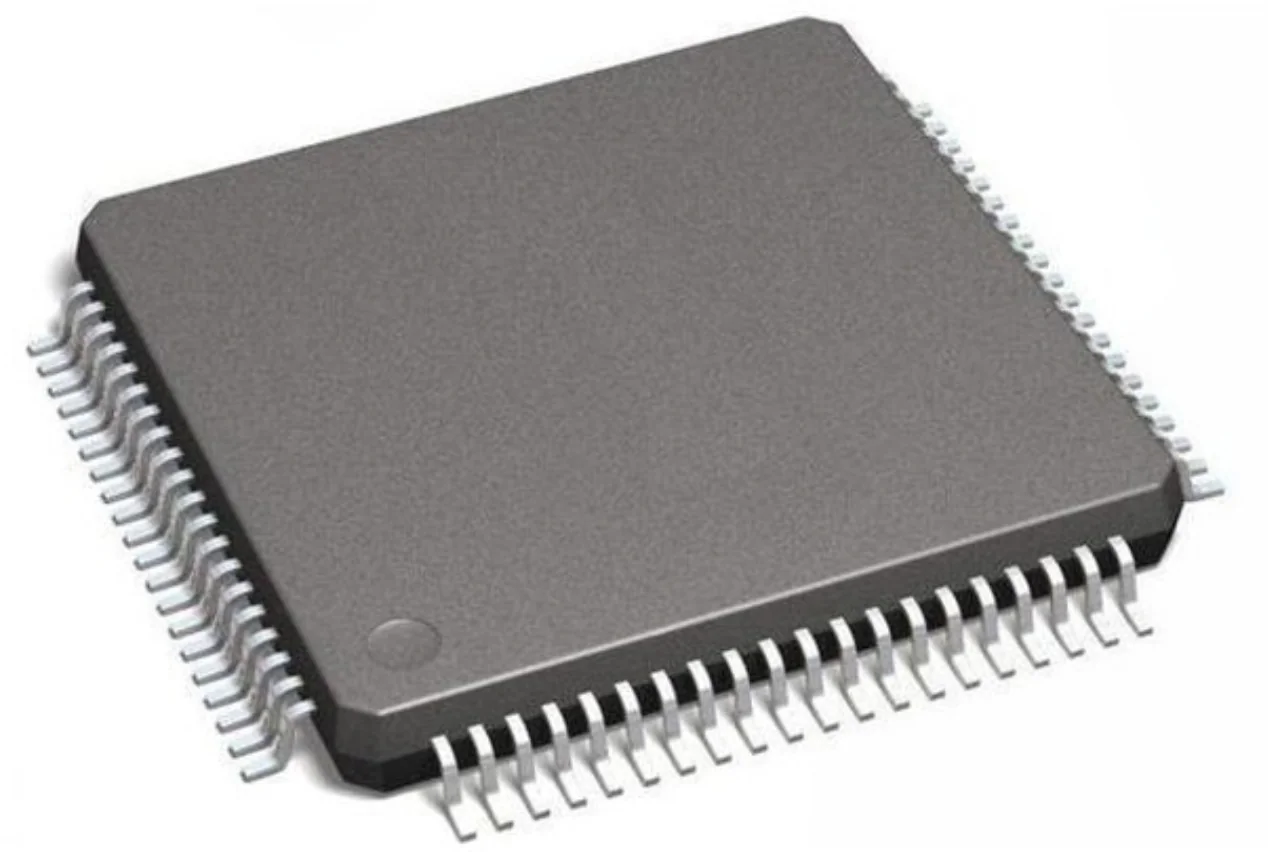
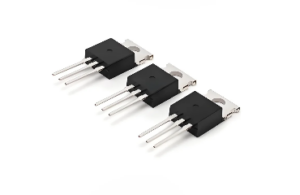
At Mayhwa, our supply-chain services cover component categories such as integrated circuits and diodes, while our customers include businesses working in automotive, medical, and industrial sectors. The combination of sourcing reach and regional inventory allows us to address different procurement scenarios rather than focusing on one type of order.
Review Quality And Traceability
A competitive quotation does not tell buyers whether the physical component has passed appropriate checks. Quality evaluation becomes particularly important when purchasing parts through broader sourcing channels, especially for applications where component authenticity and traceability influence production decisions. Procurement teams should understand how a supplier verifies incoming products and manages storage before shipment.
Our inspection approach at Mayhwa includes visual inspection, origin validation, 200× magnification, solderability testing, X-ray non-destructive testing, ESD-controlled storage, and final inspection. We also state that components are sourced from original manufacturers and authorized distributors, with supporting documentation such as CoC and test reports. These procedures provide additional checkpoints between sourcing and delivery.
A strong quality process should complement, rather than replace, technical review by the buyer. Engineering teams still need to confirm that the component meets the design specification, while procurement personnel can examine documentation, sourcing details, and inspection records. Keeping those responsibilities distinct creates a clearer purchasing workflow.
Conclusion
Good component procurement begins long before an order is placed. Buyers need to understand the function of each part, verify specifications against the intended design, examine supply resources, and consider how quality and traceability are handled. Price remains relevant, but it should sit within a wider evaluation of technical and operational factors. A purchasing decision that treats price as the only consideration often fails to account for the supply conditions that affect production schedules and product quality.
At Mayhwa, we bring together supplier access, regional inventory, and sourcing support to serve businesses across several electronics sectors, giving procurement teams a practical resource when component requirements become more demanding. By combining technical accuracy with supply-chain visibility, we help customers make sourcing decisions that remain practical beyond the initial order.