Most embedded systems need to keep certain pieces of information—like user settings, calibration values, or serial numbers—even when the power goes out. That’s where nonvolatile memory comes in. But when procurement teams start looking at microchip distributors, they quickly realize that picking an EEPROM is about more than just memory size.
The interface, the physical package, the operating environment, the speed of communication, and even supply availability all matter. At Mayhwa, we help our customers align these technical requirements with real-world sourcing options, making the selection process smoother and more reliable.
Memory Roles in Embedded Systems
Different types of memory serve different roles, and the selection depends on what the system needs to do with that data. Microchip’s portfolio includes EEPROM for persistent parameter storage, serial SRAM for temporary working memory, and serial Flash for larger program or data storage. EEPROM is optimized for small, frequently updated persistent data; SRAM provides fast read/write but loses data when power is removed; Flash offers larger capacity at lower cost per bit.
For embedded designers, the relevant question is not which type is “better,” but which one fits the specific function. Configuration parameters suit EEPROM. Data logging or firmware updates point toward serial Flash. Temporary variables are the domain of SRAM. A single board may use two or all three.
When procurement teams evaluate microchip technology authorized distributors, the starting point should be the application’s data requirements—not a generic product category. By identifying the role each memory device needs to play, buyers can focus on the specifications that actually matter. At Mayhwa, we help customers align these technical choices with real-world sourcing options.
Matching Capacity With Real Data Needs
Memory density should reflect the amount and type of information the embedded product actually needs to retain. A controller storing a few configuration bytes has little reason to use a substantially larger memory device, while a system with extensive calibration tables may require additional capacity. Leaving some room for future firmware or data changes can also be considered during the architecture stage.
Another factor is how often the stored information changes. Configuration data might be written only during installation or servicing, whereas counters and adaptive parameters can experience considerably more frequent updates. Understanding the software’s write pattern helps engineers evaluate whether the selected EEPROM’s endurance characteristics fit the intended application.
An microchip distributor can support this evaluation more effectively when component information is presented at the exact part-number level. A broad “serial EEPROM” category does not reveal enough about interface speed, memory organization, package style, or operating conditions to support a final purchasing decision.
A Compact I²C EEPROM Example
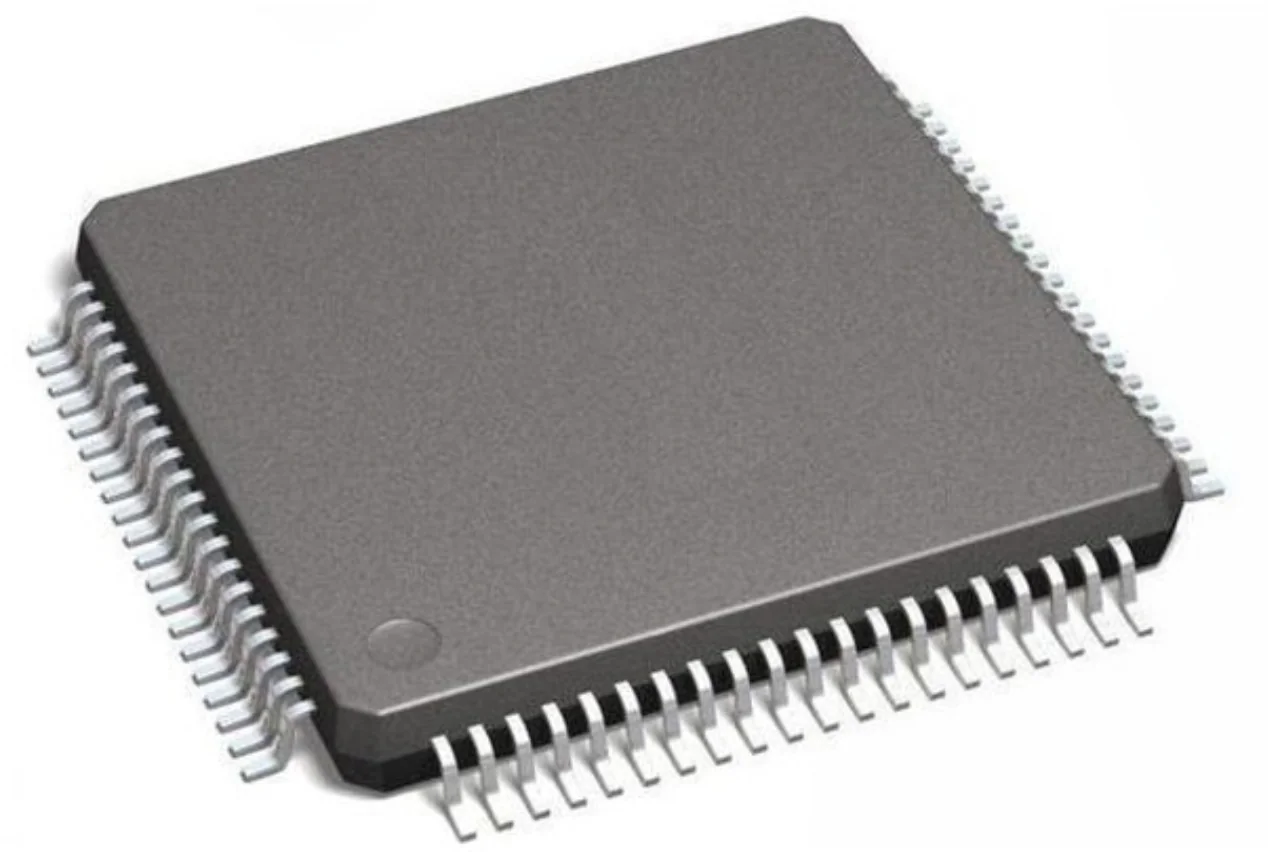
The supplied product information lists 24AA024T-I/MNY as a Microchip device described as a 2-Kbit I²C EEPROM supporting 400 kHz communication in an 8-TDFN package. Microchip’s documentation identifies the 24AA024/24AA025 family as 2-Kbit serial EEPROM devices using a two-wire I²C-compatible interface, with page-write functionality and a 400 kHz maximum clock frequency. The MNY package is a compact 8-lead TDFN option, making package selection relevant when PCB space is constrained. These specifications illustrate why the full ordering code should be checked against the actual board design rather than relying only on memory capacity. (microchip.com)
For buyers working with microchip technology authorized distributors, the manufacturer part number provides a useful anchor for verification. Interface requirements, package dimensions, temperature grade, and electrical specifications can then be compared with the BOM and engineering documentation before procurement proceeds.
What Matters Beyond The Memory Density
Embedded memory operates within a larger electrical environment. Supply voltage must correspond with the host system, while temperature specifications should reflect the conditions in which the finished equipment will operate. Package dimensions and pin configuration can also affect PCB routing and assembly, particularly in compact electronics.
Data retention and endurance deserve separate consideration. Retention addresses how long stored information can remain available without being rewritten, while endurance concerns the number of erase/write cycles the memory can withstand under specified conditions. These characteristics answer different engineering questions and should not be treated as interchangeable.
Businesses evaluating microchip distributors can also look at documentation quality. Clear manufacturer identification, exact ordering codes, package information, stock details, and relevant technical records allow purchasing teams to communicate more precisely with engineering departments and reduce uncertainty during component review.
Creating A Practical Procurement Workflow
A sensible memory purchasing process can begin with the application’s data requirements, followed by interface and electrical checks. Once those conditions are established, procurement teams can verify the exact manufacturer part number, package, stock position, quantity, and available documentation. This order of evaluation keeps technical compatibility at the center of the discussion.
The supplier itself should also be assessed according to how it handles changing requirements. An embedded project may start with a small prototype order before moving toward recurring production. Later, the same design might require different quantities or additional sourcing support, so communication and inventory visibility can become valuable parts of the relationship.
Our team at Mayhwa works with global sourcing resources and regional inventory to accommodate different purchasing situations. We can discuss component requirements using exact manufacturer information while considering availability and quality processes alongside the technical specification.
Conclusion
Embedded memory selection is ultimately a system-level decision rather than a simple capacity comparison. The interface must fit the controller, the package must suit the board, electrical characteristics must match the operating environment, and endurance and retention should reflect the software’s actual data-management pattern.
Beyond technical specifications, companies assessing authorized microchip distributors should also factor in supply availability, documentation, sourcing reach, and quality procedures. At Mayhwa, we bring these considerations together through global supplier access and Shenzhen and Hong Kong inventory, giving customers a practical foundation for evaluating memory components within their broader embedded-system requirements.