Small amounts of nonvolatile memory can play an important role in embedded electronics. Configuration values, calibration parameters, identification data, usage records, and other information may need to remain available after a device loses power.
For buyers comparing microchip distributors, the right memory solution depends not simply on capacity but also on interface, package, voltage range, write endurance, operating temperature, and the way data will be used. At Mayhwa, we work with businesses that need component sourcing support for different electronics applications, with technical details kept central to the purchasing process.

Understanding EEPROM In Embedded Systems
EEPROM is useful when a system needs electrically erasable, nonvolatile storage that can be updated during the product’s operating life. Unlike volatile memory, stored information remains available without continuous power, making EEPROM suitable for parameters that need to survive power cycles. Typical examples include calibration values, device settings, identification information, and usage data.
Microchip’s serial EEPROM portfolio covers several communication methods, including I²C, SPI, Microwire, and single-wire or UNI/O interfaces. Our portfolio also spans different memory densities and package options, allowing designers to match storage capacity and physical constraints with the architecture of the target device.
For procurement teams, microchip authorized distributors should be evaluated according to how accurately they can support these distinctions. A request for “EEPROM” alone leaves several important questions unanswered: How much memory is required? Which interface does the microcontroller support? What voltage does the circuit use? How frequently will the memory be rewritten?
Matching Memory To The Application
Memory capacity is only one part of the selection process. Microchip notes that the amount of memory required is normally estimated during the design stage, and designers may consider additional capacity for future growth. Interface compatibility also matters because the MCU must have a suitable serial interface or software implementation for the selected EEPROM architecture.
The physical design can narrow the options further. A compact wearable, sensor, or embedded controller may have little PCB space available, whereas industrial equipment can place greater emphasis on operating temperature or long-term data retention. Write frequency is another consideration: a parameter that changes once during configuration has very different memory requirements from a value updated repeatedly during operation.
An microchip distributor can therefore provide more useful procurement support when the sourcing discussion starts with application requirements rather than a generic product category. Engineers and buyers can first identify the necessary density, interface, voltage, temperature range, package, and endurance characteristics, then compare available part numbers against those conditions.
A Closer Look At A 1-Kbit Option
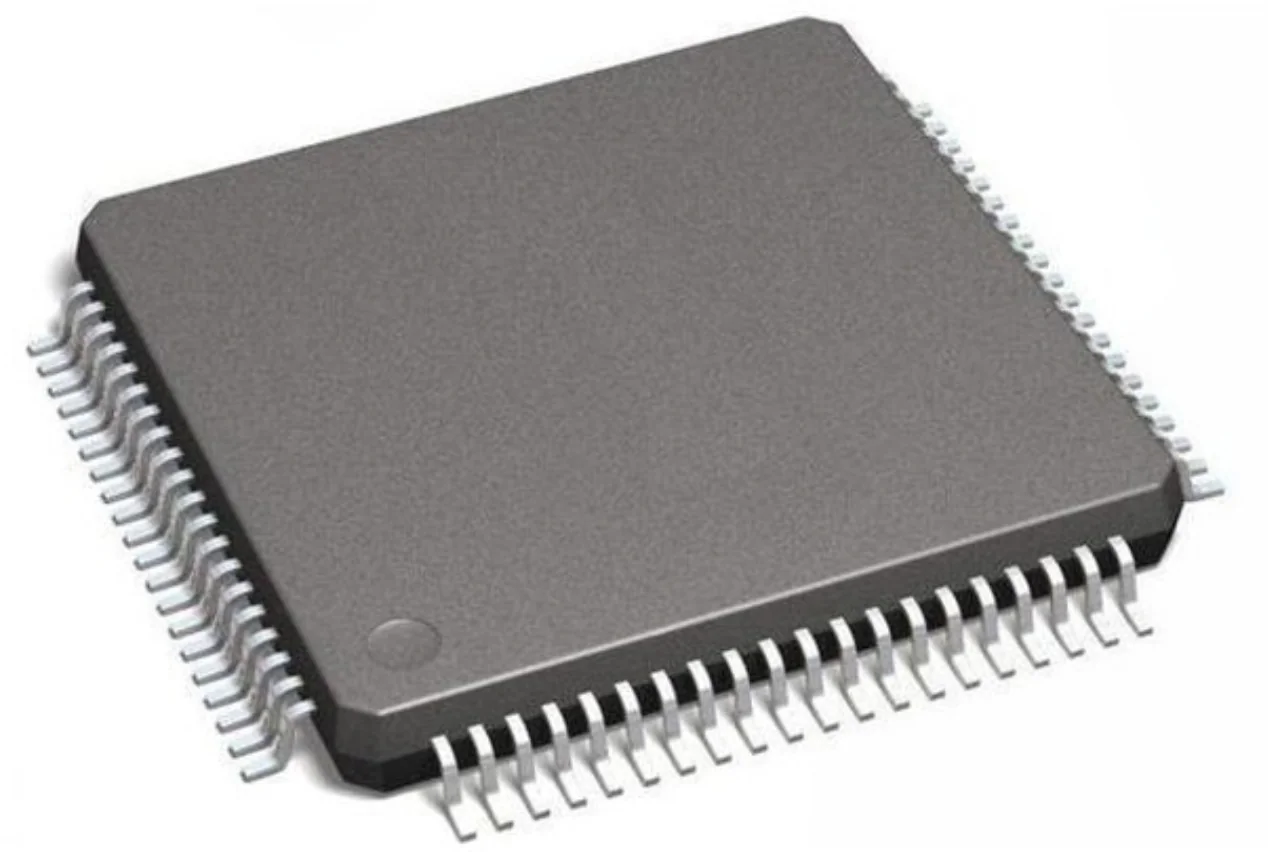
One product in our available sourcing information is 11AA010T-I/TT, manufactured by Microchip and described as a 1-Kbit single-wire EEPROM in a SOT23-3 package, with stock listed as available. Microchip’s official documentation identifies the 11AA010 as a 1-Kbit UNI/O serial EEPROM organized as 128 × 8, with a 1.8V–5.5V operating-voltage range, 16-byte page size, and an industrial temperature range of −40°C to +85°C for the I-grade version. The family supports a single-I/O serial interface and provides up to 100 kHz bit rate, while the SOT-23 option uses the TT package designation.
Those specifications illustrate why the exact suffix matters during procurement. The interface, package, temperature grade, and memory organization all describe characteristics that can affect integration. A buyer should therefore compare the complete ordering code against the BOM and current manufacturer documentation rather than selecting a device based only on its memory density.
Considering Endurance And Data Retention
EEPROM selection also involves understanding how often information will be rewritten. A device storing a fixed calibration value may experience relatively few write operations, while usage counters or changing configuration records could be updated much more frequently. Endurance should therefore be considered alongside the software’s data-management strategy.
Microchip states that its serial EEPROM portfolio includes devices with endurance of up to one million erase/write cycles and data retention of more than 200 years, although the applicable values depend on the specific device and conditions. Its 11AA010 family documentation specifies 1,000,000 erase/write cycles and more than 200 years of data retention.
For businesses working with microchip distributors, this distinction is important because a general portfolio statement should not replace model-level verification. The engineering team should identify the required endurance and retention characteristics first, then confirm that the selected part’s documentation matches those needs.
Conclusion
Microchip memory products can serve many embedded data-storage needs, but selecting the appropriate device requires more than matching a capacity number. Interface architecture, package size, operating voltage, temperature range, endurance, retention, and software requirements all contribute to the decision.
Businesses comparing microchip authorized distributors can also examine sourcing reach, inventory visibility, documentation, and quality processes. At Mayhwa, we combine global supplier access with regional inventory and component sourcing support, giving engineering and purchasing teams a practical basis for evaluating memory requirements as their electronic projects develop.