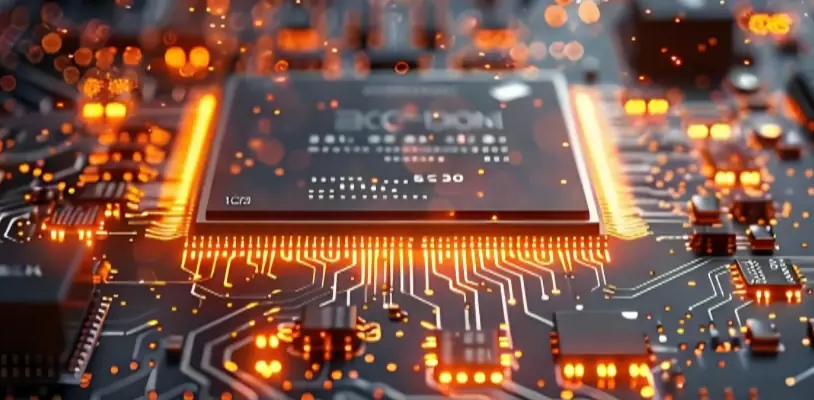
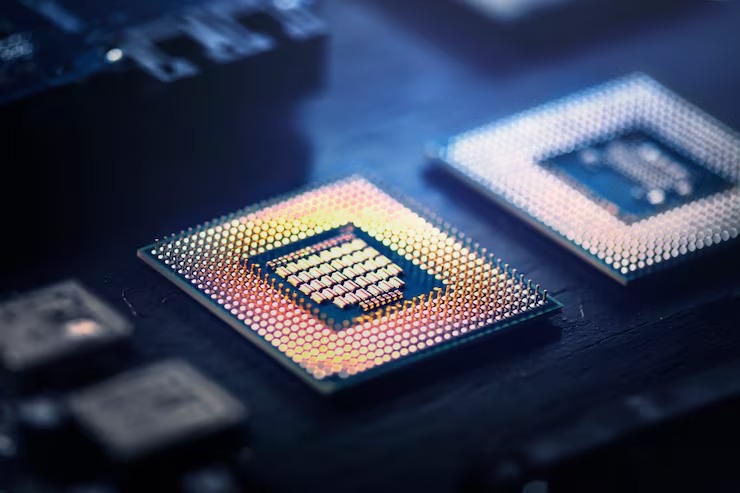
Artificial intelligence is changing more than computing architecture; it is also altering the rhythm of hardware procurement. Data-center expansion, intelligent vehicles, industrial automation, and edge devices all require large volumes of increasingly specialized electronics, putting pressure on availability and planning.
At Mayhwa, we operate in this environment with a sourcing network spanning more than 2,000 global suppliers and inventory of over 3,000 SKUs across Shenzhen and Hong Kong. For procurement teams, the bigger question is how to build a supply chain that can respond to shifting AI demand without compromising technical requirements.
AI Hardware Is Expanding Component Requirements
An AI system rarely depends on a processor alone. Memory, power-management devices, timing components, connectors, inductors, and other supporting parts all contribute to the final architecture. As computing workloads become more intensive, engineers may need to reconsider thermal performance, signal integrity, power delivery, and board density at the same time. Consequently, demand changes in one segment can create secondary pressure across several categories of the electronics market.
For an electronic components distributor, this shift means that procurement support increasingly involves more than locating a requested part number. A customer may need several component families for one project, with different manufacturers, package types, operating conditions, and delivery requirements. Having access to multiple supply channels can make it easier to investigate availability while engineering teams are still validating a design rather than waiting until production is already under pressure.
AI development also tends to shorten the distance between prototype evaluation and commercial deployment. A design team might move through several board revisions before settling on a production configuration, creating changing requirements for samples and small quantities. Procurement processes that can accommodate these variations are therefore useful during both development and manufacturing.
Rethinking Electronic Components Sourcing
A practical sourcing strategy begins with the bill of materials. Not every line item carries the same level of supply risk, so procurement teams can classify components according to technical specificity, availability, qualification requirements, and the consequences of substitution. Highly specialized parts may require strict manufacturer and package matching, while other items can potentially be evaluated through approved alternatives.
That makes electronic components sourcing a broader exercise than comparing quotations. Supplier coverage, inventory location, documentation, inspection procedures, and responsiveness can all influence the suitability of a purchasing channel. For automotive, medical, and industrial applications in particular, component identity and traceability can be important considerations because a lower-priced substitute may not satisfy the same design or qualification requirements.
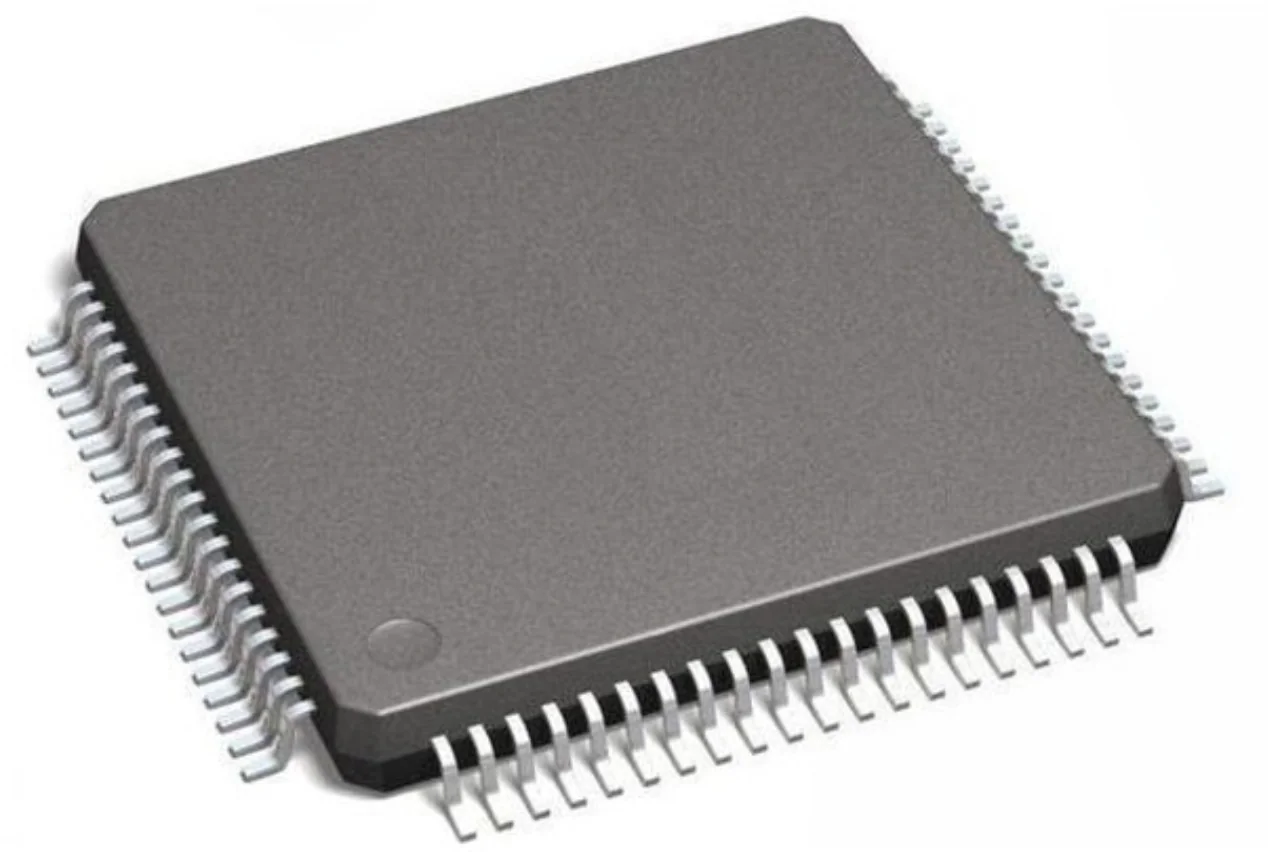
Specific part information also illustrates why procurement decisions should remain tied to verified specifications. For example, we at Mayhwa list STM32F427VGT6-TEST from STMicroelectronics as a 32-bit ARM Cortex-M4 MCU with a 180 MHz frequency, 1 MB Flash, and a 100-LQFP package measuring 14 × 14 mm. Such details provide a useful reference when matching a BOM requirement, while also showing why a generic description such as “32-bit MCU” is not enough for technical purchasing.
Inventory And Verification Matter More
AI-related demand does not necessarily increase every component category at the same pace. A sudden production ramp may create pressure on particular ICs, timing devices, memory products, or power-related parts while other items remain readily available. Inventory visibility therefore becomes valuable, especially when a customer needs samples, small batches, or an urgent replacement during a manufacturing schedule.
Our role as an electronic components distributor includes connecting customers with broader supply resources while maintaining attention to component details. Our Shenzhen and Hong Kong inventory covers more than 3,000 SKUs across integrated circuits, diodes, MLCCs, connectors, relays, and inductors—giving procurement teams access to several major component categories through one sourcing channel. The portfolio includes integrated circuits, diodes, MLCCs, connectors, relays, and inductors, giving procurement teams access to several major component categories through one sourcing channel.
Verification becomes equally significant as sourcing networks expand. Our quality process includes visual inspection, origin validation, 200× magnification, solderability testing, X-ray non-destructive testing, ESD-controlled storage, and final inspection. We also state that components are sourced from original manufacturers and authorized distributors with documentation such as CoC and test reports. These measures provide a framework for evaluating authenticity and traceability alongside price and availability.
One example from our product range is SI5332DD15663-AM1, a Skyworks component described on our product page as an automotive-grade, 105°C, six-output device. For procurement professionals, details of this kind matter because timing components with similar functions can still differ in environmental ratings, output configuration, or application suitability. Checking the exact manufacturer part number and documented specifications remains a necessary step before approving a purchase.
Conclusion
AI-driven demand is pushing electronics procurement toward faster decisions, closer coordination with engineering, and greater attention to supply visibility. The strongest sourcing approach is not simply about finding parts quickly; it involves understanding which specifications are fixed, where alternatives may be considered, and which supply risks deserve earlier attention.
At Mayhwa, we combine access to a broad supplier network with inventory in Shenzhen and Hong Kong, small-batch support, BOM services, and component inspection capabilities. As AI continues to influence automotive, industrial, medical, and computing hardware, these practical procurement disciplines can help teams respond to changing demand with greater clarity.