Industrial electronics rarely fail because a single component looks inadequate on paper. More often, the challenge comes from mismatched electrical characteristics, unsuitable switching behavior, procurement uncertainty, or insufficient attention to how individual parts interact within a larger system.
For engineering and purchasing teams, working with texas instruments distributors therefore involves more than locating a familiar manufacturer name. At Mayhwa, we view component selection as a process that connects circuit requirements with practical sourcing considerations, giving buyers a clearer basis for evaluating parts used in industrial equipment.

Understanding Component Roles In Industrial Systems
Industrial electronics cover a wide range of applications, including motor control, factory automation, measurement equipment, power management, communication infrastructure, and monitoring systems. Each environment places different demands on electronic components. A circuit operating near motors or power converters, for instance, may encounter greater electrical noise than a low-power monitoring device, making switching characteristics and signal integrity particularly important.
The same principle applies to component selection. Voltage ratings, current handling, resistance, leakage, propagation behavior, package dimensions, and temperature characteristics can all influence system performance. Rather than treating a component as an isolated purchasing item, engineers can evaluate how its specifications fit the surrounding circuitry and the expected operating conditions.
Why Analog And Digital Switching Matters
Switching devices play an important role in industrial designs because they can connect, disconnect, route, or control signals within an electronic system. Their usefulness extends from simple signal paths to more sophisticated architectures in which multiple circuits must communicate without unnecessary loading or interference. Parameters such as on-resistance, leakage current, signal range, and switching response can therefore deserve close examination.
A purchasing team may encounter several apparently similar devices with different electrical behaviors. Comparing only package style or nominal voltage can obscure meaningful distinctions. A TI distributor can become a useful sourcing channel when buyers need access to detailed component information while also considering stock, ordering quantities, and potential alternatives. Technical review should still remain the foundation of the final selection.
Examining A Specific Switching Component
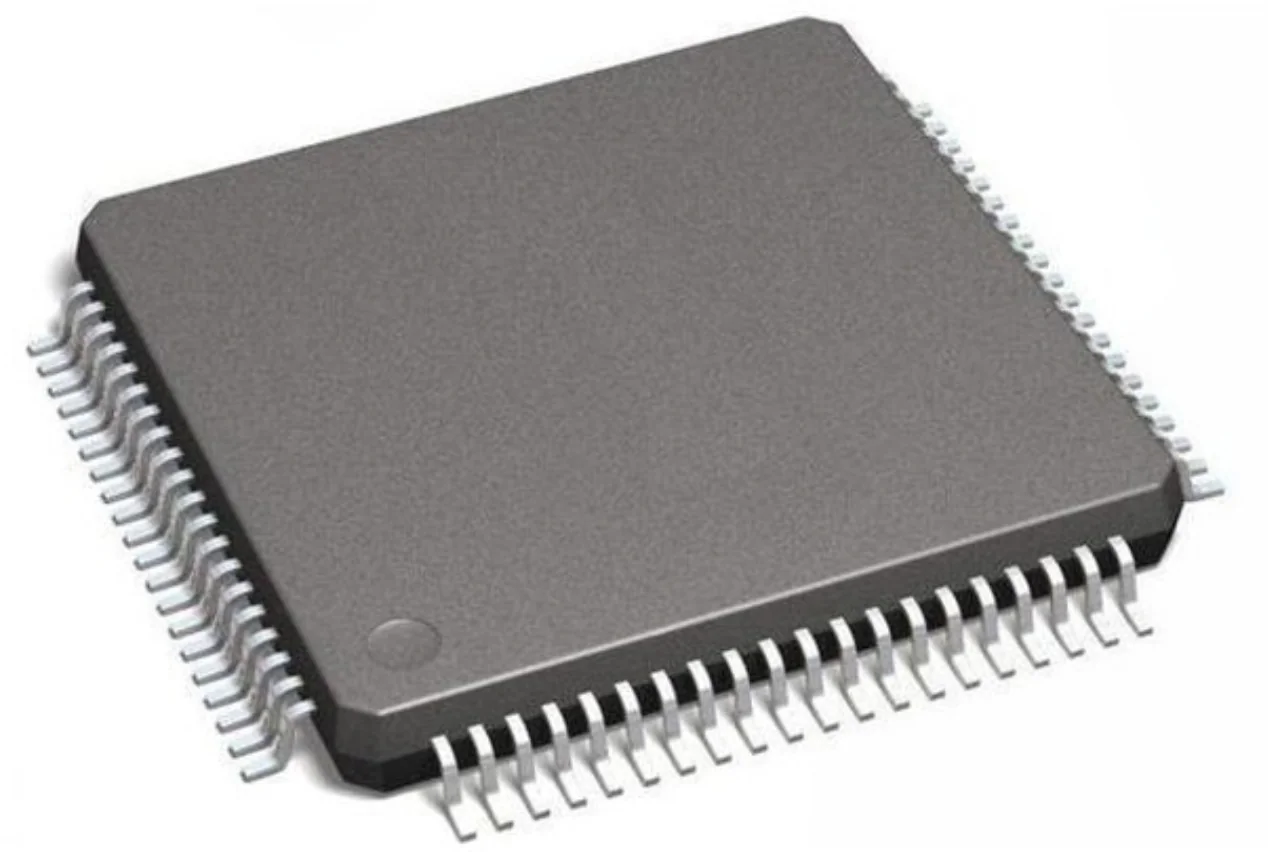
One supplied example is the TI component 1P1G66QDBVRG4Q1, described as an SPST normally open switch with 25-ohm resistance in an SOT23 package. Its specification illustrates why industrial buyers should examine the function of a component rather than judging suitability from the manufacturer alone. A single-pole, single-throw normally open configuration may serve a particular signal-routing requirement, while the stated resistance and compact package provide additional electrical and physical parameters for engineers to assess.
At Mayhwa, we can use detailed part information such as this to support discussions around sourcing decisions without treating one component as a universal answer. The appropriate choice depends on the circuit topology, signal characteristics, expected load, environmental conditions, PCB layout, and other design constraints surrounding the device.
Assessing Supply Beyond Availability
Industrial projects often operate across several procurement stages. Prototype development may require small quantities and fast access, whereas production programs can involve recurring orders, scheduled replenishment, and tighter documentation requirements. A component that is readily available for a prototype may therefore require a different sourcing strategy once demand increases.
Inventory visibility is useful, but it should not be the only purchasing criterion. Buyers can also examine manufacturer data, ordering codes, packaging information, lot considerations, and the consistency of supply channels. Comparing multiple texas instruments distributors may help procurement teams understand differences in availability and commercial conditions before committing to a particular purchasing route.
Evaluating Sourcing Risks Carefully
Industrial electronics can remain in service for years, so sourcing decisions should account for more than today’s stock level. A sudden shortage, specification change, or packaging transition can affect manufacturing schedules and engineering workloads. Maintaining accurate part records and identifying technically relevant alternatives early can give teams greater flexibility if circumstances change.
A reliable TI distributor relationship may also support communication between engineering and procurement. Technical teams can focus on electrical suitability while purchasing specialists assess quantity, timing, and supply conditions. Keeping those perspectives connected reduces the chance that a sourcing decision is made without understanding its impact on the finished design.
Building A Practical Selection Framework
A useful evaluation begins with the application rather than the supplier catalog. Engineers can first define the required electrical characteristics, switching function, package constraints, environmental range, and expected operating conditions. Procurement teams can then add commercial factors such as demand forecasts, available quantities, packaging requirements, and sourcing lead times. This two-stage approach creates a more structured comparison between candidate components.
For broader procurement programs, texas instruments distributors can offer access to different inventory channels, while technical teams should continue verifying every proposed part against the original design requirements. Documentation also matters: accurate manufacturer references, ordering information, and package details make internal approval and future purchasing easier.
Conclusion
Industrial component selection is rarely about finding the most impressive specification; it is about finding a technically appropriate part and maintaining a sensible path from design through production. Switching behavior, electrical limits, package characteristics, operating conditions, and supply continuity all deserve a place in the evaluation process.
At Mayhwa, we combine component knowledge with sourcing experience so engineering and purchasing teams can examine available options from both technical and supply perspectives. Working with suitable TI distributor channels can then become part of a broader procurement strategy built around evidence, application requirements, and long-term planning.