Modern embedded hardware rarely depends on a single function. Power regulation, signal transmission, sensing, processing, and communication must work together within a limited physical space, while OEM teams also have to consider cost, availability, and production schedules.
That makes the choice of texas instruments distributors more nuanced than simply comparing catalog prices. At Mayhwa, we take a broader view of component sourcing, considering technical specifications alongside inventory conditions and project requirements so purchasing decisions can be based on practical information rather than assumptions.

Understanding The Role Of ICs In Embedded Designs
Integrated circuits perform very different jobs inside an embedded system. Some devices handle power conversion or voltage supervision, while others process signals, store information, or connect separate sections of a circuit. Understanding the function required at each point in the architecture helps engineers avoid selecting components based only on familiar product categories.
Power-related circuitry deserves particular attention because unstable voltage can influence the behavior of processors, sensors, memory, and communication interfaces. Designers may need to evaluate input ranges, output characteristics, current capability, thermal behavior, protection features, and transient response. The appropriate specification depends heavily on the surrounding circuit rather than on the IC category alone.
Signal Communication And System Reliability
Embedded equipment often contains several boards or functional blocks that must exchange data reliably. Industrial controllers, automation equipment, measurement instruments, and communication systems may therefore require dedicated transceiver circuits to move signals between different parts of the architecture. Electrical noise, cable length, signal levels, timing, and environmental conditions can all affect the communication path.
A transceiver is not simply a device that passes information from one point to another. Its electrical characteristics influence how a system handles incoming and outgoing signals, while the package affects PCB layout and manufacturing considerations. Buyers working with texas instruments suppliers should therefore review the complete technical description instead of assuming that devices with similar general functions can be substituted without further engineering evaluation.
A Practical Example Of Transceiver Selection
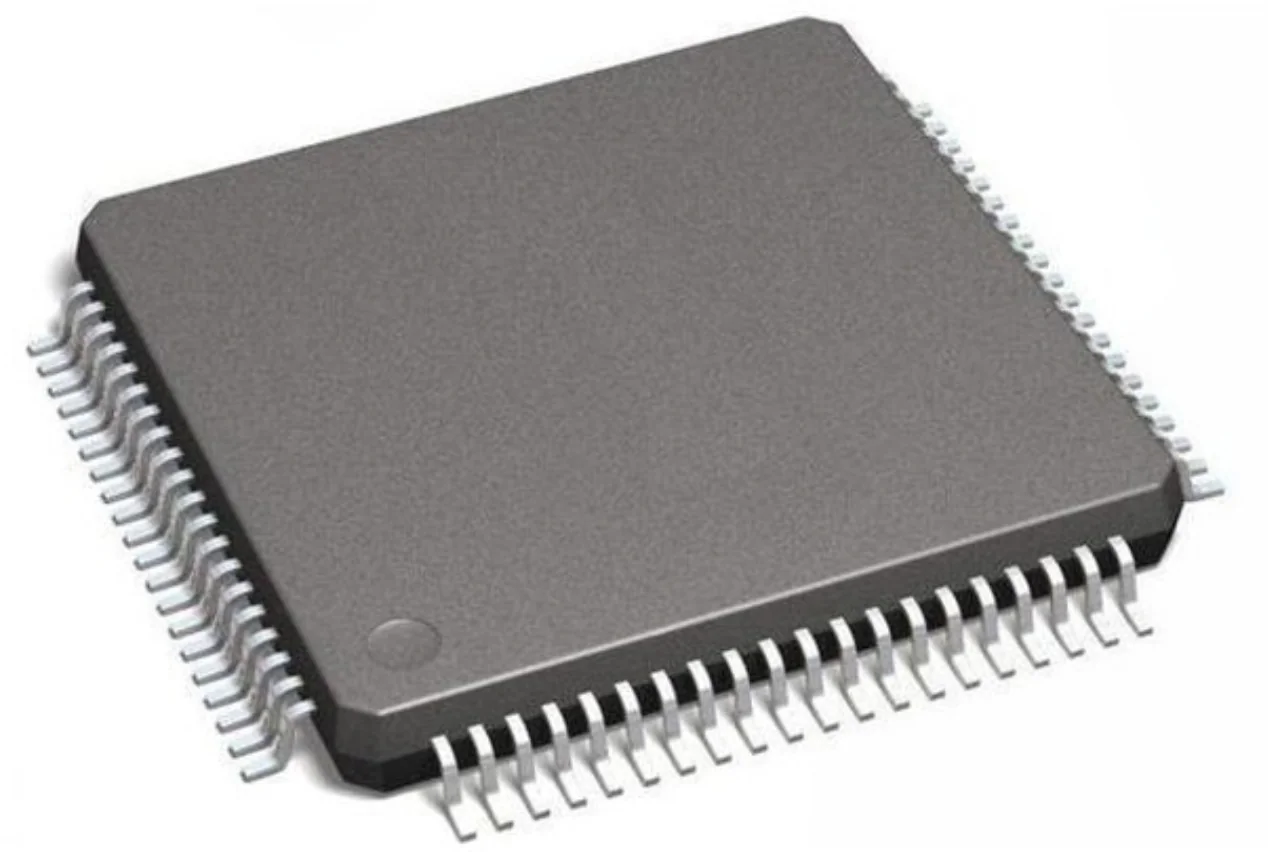
One supplied example is the TI AM26C32MDREP, specified as an IC transceiver with a 16-SOIC package. Its description indicates a transceiver function, making it relevant to designs where signal communication between circuit sections is required. The package designation also provides information that matters during PCB planning and assembly, particularly where board dimensions, component placement, and manufacturing processes must be considered together. A component should ultimately be assessed against the electrical and mechanical requirements of its intended application.
At Mayhwa, we use detailed part information as a starting point for sourcing discussions rather than treating a single component as suitable for every embedded system. Engineers may need to examine signal standards, operating conditions, interface architecture, package constraints, and expected system behavior before approving a device for production.
What Procurement Teams Should Examine
Technical suitability is only one part of an effective purchasing decision. Stock location, available quantity, packaging configuration, ordering references, and replenishment conditions can all affect how easily a component moves from prototype builds into regular production. A part that is accessible in small quantities may require a different procurement approach once monthly demand increases.
Documentation can also influence procurement efficiency. Clear manufacturer information, accurate part numbers, package details, and consistent commercial descriptions reduce confusion between engineering and purchasing teams. Comparing several texas instruments distributors becomes more useful when these factors are reviewed alongside unit pricing, because the apparent cost of a component does not necessarily represent the total sourcing burden.
Managing Supply Considerations Across Project Stages
Embedded projects often progress through several distinct phases. Early prototypes may use small quantities, engineering revisions can change the bill of materials, and production eventually introduces recurring demand. A sourcing strategy that works during development may need adjustment as order volumes and delivery expectations become more predictable.
Supply-chain flexibility is particularly valuable when a design contains numerous ICs from different categories. Rather than evaluating every component in isolation, procurement teams can maintain organized part records and monitor demand patterns across the project. This gives texas instruments suppliers a clearer basis for discussing inventory requirements and helps buyers identify potential sourcing issues before they interfere with manufacturing plans.
Connecting Engineering And Purchasing
Engineering teams generally focus on electrical behavior, compatibility, and system performance, whereas purchasing specialists must also consider quantity, timing, commercial conditions, and inventory. Problems can arise if these perspectives remain separate. A technically appropriate component may become difficult to procure at the required scale, while an inexpensive alternative may introduce changes that require additional engineering work.
A coordinated review brings those considerations together. Part numbers should be checked against the approved bill of materials, while proposed alternatives require technical assessment before adoption. At Mayhwa, we support this exchange by organizing component and supply information around the requirements communicated by customers, allowing technical and procurement discussions to remain connected.
Conclusion
Good component procurement connects circuit design with the realities of manufacturing. Power behavior, signal communication, package requirements, inventory, documentation, and project timing each contribute to the final decision, and none should be considered independently.
At Mayhwa, we bring these elements together when supporting electronic component sourcing, using the available technical and supply information to help customers assess suitable options. A thoughtful relationship with texas instruments suppliers can then become part of a procurement process that supports both engineering priorities and the practical demands of embedded-system production.