Selecting a microcontroller is rarely just a matter of comparing memory capacity or package size. Developers also need to consider processing requirements, peripheral integration, development resources, power behavior, and long-term project suitability. The STM32F103C8T6 microcontroller remains a useful reference point for understanding these considerations, particularly in embedded designs that balance functionality with board space and implementation cost.
At Mayhwa, we focus on helping customers evaluate component information from a practical engineering perspective, so that technical specifications can be connected with actual application requirements rather than viewed in isolation.
Core Architecture And Processing Capability
A microcontroller acts as the central control unit in many embedded products, coordinating inputs, processing logic, communication, and outputs within a single device. The choice of architecture therefore affects more than raw computing performance. Clock frequency, instruction efficiency, memory organization, peripheral availability, and interrupt behavior all influence how smoothly an application can respond to real-time events.
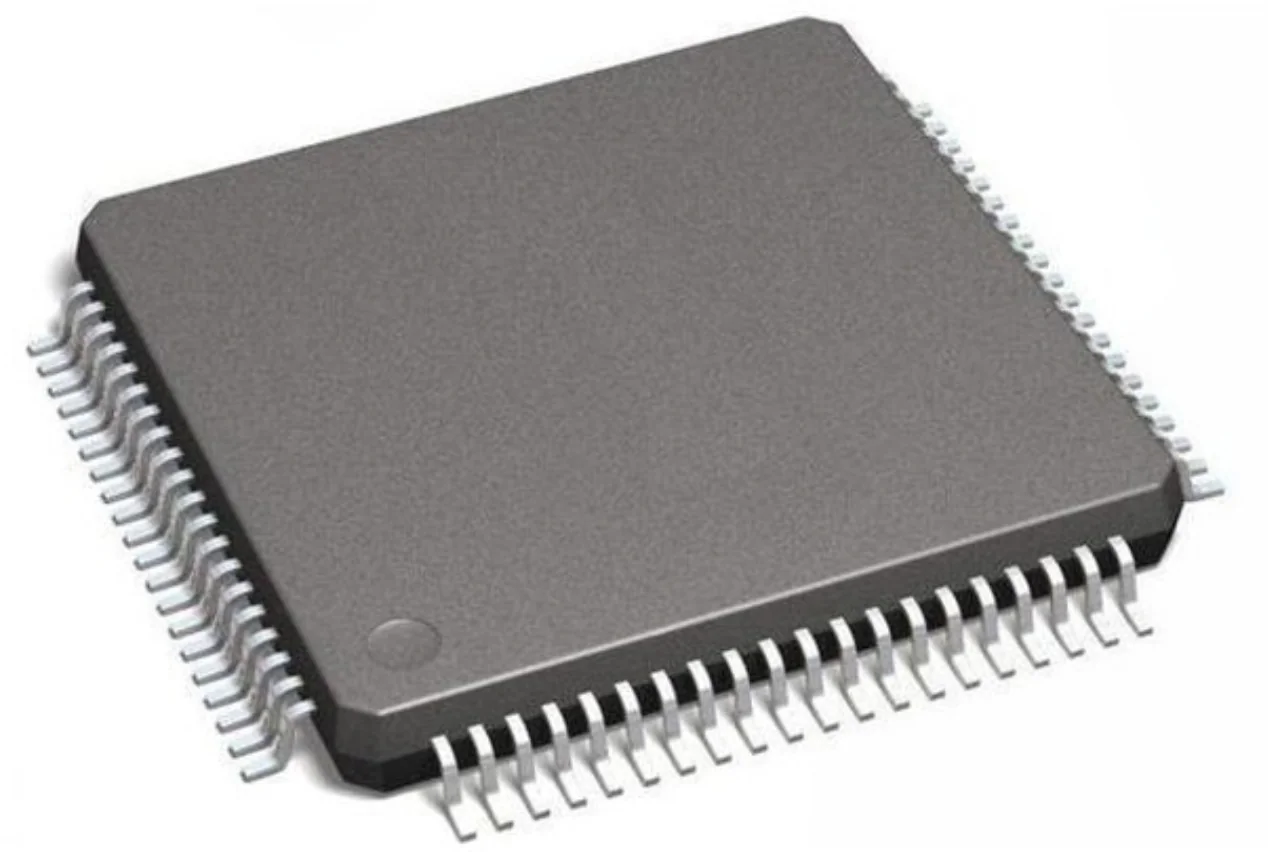
For applications built around sensors, control panels, compact automation equipment, or general-purpose embedded control, engineers often prefer an MCU that provides a reasonable balance between processing resources and implementation complexity. The STM32F103C8T6 belongs to the 32-bit STM32 family and is specified with 64KB of Flash memory in a 48-LQFP package. Such characteristics make it relevant to designs where firmware needs more room than a basic 8-bit controller might provide, while the hardware still needs to remain relatively compact.
Processing capability should also be evaluated alongside software requirements. A controller with sufficient computational headroom can accommodate communication routines, sensor processing, control algorithms, and diagnostic functions without forcing every task into an extremely restrictive firmware structure. That distinction becomes particularly useful during early architecture decisions, before a hardware platform becomes difficult to change.
Memory And Peripheral Considerations
Flash memory provides the non-volatile space required for application firmware, while RAM supports temporary variables, buffers, stacks, and runtime operations. Looking at memory capacity alone, however, does not reveal whether an MCU fits a particular project. Developers should estimate firmware size, communication buffers, bootloader requirements, diagnostic functions, and future software additions before settling on a memory configuration.
A practical evaluation of the STM32F103C8T6 microcontroller therefore goes beyond its 64KB Flash specification. Engineers can consider how the available memory fits the intended firmware architecture and whether the device’s peripheral set aligns with the board’s functional requirements. Integrated interfaces can reduce the number of external components needed for common control and communication tasks, although the exact peripheral requirements will vary from one application to another.
Peripheral selection deserves attention because embedded systems often combine several functions. A controller may need to read sensors, communicate with another processor, drive an actuator, and monitor system conditions simultaneously. Rather than treating these requirements separately, designers can map each signal and interface against the MCU’s available resources before PCB development begins.
Package, Board Design, And Thermal Factors
Package selection influences PCB routing, component placement, assembly processes, and the physical dimensions of the finished product. A 48-LQFP package offers a different design profile from smaller leadless packages, so engineers should assess available board area, routing preferences, inspection methods, and manufacturing capabilities as part of the component evaluation.
Thermal behavior is another consideration, even for relatively modest embedded controllers. Actual temperature depends on operating conditions, clock activity, supply characteristics, surrounding components, and enclosure design. Datasheet limits provide the boundaries, but application-level analysis is still necessary when a controller will operate continuously or inside a confined enclosure.
The STM32F103C8T6 specification illustrates why package and memory should be reviewed together rather than independently. A component can appear attractive from a firmware perspective but become less convenient if its package conflicts with an established PCB layout or manufacturing process. Early cross-checking helps reduce redesign work later in development.
Sourcing And Component Verification
Technical suitability represents only one part of component selection. Procurement teams also need to examine manufacturer information, part-number accuracy, package details, stock status, traceability, and documentation. These checks become especially important when several versions of a semiconductor share similar naming conventions.
Working with an STM32F103C8T6 listing, for example, requires attention to the exact suffix and package designation rather than relying solely on the broader MCU family name. Small differences in ordering codes can correspond to meaningful variations in package, temperature range, memory configuration, or other specifications. A disciplined verification process should therefore compare the requested part number against the technical documentation and purchasing record.
For procurement teams, supplier evaluation can also include inventory visibility and communication practices. A component that fits the electrical design may still create project difficulties if availability information is unclear or if alternative parts are introduced without sufficient technical review. Keeping engineering and purchasing criteria connected makes sourcing decisions easier to evaluate.
Conclusion
Good MCU selection comes down to matching measurable specifications with the realities of the intended system. Memory capacity, processing resources, package format, peripheral requirements, thermal conditions, documentation, and sourcing factors each contribute to the final decision, while none should be considered in isolation.
At Mayhwa, we approach component sourcing with these practical factors in mind, helping customers examine part information carefully and connect procurement choices with actual engineering requirements. A thoughtful evaluation made before board development can make later design, production, and maintenance decisions considerably more manageable.