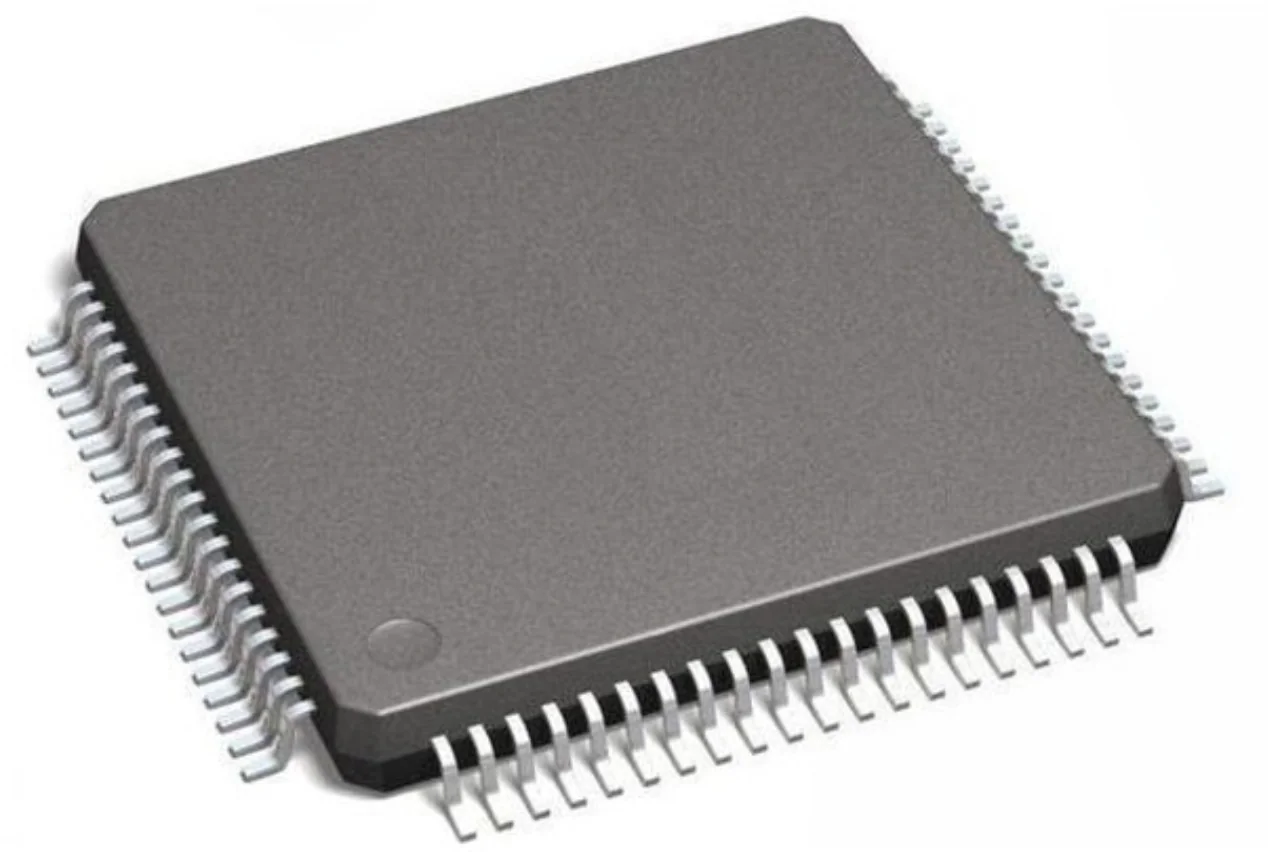
OEM electronics programs rarely stay static from prototype to mass production. Component requirements can shift as circuit designs mature, order volumes change, or manufacturing schedules become more demanding. That makes supplier evaluation a technical and operational task rather than a simple price comparison.
For purchasing teams working with texas instruments distributors, factors such as component authenticity, documentation, package information, stock visibility, and communication speed can all influence the outcome. At Mayhwa, we approach sourcing with these practical considerations in mind, helping customers connect component requirements with realistic procurement conditions.

Start With The Electrical Requirements
A suitable supplier relationship begins with a clear understanding of the component itself. Engineers should identify the required logic function, voltage range, current characteristics, switching behavior, package type, temperature range, and other parameters that affect circuit operation. A distributor can provide useful sourcing information, but the engineering team still needs to establish which specifications are genuinely essential to the OEM design.
Part-number accuracy deserves equal attention. Small differences in ordering codes can represent changes in package, temperature grade, tape-and-reel configuration, electrical characteristics, or other attributes. A careful purchasing process therefore compares the exact manufacturer part number against the approved bill of materials instead of relying solely on a broad product description.
Examine Supplier Inventory And Traceability
OEM projects often require a different supply rhythm from one development stage to another. Prototype builds may involve modest quantities, while production orders can become recurring and considerably larger. Inventory that looks sufficient for an initial build may not necessarily support the next manufacturing cycle, so buyers benefit from examining current availability alongside expected demand.
Traceability is another consideration, particularly for components used in long-running industrial or commercial products. Documentation, packaging details, date information where applicable, and the clarity of the supply chain can all contribute to a more transparent procurement process. A TI distributor that communicates these details clearly gives purchasing teams more information to assess before an order is placed.
Understand Logic Components Before Ordering
Logic devices may appear simple compared with processors or power-management circuits, yet their behavior can have a direct effect on timing and system stability. Flip-flops, buffers, counters, multiplexers, and logic gates each perform different functions, and apparently similar devices can vary in propagation delay, input thresholds, output drive, and operating conditions.
One example from the supplied inventory information is the TI 74ACT11074N. It is described as a D-type flip-flop with two elements and a 1-bit configuration, housed in a 14-PDIP package. The part illustrates why functional descriptions should be read alongside package and electrical information: an OEM team evaluating a sequential logic device needs to consider how its characteristics fit the timing architecture and board design rather than selecting it from the product family name alone.
Compare Procurement Conditions Carefully
Cost naturally matters in OEM purchasing, but the lowest quoted unit price does not necessarily represent the most practical option. For a one-time prototype build, price may be less critical than availability. For a recurring production order, supply stability and consistent lead times often outweigh a small difference in unit cost..
Working with several texas instruments distributors can also reveal differences in available inventory and commercial terms. Rather than treating every quotation as directly comparable, procurement teams can assess the conditions attached to each offer. This approach makes it easier to distinguish a genuinely useful supply option from one that only appears attractive because important variables have been left out.
Consider Communication And Project Support
OEM projects frequently involve questions that cannot be answered by a catalog page alone. Buyers may need clarification about package variants, available quantities, ordering references, or changes in demand. Responsive communication becomes particularly valuable when engineering and procurement teams are working against a fixed production schedule.
A strong sourcing relationship should also accommodate information moving in both directions. Purchasing teams can communicate forecast changes, while suppliers can provide updates about inventory and sourcing conditions. At Mayhwa, we work with customers in this way, using available component and supply information to support practical discussions rather than turning every interaction into a sales pitch.
Build A Repeatable Supplier Evaluation Process
A repeatable evaluation framework helps OEM teams avoid making supplier decisions from isolated quotations. Start by confirming the exact part number and technical requirements, then review inventory, documentation, packaging, pricing, delivery conditions, and communication quality. Keeping these criteria consistent makes supplier comparisons easier across different projects and purchasing cycles.
The same framework can be applied when reviewing TI distributor options for future production. Technical suitability remains the first filter, while commercial and supply factors determine whether a sourcing route fits the broader project. Such discipline becomes increasingly useful as product portfolios expand and procurement teams manage more components simultaneously.
Conclusion
Selecting a supplier for an OEM program calls for more than finding a component at a convenient price. Electrical compatibility, part-number precision, inventory transparency, traceability, delivery conditions, and communication all contribute to a sound purchasing decision.
At Mayhwa, we use these dimensions to structure sourcing discussions around the actual requirements of each project. With the right texas instruments distributors and a clear evaluation method, procurement teams can make component decisions that remain practical beyond the first order and better align with the realities of ongoing OEM production.