Embedded systems are becoming more capable while their size, power budget, and development cycles remain tightly constrained. Selecting an stmicroelectronics distributor therefore involves more than checking whether a requested MCU appears in a catalog. Engineers and purchasing teams also need to consider processing capability, memory architecture, peripheral requirements, lifecycle considerations, and supply visibility.
At Mayhwa, we approach component supply from this practical perspective, helping customers evaluate sourcing choices according to the actual demands of their applications rather than relying on a single specification.
Understanding STM32 Architecture
STM32 microcontrollers are built around Arm-based processing architectures and span a broad range of performance levels, memory capacities, peripherals, and power characteristics. That variety makes the family suitable for applications ranging from compact control boards to more demanding industrial embedded platforms. Rather than selecting an MCU solely by clock frequency, engineers should examine the interaction between CPU performance, Flash and SRAM capacity, communication interfaces, timers, ADC resources, and available development support.
Memory deserves particular attention because embedded software tends to grow as functions are added. A design with sufficient processing power but limited program storage may require compromises later in development. Similarly, applications involving sensor processing, communication stacks, displays, or real-time control can place very different demands on SRAM. A balanced architecture often matters more than one impressive specification.
Matching MCU Features to Applications
Industrial controllers frequently require dependable timing, multiple communication interfaces, and predictable responses to external signals. Automotive-related electronics can introduce additional requirements around operating conditions, diagnostics, and long-term availability. Consumer and IoT devices, meanwhile, may prioritize compact packaging, low power consumption, wireless connectivity, or rapid firmware development. These differences make application requirements the starting point for MCU selection.
Another useful step is to distinguish essential functions from desirable ones. If a system needs several serial interfaces, advanced timers, high-resolution analog functions, or substantial memory, those requirements should be identified before comparing individual devices. Teams working with an ST micro distributors network can then narrow the search based on electrical characteristics and package availability instead of treating every MCU in a family as interchangeable.
A Practical Look at MCU Specifications
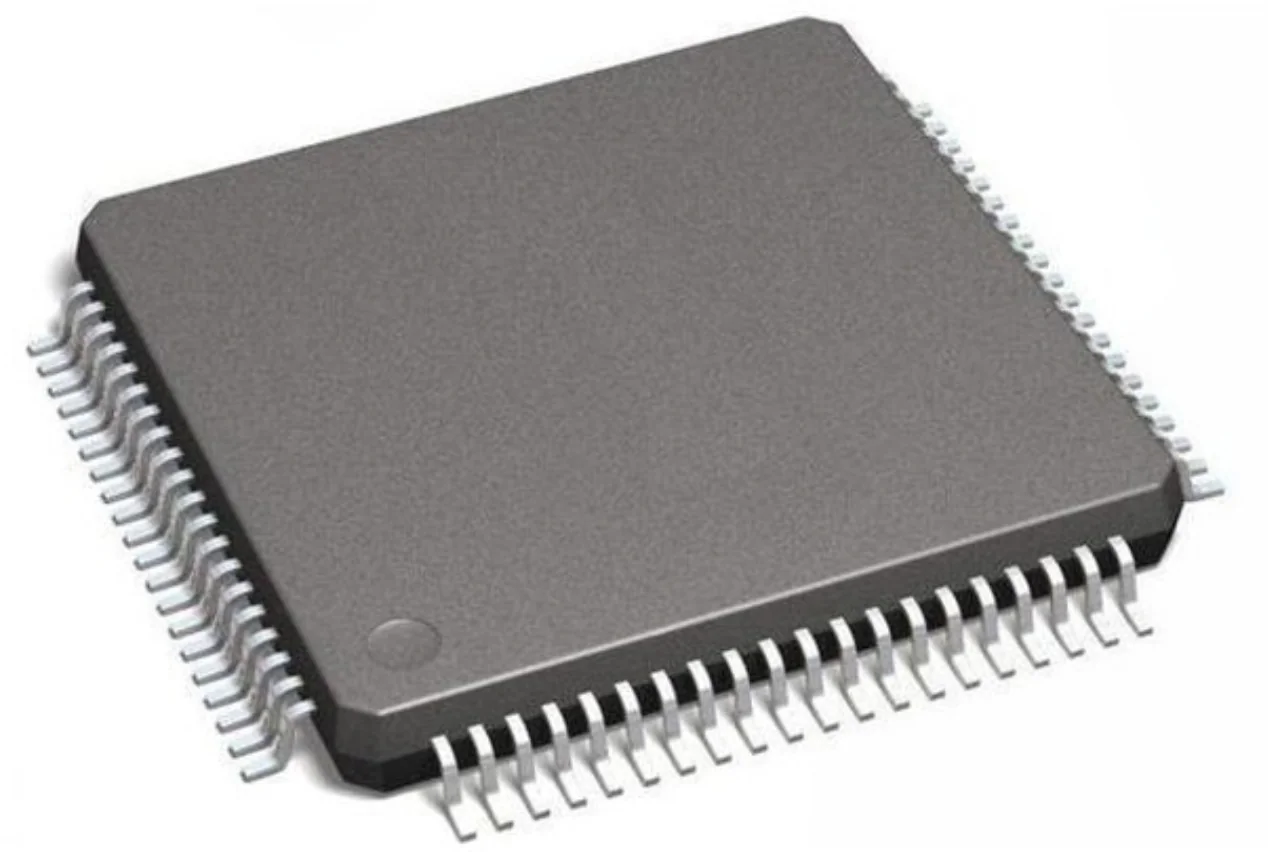
One example from the supplied component information is the STM32H743VIH6, manufactured by ST. This device is a 32-bit MCU with 2 MB of Flash memory and a 100-TFBGA package. Its specification profile illustrates why memory capacity and package selection deserve attention alongside processing performance: a high-resource embedded design may benefit from substantial program storage, while the package affects PCB layout, assembly requirements, and thermal considerations. At Mayhwa, we use these kinds of concrete specifications when discussing component options with customers, rather than presenting a product as suitable for every application.
Package selection can become especially important as PCB dimensions shrink. Smaller packages may save board space, but they can also impose greater demands on assembly equipment, inspection, routing density, and thermal design. Larger packages may provide additional pin access while consuming more board area. The right decision depends on the complete hardware design, not simply on the physical size of the component.
Evaluating Supply And Lifecycle Factors
Technical compatibility represents only one part of procurement. A device that fits the schematic may still create challenges if stock is fragmented, replenishment takes longer than expected, or available lots require additional verification. Buyers should examine manufacturer information, package details, ordering codes, stock status, and traceability before placing an order, particularly for projects that will transition from prototypes into recurring production.
The role of an stmicroelectronics distributor can become more valuable when sourcing involves several requirements at once. A capable supply partner can help compare available inventory, clarify part information, and identify alternatives that deserve engineering review. Such work does not replace technical validation; instead, it gives engineering and purchasing teams a clearer information base from which to make decisions.
Building A More Reliable Selection Process
A sensible MCU evaluation usually begins with a written requirements list. Core processing needs, memory, peripherals, voltage conditions, package constraints, operating environment, expected production volume, and software dependencies should all be considered. Once those parameters are defined, candidates can be screened more efficiently and unnecessary substitutions can be avoided.
Supplier evaluation deserves the same level of discipline. Buyers should look beyond a simple stock figure and consider sourcing channels, documentation quality, communication speed, and the ability to support changing project requirements. Working with ST micro distributors can be particularly useful when a project involves multiple stages, since prototype quantities and production demand may require different purchasing strategies.
Conclusion
The right STM32 selection is ultimately a matter of balancing architecture, application requirements, physical design, and supply considerations. Processing power alone cannot describe whether an MCU fits a real embedded platform, just as inventory alone cannot describe whether a sourcing route is practical.
At Mayhwa, we combine component information with supply-chain considerations so customers can assess available options with greater clarity. A thoughtful stmicroelectronics distributor relationship can support that process, while experienced ST micro distributors can provide another channel for navigating availability and procurement needs. The strongest purchasing decision is the one that connects the technical specification on the datasheet with the realities of the finished system.