The cost of an embedded controller is shaped by far more than the number displayed beside a product listing. Memory capacity, package type, market availability, order quantity, and purchasing conditions can all influence the final quotation. For engineers and procurement teams researching STM32F103C8T6 price, understanding these variables is useful because a lower unit quotation does not necessarily represent the most economical choice over the entire project cycle.
At Mayhwa, we approach component sourcing by examining both technical specifications and commercial conditions, giving buyers a clearer basis for comparing semiconductor quotations.

Understanding The Component Specification
A microcontroller’s specification provides the foundation for evaluating its commercial value. Memory capacity, processing architecture, package format, operating conditions, and integrated functions affect how a device fits into an electronic design. A component with adequate resources can reduce the need for additional devices, while an unsuitable specification may create redesign costs that are difficult to see in an initial purchasing quote.
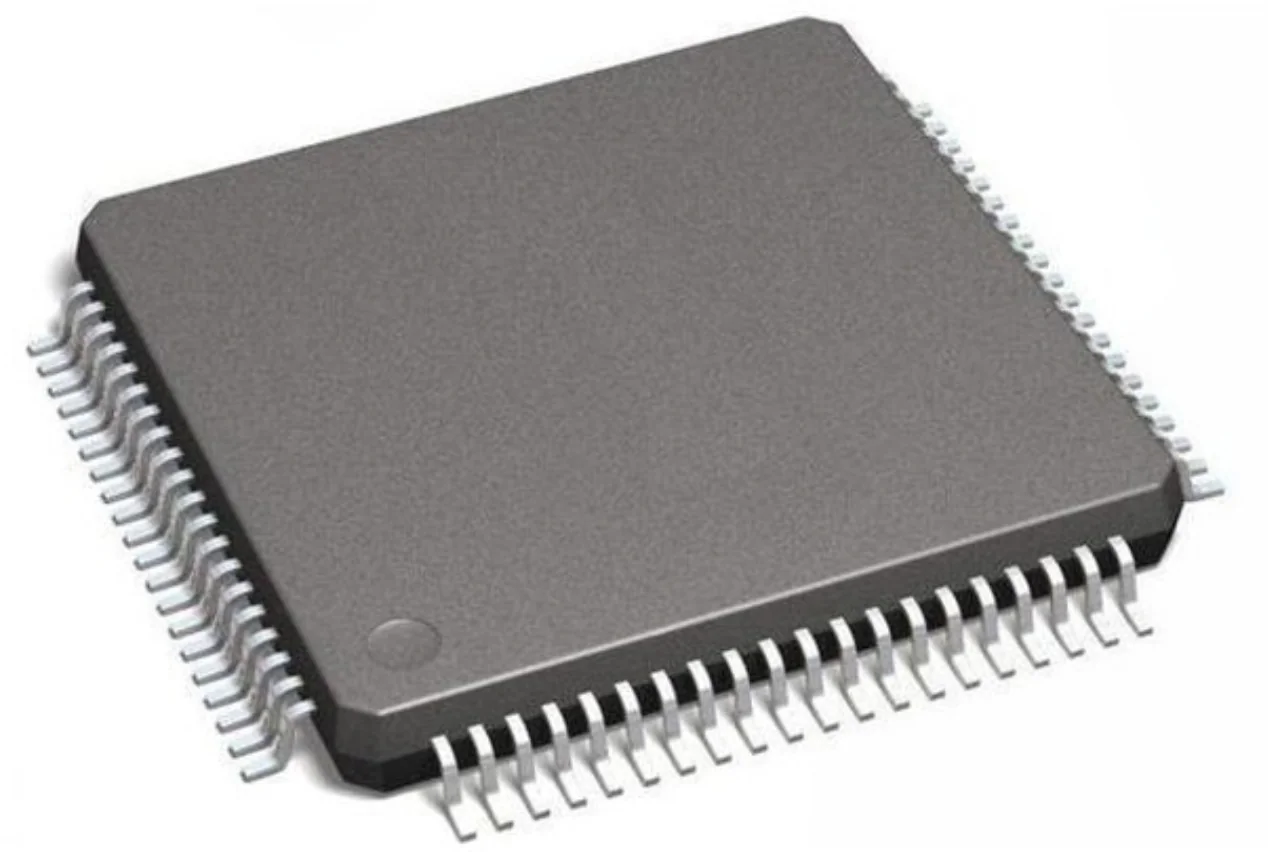
The model supplied for this discussion is specified as a 32-bit MCU with 64KB Flash memory in a 48-LQFP package. These characteristics matter because package selection affects PCB layout and assembly, whereas Flash capacity relates directly to firmware requirements. Understanding the technical baseline helps buyers compare quotations for the same component rather than treating similar-looking semiconductor listings as interchangeable.
A useful purchasing assessment therefore starts with the exact part number and documented specifications. Once the technical requirements are clear, commercial comparisons become much more meaningful.
Why Market Availability Matters
Semiconductor pricing can change according to supply and demand. A component that is readily available through several channels may be quoted differently from one experiencing limited inventory. Production schedules, distributor stock, regional demand, and broader market conditions can all contribute to quotation changes, even if the underlying specification has not changed.
The STM32F103C8T6 price seen by one buyer may therefore differ from another quotation obtained at a different time or under different purchasing conditions. Inventory age can also matter, particularly when buyers need specific manufacturing or traceability requirements. Procurement teams should examine stock information together with date, quantity, packaging condition, and documentation rather than focusing solely on the unit figure.
Price fluctuations are not necessarily a sign that a quotation is unreliable. They often reflect the commercial environment surrounding semiconductor distribution, which means timing and purchasing strategy deserve attention.
Quantity And Purchasing Conditions
Order quantity has a direct relationship with many electronic component quotations. Suppliers may structure pricing into different quantity tiers, so the unit cost for a prototype order can differ substantially from that of a production requirement. Buyers should therefore communicate realistic demand rather than evaluating quotations without specifying the intended volume.
A project that requires a few dozen units for engineering validation has a very different purchasing profile from one requiring thousands of devices for scheduled manufacturing. Minimum order quantities, packaging quantities, lead times, and available inventory can influence the effective procurement cost. These factors should be recorded alongside the quotation so that purchasing decisions remain comparable.
Another useful practice is to distinguish between immediate demand and projected demand. Forecasting does not remove market uncertainty, but it can give procurement teams more information when discussing quantity-based quotations and replenishment plans.
Comparing Total Procurement Cost
Unit price is only one element of acquisition cost. Shipping, handling, payment terms, inspection, storage, and potential sourcing delays can affect the financial result of a purchase. A quotation that appears inexpensive may become less attractive if additional logistics expenses or extended procurement time are involved.
For buyers evaluating STM32F103C8T6 price, comparing offers on an equivalent basis is especially important. The same part number should be matched against the same package, quantity, condition, and documentation requirements. Otherwise, apparent savings may simply reflect differences in what each quotation actually includes.
Procurement teams can also calculate an estimated cost per usable component rather than relying entirely on the advertised unit amount. Such an approach encourages a broader view of purchasing efficiency without assuming that the cheapest listing is automatically the most suitable option.
Verification Before Purchase
Component verification becomes particularly important when multiple online listings use similar descriptions. Part-number accuracy, manufacturer identification, package information, stock status, and supporting documentation should all be reviewed before an order is placed. This process is especially valuable for production applications, where an incorrect component can create delays far beyond the original purchase cost.
The STM32F103C8T6 designation should be checked against the required technical documentation before buyers compare commercial offers. Matching the exact ordering information helps prevent confusion between related devices, package variants, or similarly named listings. Procurement and engineering teams can work together here: one side evaluates commercial conditions while the other confirms technical suitability.
Conclusion
Component pricing becomes easier to interpret once technical specifications and market conditions are considered together. The STM32F103C8T6 price is not simply a fixed number; quantity, inventory, purchasing timing, logistics, and verification requirements can all affect the commercial outcome. At Mayhwa, we use a practical evaluation process that connects the technical identity of a component with the conditions surrounding its purchase. Rather than judging a quotation by one figure alone, buyers can assess the full procurement picture and make decisions that fit both immediate requirements and longer-term project planning.