Selecting an MCU for a new project involves more than matching a processor to a required clock speed. Memory capacity, peripherals, power consumption, package options, development resources, and long-term availability can all affect the final design. Companies researching stmicroelectronics distributor options can make the process more manageable by separating technical evaluation from procurement assessment. At Mayhwa, we work with customers to connect specific component requirements with practical sourcing resources rather than treating every MCU project in the same way.
Define The MCU Requirements First
A useful starting point is to translate the system architecture into measurable requirements. The processor may need specific communication interfaces, analog inputs, timers, PWM channels, memory resources, or security functions. These details narrow the potential device families considerably before purchasing teams begin comparing suppliers.
Power behavior deserves similar attention. A controller used in industrial equipment connected to mains power may have different priorities from one installed in a battery-powered sensor. Low-power modes, wake-up behavior, operating voltage, and peripheral activity can influence the overall energy profile of the finished product.
For teams evaluating stmicroelectronics authorized distributors, a clearly documented requirement list also makes communication more precise. Procurement can refer to the same technical criteria used by engineering instead of relying on broad descriptions such as “industrial MCU” or “low-power controller.”
Compare Architecture And Peripheral Resources
Processing performance should be considered in relation to the actual workload. A simple controller for switches and basic sensing may not benefit from resources intended for demanding computation. More sophisticated equipment, meanwhile, can require greater memory, faster processing, advanced timers, connectivity, or hardware acceleration.
The STM32 portfolio illustrates the range available within one manufacturer ecosystem. STMicroelectronics offers families based on different Arm Cortex-M architectures, covering mainstream control, ultra-low-power operation, mixed-signal applications, wireless connectivity, and higher-performance embedded workloads.
An stmicroelectronics distributor should therefore be assessed only after the engineering team has established what the application actually needs. Matching the family to the workload can prevent unnecessary processing capacity from increasing design complexity or cost.
Examine Package And Production Considerations
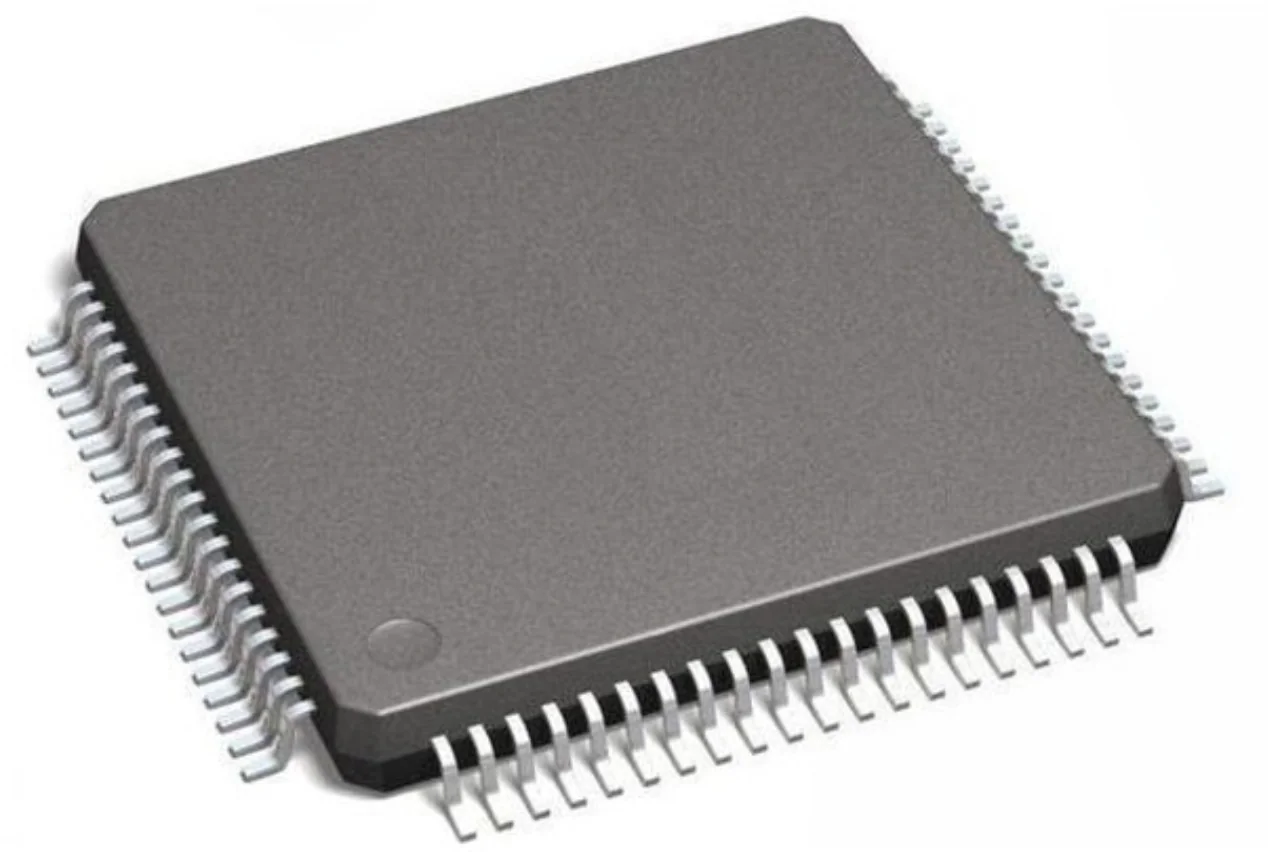
Package selection can have a direct effect on PCB layout, thermal behavior, assembly processes, and available board space. Two components with similar functional capabilities may still require different design approaches because of package dimensions or pin arrangements.
Production planning introduces another layer of consideration. Prototype development, pilot manufacturing, and recurring production can require very different quantities and delivery schedules. A component that is easy to locate in small quantities may need a different sourcing strategy once demand increases.
This is also a reason why stmicroelectronics authorized distributors should be evaluated through more than price comparisons. Exact part-number identification, inventory information, manufacturer documentation, and purchasing flexibility can all influence whether a sourcing channel fits the project.
Review Supplier Quality And Traceability
Semiconductor procurement involves information that extends beyond the component description. Buyers may need manufacturer details, packaging information, date codes, certificates, inspection records, or other documentation depending on the application and internal quality requirements.
Traceability becomes particularly relevant in automotive, medical, and industrial environments, where component records can form part of a broader procurement process. Clear documentation helps engineering and purchasing teams establish whether the received material corresponds with the intended BOM entry.
At Mayhwa, we source electronic components through a global supplier network and maintain inventory resources in Shenzhen and Hong Kong. Our published quality process includes visual inspection, origin validation, 200× magnification, solderability testing, X-ray non-destructive testing, ESD-controlled storage, and final inspection. These measures are part of how we approach component verification and order processing.
Consider Supply Capability Alongside Technical Fit
A technically compatible MCU still needs to be available at the right stage of the project. Procurement teams may therefore examine supplier coverage, inventory depth, sourcing channels, order quantities, and communication efficiency alongside the engineering specification.
We at Mayhwa serve customers across automotive, medical, industrial, and other electronics sectors, supporting component requirements that can range from individual part searches to broader BOM sourcing. A distributor that can adapt to these changing demands throughout the product lifecycle often proves more valuable than one that simply offers the lowest price at a single point in time.
When reviewing stmicroelectronics distributor candidates, buyers can also ask how the supplier handles changes in quantity, replacement requirements, or project schedules. Such questions become increasingly relevant as a product moves from initial design toward repeat procurement.
Conclusion
An effective MCU sourcing decision begins with the application rather than the supplier catalog. Processing requirements, memory, peripherals, power characteristics, package constraints, documentation, and production plans each contribute to the final selection, while procurement adds another perspective through availability and sourcing capability.
Businesses comparing stmicroelectronics authorized distributors can use these criteria to build a more structured evaluation process instead of relying on a single purchasing metric. At Mayhwa, we combine international supplier resources with regional inventory and component verification procedures, giving engineering and purchasing teams a practical foundation for managing STMicroelectronics-related component requirements across different project stages.