Industrial electronic equipment depends on more than processors and power circuits. Small nonvolatile memory devices often preserve configuration values, calibration data, identification codes, and operating parameters even after power is removed. Selecting suitable memory involves more than checking storage capacity; interface type, voltage, package size, endurance, and software requirements can all influence system design.
For engineers and purchasing teams, working with microchip authorized distributors can also provide a useful reference point when verifying device identity and supply information. At Mayhwa, we approach component sourcing with attention to technical specifications, traceability, and the practical requirements of each application.
Understanding Small EEPROM Devices
EEPROM is a form of nonvolatile memory that retains stored information without continuous power. Unlike volatile memory, it can preserve selected data through shutdowns or power interruptions, making it useful for equipment that needs to remember settings between operating cycles. A small memory device may store only a modest amount of information, yet that capacity can be sufficient for configuration records, sensor parameters, serial numbers, or manufacturing data.
The distinction between memory capacity and application requirements deserves careful consideration. A control board does not necessarily need a large storage device if its stored information consists mainly of short parameter sets. In such cases, compact EEPROM technology can provide a practical balance between board area, interface requirements, and data retention. Engineers evaluating microchip distributors should examine the exact memory organization rather than relying only on a general description such as “serial EEPROM.”
Interface architecture also affects firmware development. Single-wire communication, for instance, can reduce the number of connections required between a controller and memory device, which may be valuable on space-constrained boards. The selected protocol influences addressing, timing, software routines, and debugging procedures, so the memory component should be considered alongside the microcontroller rather than as an isolated part.
Why Memory Interface Matters
Communication protocols shape both hardware layout and firmware behavior. A memory interface using fewer signal lines can simplify routing, but the controller must still support the required communication method and timing characteristics. Engineers should review protocol commands, address handling, write cycles, and data-access procedures before finalizing the circuit.
Voltage compatibility is another important checkpoint. The memory device, host controller, and surrounding logic should operate within compatible electrical ranges. Even a component with the desired capacity may become unsuitable if its operating voltage or input thresholds do not match the rest of the design. Documentation from microchip authorized distributors can be useful during this stage because precise ordering information and device variants matter.
Applying EEPROM in Industrial Systems
Industrial controllers frequently need to remember information that should remain available after a restart. Calibration constants, machine settings, identification parameters, and selected maintenance records are common examples. Because these values can affect equipment behavior, engineers should consider how often data is written and whether the memory technology is appropriate for the expected operating pattern.
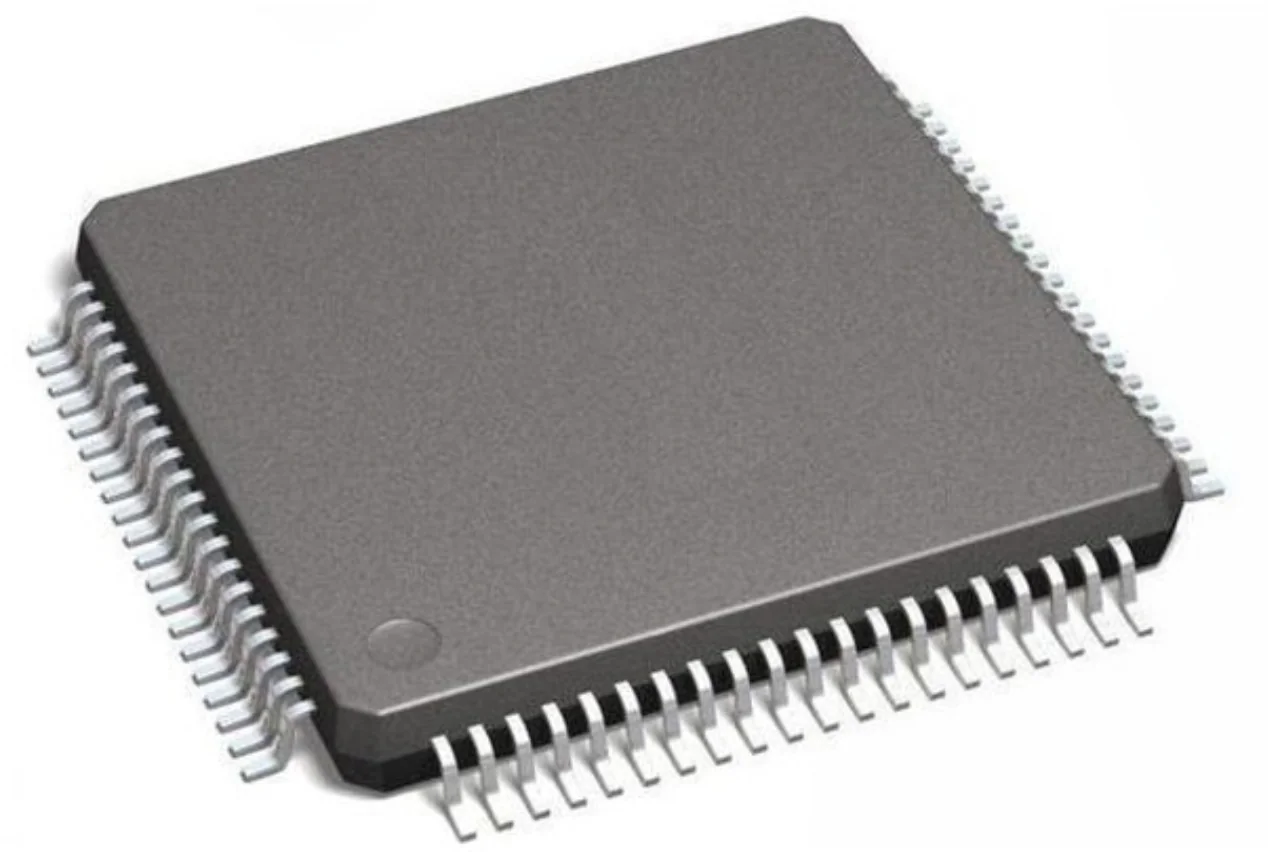
One specific example is the 11AA010T-I/TT, a Microchip 1-Kbit single-wire EEPROM supplied in an SOT23-3 package. The device is listed as available in stock, while its compact three-pin package and single-wire interface illustrate how modest memory requirements can be addressed without allocating a large amount of board space. For teams comparing options through microchip distributors, examining the exact model description alongside package and interface details helps distinguish closely related memory products.
Write frequency deserves particular attention in industrial applications. Parameters that change only occasionally place different demands on EEPROM from counters or logs that are updated continuously. Designers can reduce unnecessary write activity through software strategies such as caching values in volatile memory and committing changes only at suitable intervals. Data structure can also be arranged so that limited memory capacity is used efficiently.
Evaluating Components Before Procurement
Technical verification should begin with the manufacturer’s part number rather than a broad component category. Small differences in suffixes can indicate variations in package, temperature range, interface characteristics, or ordering format. A purchasing workflow that records these details reduces the risk of substituting a visually similar but electrically different component.
Supply information matters as well, particularly for industrial equipment expected to remain in production for extended periods. Microchip authorized distributors can be one source for checking ordering information, while independent distributors may provide additional sourcing channels. Regardless of the route, buyers should compare manufacturer documentation, date or lot information where relevant, packaging details, and available traceability records before placing an order.
At Mayhwa, we treat technical verification as part of the sourcing process rather than a separate administrative step. Our work covers electronic component procurement across different application areas, so we pay attention to specifications, supplier information, stock conditions, and documentation when evaluating parts. This approach can help engineering and purchasing teams communicate more clearly, particularly when a project depends on a specific memory architecture or package.
Conclusion
Reliable industrial electronics are built from many small design decisions, and memory selection is one of them. Capacity alone rarely tells the whole story: interface architecture, voltage compatibility, package dimensions, write behavior, and procurement details all influence whether a memory component fits a particular system. Careful comparison also makes it easier to distinguish genuinely suitable parts from alternatives that merely appear similar in a catalog.
For engineering teams, microchip distributors can provide useful sourcing options, while technical documentation remains essential for confirming device-level compatibility. The same principle applies throughout the purchasing process: a precise part number, verified specification, and clear supply information are more valuable than a broad component description. We at Mayhwa work with customers from this practical perspective, combining component sourcing experience with attention to the technical details that matter during industrial electronics development.