Modern electronic systems depend on countless interactions between sensors, processors, power circuits, interfaces, and signal-conditioning stages. A component may perform a relatively narrow function, yet its electrical characteristics can influence the behavior of an entire circuit.
Engineers researching ADI electronics authorized distributors often need to look beyond basic availability and consider specifications, package options, lifecycle information, and application requirements. At Mayhwa, we approach these purchasing questions from a practical perspective, focusing on the technical details that matter before a component enters a production design.

Understanding Analog Functions In System Design
Analog circuitry remains essential even as digital processing becomes more sophisticated. Sensors generally produce physical measurements as electrical signals, while processors require signals within specific voltage and timing ranges. Amplifiers, references, converters, filters, and interface circuits help bridge these different domains so that digital systems can interpret real-world information.
Voltage references provide a useful example. Their purpose is to establish a known voltage against which another electrical value can be compared. Accuracy, temperature behavior, current requirements, output characteristics, and noise can all influence the suitability of a reference in measurement or conversion circuitry. Engineers should examine these parameters in relation to the surrounding circuit rather than treating one specification as the sole selection criterion.
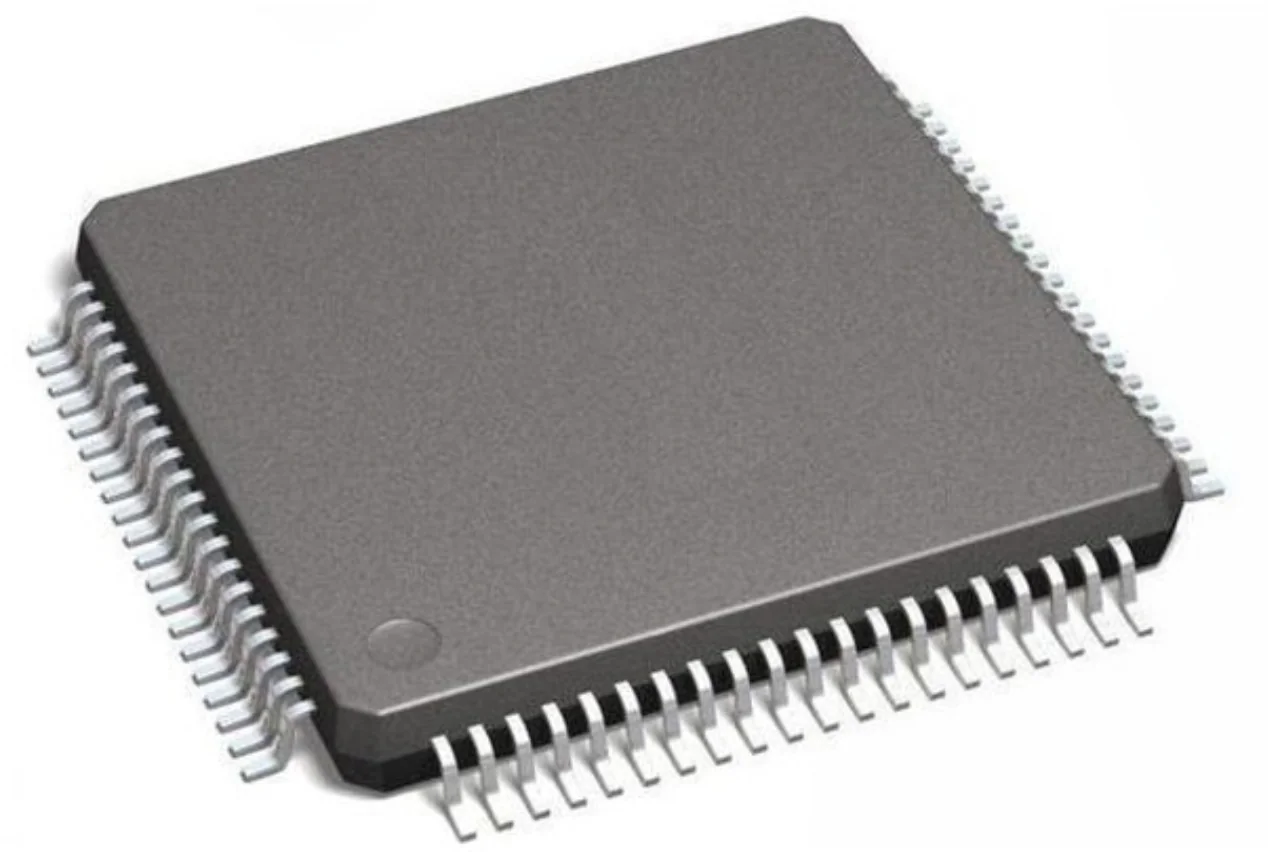
Package characteristics deserve equal attention during procurement. A component with the right electrical function may still be unsuitable if its physical package conflicts with the PCB layout or assembly process. Analog devices distributors can provide access to different ordering variants, but engineers should verify the exact package, suffix, and specification before approving a component.
Evaluating Precision Components
Precision devices are often selected according to the operating environment in which they will function. Industrial equipment, instrumentation, communication systems, and portable electronics can impose very different requirements. Temperature range, supply variation, board space, power consumption, and expected operating life may all affect the final decision.
One example is the Analog Devices AD1583ARTZ-REEL7, identified as an IC voltage reference in a SOT-23-3 package with a 1% specification. Its compact surface-mount format illustrates how package dimensions can become part of the engineering decision alongside the electrical role of a reference device. Stock availability is another practical consideration for buyers preparing prototypes or production schedules.
A datasheet comparison should also distinguish between functional similarity and true interchangeability. Two reference devices might serve the same broad purpose while differing in voltage characteristics, tolerance, temperature performance, pin configuration, or package format. Procurement teams working with ADI electronics authorized distributors should keep the original engineering requirements visible throughout the sourcing process.
Connecting Technical And Supply Requirements
Component selection does not end once an engineering team identifies a suitable part. Purchasing teams also need information about quantities, inventory, delivery expectations, packaging, documentation, and sample availability. These factors become increasingly relevant as a project moves from prototype development toward recurring production.
Samples can provide useful confirmation before larger quantities are purchased, particularly when engineers need to examine component quality or verify assembly behavior. At Mayhwa, we can provide samples for evaluation and draw from available inventory when customers have time-sensitive requirements. Competitive pricing is considered alongside quantity, stock conditions, and the practical requirements of each order.
Supply information should remain transparent throughout the purchasing cycle. A quotation that lists available material may still require confirmation of physical quantity, warehouse location, packaging condition, or expected shipment timing. Analog devices distributors can support procurement by providing sourcing options, but buyers should retain clear records of the exact material, supplier information, and purchasing conditions associated with each order.
Building A More Reliable Procurement Process
Quality assessment becomes especially important when components are incorporated into products that will operate for extended periods. Depending on the application, buyers may review markings, packaging, date codes, lot information, certificates, and inspection records. More detailed electrical or functional testing can be considered where component risk or application requirements justify it.
Traceability also has value beyond the initial shipment. Maintaining purchasing and inspection records allows engineering and procurement teams to investigate discrepancies, compare recurring batches, and reference previous sourcing decisions. Clear documentation can make future procurement discussions more efficient because the relevant component history is already available.
Supplier communication should form part of the evaluation as well. At Mayhwa, we keep discussions centered on specifications, availability, samples, pricing, and other purchasing details that affect the customer’s actual requirements. For teams assessing ADI electronics authorized distributors, responsiveness and documentation can be considered alongside product access rather than treated as separate concerns.
Conclusion
Analog components continue to provide the connection between physical measurements and digital decision-making, making their characteristics relevant far beyond the individual part number printed on a purchasing document. Careful evaluation of electrical specifications, package requirements, environmental conditions, quality information, and supply details gives engineers and buyers a clearer basis for component decisions. The most useful procurement process is one that keeps technical judgment connected with practical purchasing realities.
Our team at Mayhwa supports that process through available inventory, sample opportunities, sourcing resources, and direct communication around customer requirements. We recognize that a compact reference device, a signal-conditioning component, or another analog part may occupy only one position on a schematic while still influencing the wider system. Working thoughtfully with analog devices distributors can help procurement teams maintain that connection between component selection, supply information, and real-world electronic design.