Industrial automation depends on electronic circuits that can interpret sensor signals, regulate voltage, communicate data, and respond consistently to changing operating conditions. A small variation in an analog stage can influence measurement accuracy or system behavior, which makes component selection more than a purchasing exercise. Engineers evaluating analog IC suppliers often examine electrical specifications, package formats, operating environments, availability, and documentation together. At Mayhwa, we approach these requirements from a practical sourcing perspective, helping customers consider component characteristics alongside real production needs.

Understand The Role Of Analog Components
Automation equipment frequently works with signals generated by temperature, pressure, current, position, and other sensors. These signals may require conditioning before reaching a controller or data-conversion stage. Amplification, filtering, voltage regulation, and reference generation each serve different functions, and the appropriate device depends on the signal range and circuit architecture.
Voltage references deserve particular attention in precision applications. They provide a known electrical point against which another voltage can be compared, making them useful in measurement circuits and analog-to-digital conversion. Factors such as reference accuracy, temperature behavior, operating current, output configuration, and package size can influence whether a particular device suits an industrial design.
Procurement teams should also distinguish between nominally similar parts. A component with the same general function may have different tolerance, temperature characteristics, package dimensions, or electrical limits. Analog devices distributors can provide access to multiple device options, but engineering specifications should remain the basis for evaluating possible replacements.
Consider Precision And Operating Conditions
Industrial environments can expose electronics to temperature variation, electrical noise, vibration, and prolonged operating periods. Component selection consequently needs to reflect the conditions surrounding the circuit rather than laboratory specifications alone. Engineers may need to examine temperature range, drift, supply requirements, noise, and long-term electrical behavior before approving a device.
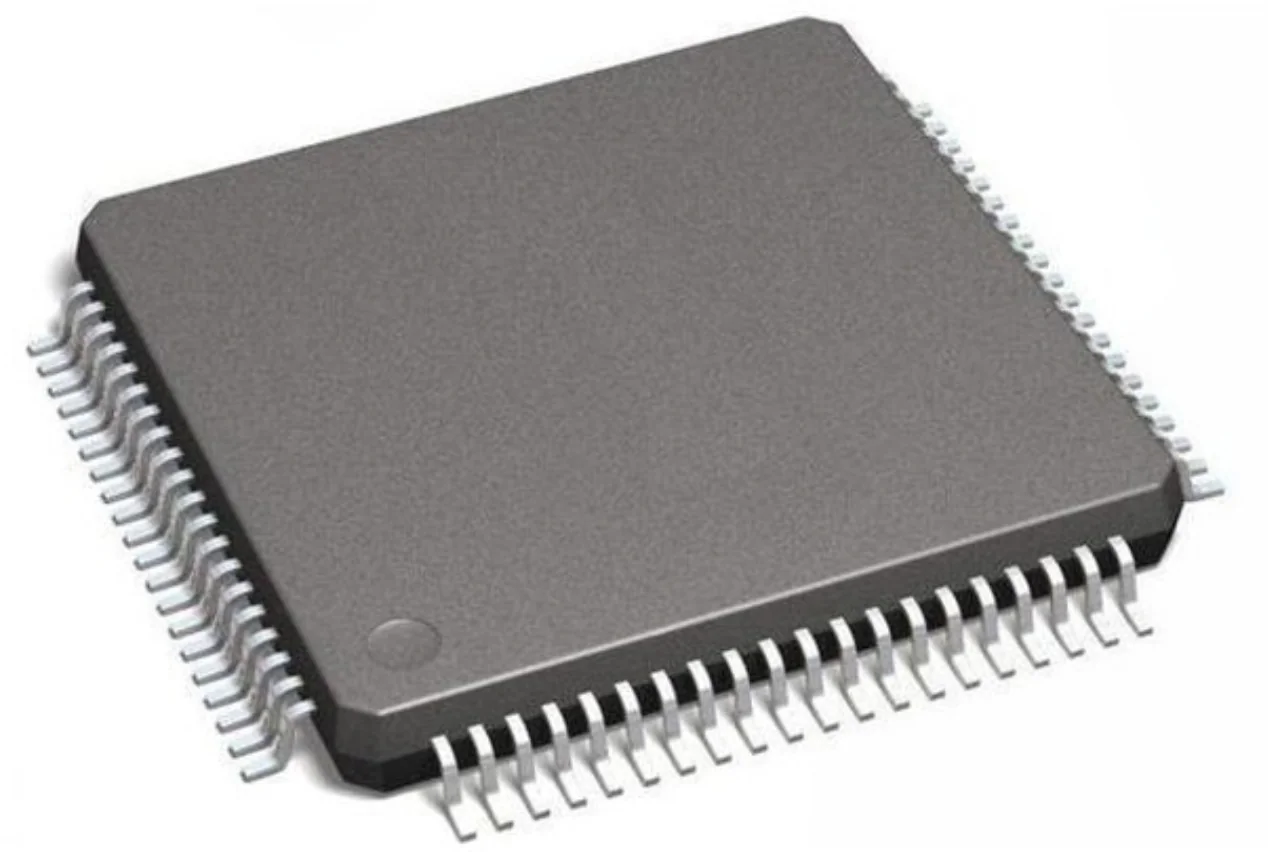
One relevant example is the Analog Devices AD1580ART-REEL, an IC shunt voltage reference specified at 0.82% and supplied in a SOT23-3 package. The compact package can be useful where board space matters, while the reference function makes the device relevant to circuits that require a defined voltage reference. Its available stock is also a practical consideration for buyers planning near-term procurement.
Beyond the electrical data itself, package selection can affect assembly and maintenance. Surface-mount devices may suit automated PCB production, whereas other package formats can be preferred under specific mechanical or environmental constraints. Discussions with analog IC suppliers should consequently cover the actual package and ordering variant rather than stopping at the basic device family.
Evaluate Supply And Quality Information
Availability has several dimensions. A supplier may show inventory while the quantity, warehouse location, packaging condition, or delivery timing still requires confirmation. Production planners should distinguish physically available material from expected replenishment, especially when a particular component is tied to an upcoming manufacturing schedule.
Quality information provides another useful checkpoint. Buyers can review manufacturer identification, part markings, packaging, date codes, lot information, certificates, and inspection records according to the risk level of the application. Clear records become particularly valuable when components are purchased repeatedly or when engineering teams need to trace a particular shipment.
At Mayhwa, we work with customers around these practical details rather than treating stock as the only purchasing factor. We can provide available inventory for urgent requirements and offer samples when customers want to assess component quality before larger quantities are purchased. Competitive pricing can then be considered alongside quantity, availability, and project requirements.
Improve Procurement Decisions For Automation Projects
Supplier evaluation works better when procurement and engineering teams share the same information. Part numbers, specifications, package details, quantities, delivery expectations, and documentation requirements should be recorded consistently. Such coordination reduces the chance that a commercial substitution will be considered without sufficient technical review.
The role of analog devices distributors can extend beyond supplying individual parts. Access to broader sourcing channels may help procurement teams investigate availability, compare variants, and respond to changing demand. Still, supplier breadth should be assessed together with communication quality, documentation, inspection practices, and the ability to handle project-specific requirements.
A sensible purchasing process also includes periodic supplier reviews. Delivery performance, response time, quality findings, quotation consistency, and stock accuracy can reveal whether a sourcing relationship remains suitable as production develops. At Mayhwa, we keep customer communication focused on these practical factors, combining sourcing resources with inventory, sample support, and commercial flexibility.
Conclusion
Industrial automation places demanding requirements on electronic design, and analog components often occupy a particularly sensitive position within measurement and control circuits. Careful evaluation of accuracy, temperature behavior, package characteristics, quality records, inventory conditions, and supplier responsiveness gives buyers a more useful basis for procurement decisions than price alone. The right assessment process should reflect both the circuit’s technical demands and the realities of production.
Our approach at Mayhwa centers on practical support throughout that decision process. We provide access to inventory, samples, sourcing resources, and competitive purchasing options while keeping the discussion tied to customer requirements. Teams comparing analog IC suppliers can benefit from applying the same disciplined evaluation to every critical component, especially where signal accuracy and stable industrial operation matter.