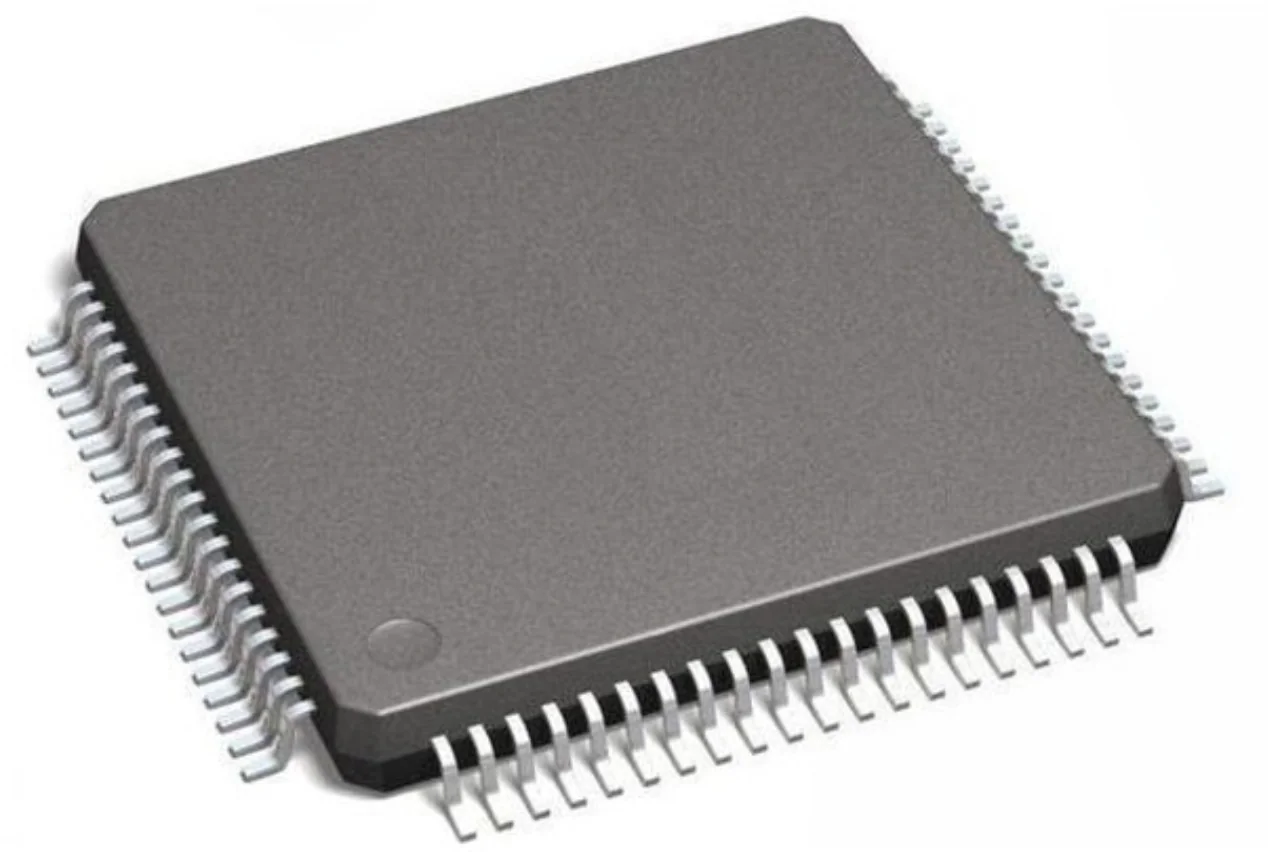
A distributor can look convincing on paper while still leaving important questions unanswered. OEM buyers and engineers need to examine more than pricing or apparent stock before placing an order, particularly for precision components where package, electrical characteristics, and traceability matter. Comparing analog devices authorized distributors calls for a practical review of sourcing information, product documentation, inventory conditions, and communication. At Mayhwa, we approach these checks from the buyer’s perspective, focusing on the details that can influence component selection and purchasing decisions.

Check Product And Manufacturer Information
Part-number accuracy should be the first checkpoint. A quotation needs to match the exact manufacturer reference, package, suffix, temperature range, and other ordering details specified by the engineering team. Similar-looking part numbers can represent different electrical characteristics or packaging configurations, so copying a description without checking the original reference can create unnecessary procurement risk.
Package information deserves particular attention. A component intended for a specific board footprint may not be interchangeable with another version simply because the basic function appears similar. Buyers working with analog devices distributors should compare the supplier’s description against manufacturer documentation, especially for older, specialized, or less frequently purchased devices.
A useful example is the ADI 8503003YA, described as an IC voltage reference in a 14-CERDIP package, with the listing identifying it as an IC VREF series device in a 14-CDIP configuration. Details such as the ceramic package and exact ordering reference can matter considerably in applications where mechanical or environmental requirements restrict available alternatives.
Examine Authorization And Supply Channels
Authorization status should be treated as a specific claim that can be verified rather than a marketing phrase. Buyers can examine whether a supplier provides clear information about its relationship with the manufacturer, sourcing channels, documentation, and purchasing history. Independent distribution can also be legitimate, but the procurement process should account for how material is sourced and what records accompany it.
Inventory claims require similar scrutiny. “In stock” may refer to physically available units, inventory held at another location, or material that can be obtained through another channel. Asking about quantity, warehouse location, packaging, date codes, and shipment timing provides a more realistic picture of availability.
For buyers comparing analog devices authorized distributors, documentation is particularly useful when component authenticity and traceability are important. At Mayhwa, we work with sourcing information, available inventory, and inspection-related records so customers can review purchasing details with greater clarity. We also provide samples where appropriate, giving engineering teams an opportunity to assess components before committing to larger quantities.
Evaluate Quality And Purchasing Support
Quality review should reflect the application and component category. Visual inspection may cover package condition, markings, labels, and signs of handling, while more detailed electrical or functional testing can be considered for higher-risk requirements. No single inspection method applies equally to every device, so the process should correspond to the component’s characteristics and intended use.
Traceability provides another valuable reference point. Records involving supplier information, lot details, date codes, certificates, inspection results, and shipment documentation can help procurement teams investigate discrepancies and maintain continuity across repeat orders. Buyers should also clarify how unusual findings are documented and communicated before establishing recurring purchasing arrangements.
Commercial support deserves attention alongside technical checks. At Mayhwa, we discuss quantity, availability, sample requirements, and pricing according to each purchasing situation rather than treating every quotation in the same way. Customers comparing analog devices distributors can use these conversations to assess not only the quoted component but also the supplier’s ability to respond to practical questions.
Build A Verification Process Before Ordering
A structured checklist makes supplier evaluation easier to repeat. Start with the exact part number, then review manufacturer information, package details, lifecycle status, stock condition, traceability, quality documentation, pricing, and delivery expectations. Keeping these items in one purchasing record helps engineering and procurement teams work from the same information.
Communication during the quotation stage can reveal useful differences between suppliers. A capable sourcing partner should be able to clarify ambiguous specifications, distinguish physical inventory from expected availability, and provide relevant supporting information. Buyers should remain cautious about unusually attractive offers that lack sufficient documentation or contain inconsistent product descriptions.
Long-term supplier assessment should rely on actual performance as well. Delivery accuracy, response speed, quality findings, documentation consistency, and handling of unexpected issues can be tracked across multiple orders. This evidence gives procurement teams a more realistic basis for judging analog devices authorized distributors than a single successful transaction.
Conclusion
Verifying a distributor is ultimately an exercise in evidence. Product identity needs to match the engineering requirement, supply information should be transparent, and quality records must be appropriate to the component and application. Looking at these factors together gives buyers a stronger foundation than relying on price, stock labels, or promotional claims in isolation.
At Mayhwa, we support purchasing decisions through available inventory, sample opportunities, sourcing resources, and direct communication around customer requirements. We recognize that different projects call for different levels of verification, so we keep the discussion focused on the component, its application, and the purchasing conditions involved. A careful review of analog devices distributors can help OEM teams make more informed decisions before an order enters production.