Memory sits quietly behind many embedded functions, yet its characteristics can shape an entire system architecture. Controllers used in industrial equipment, instrumentation, communication devices, and automation platforms may need external storage for temporary data, communication buffers, configuration values, or application variables.
Capacity is only one part of the decision; interface method, access speed, package dimensions, voltage compatibility, and firmware support deserve equal attention. Engineers consulting microchip technology authorized distributors may also find useful sourcing information during component evaluation. At Mayhwa, we look at these technical details alongside procurement requirements so that memory selection reflects the actual application rather than a generic catalog description.

The Role Of External Memory
Microcontrollers increasingly integrate substantial memory resources, but internal capacity does not always match the needs of every embedded application. Data acquisition equipment, display systems, communication modules, and industrial controllers may require additional working space as software functions expand. External memory provides another architectural option without necessarily replacing the processor itself.
SRAM differs from nonvolatile memory in a fundamental way: stored information disappears after power is removed. Its strength lies in rapid temporary data access during normal operation. Buffers, intermediate calculations, communication packets, and runtime variables are typical examples. Understanding this distinction helps engineers assign each type of memory to a task that matches its electrical behavior.
Interface selection further influences the overall design. Serial protocols can reduce the number of PCB connections compared with parallel architectures, which may be valuable when board space is restricted. SPI is particularly familiar in embedded development because controllers can communicate with external devices through a defined command and clock structure. Information from microchip distributors can assist with comparing available device variants, while firmware and circuit requirements determine whether a particular interface is suitable.
Evaluating SPI SRAM Characteristics
SPI-based SRAM transfers information through serial communication rather than exposing a broad parallel address and data bus. The arrangement can simplify board routing and reduce pin usage, although each transaction still depends on the protocol implemented by the host controller. Designers should review command formats, addressing behavior, clock requirements, and chip-select operation before incorporating such memory into firmware.
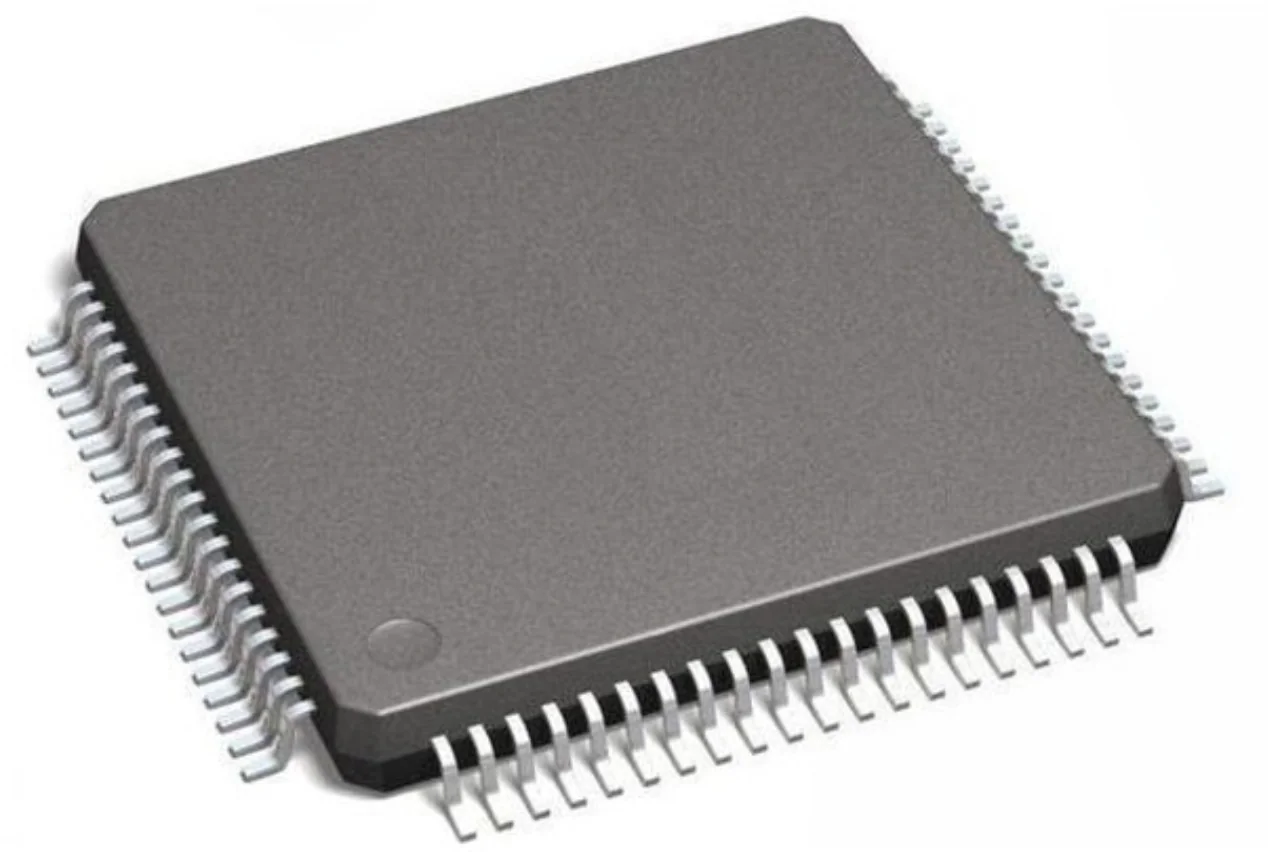
The 23K256-I/SN provides a practical example of this category. It is a Microchip 256-Kbit SRAM device in an 8-SOIC package, with SPI communication specified at up to 20 MHz. Such characteristics illustrate how external working memory can be added to an embedded platform while maintaining a relatively compact package footprint. Engineers comparing options through microchip technology authorized distributors should examine the exact manufacturer model, package, memory density, and interface rather than relying on capacity alone.
Data-transfer requirements deserve particular attention once external SRAM enters the architecture. A system that frequently exchanges small blocks may behave differently from one that occasionally transfers larger buffers. Firmware developers can organize data structures and communication routines around these patterns, while hardware engineers should consider signal routing and clock behavior at the intended operating frequency.
Memory Selection In Embedded Architecture
Application behavior should guide memory sizing. A controller managing several communication channels may consume RAM rapidly through receive and transmit buffers, whereas a simpler sensing device might require considerably less temporary storage. Estimating peak usage is more informative than looking only at the average workload because short bursts can create the highest memory demand.
Package selection brings physical constraints into the discussion. An 8-SOIC device occupies a different PCB area and follows different assembly considerations from smaller surface-mount packages. Component height, placement density, inspection access, and rework requirements can all influence which package works best for a particular board.
Electrical compatibility deserves the same level of attention. The host controller must communicate within the memory’s specified voltage and timing conditions, while the PCB layout should account for power integrity and digital signal quality. Microchip distributors may provide useful procurement channels for comparing specific variants, but engineering teams should still refer to manufacturer documentation when checking electrical characteristics and operating conditions.
Building A Sound Procurement Process
A reliable sourcing workflow starts with a precise bill of materials. Instead of listing only “256-Kbit SPI SRAM,” engineers can specify the manufacturer, exact ordering code, package, interface, speed requirement, and applicable environmental conditions. This level of detail makes component comparisons more meaningful and reduces confusion between devices with similar descriptions.
Supply considerations can become especially important during prototype development and production transitions. Stock status, packaging information, manufacturer identification, and available documentation may influence whether a component is practical for immediate procurement. Microchip technology authorized distributors represent one channel that purchasing teams may investigate when reviewing manufacturer-specific sourcing options.
At Mayhwa, we work with electronic component requirements from both technical and purchasing perspectives. Our approach considers part specifications, sourcing information, inventory conditions, and documentation together rather than treating procurement as a simple product lookup. This can be particularly useful when several memory devices share similar densities but differ in communication methods, packages, or operating characteristics.
Conclusion
The value of external memory becomes clearer once its role is viewed within the entire embedded architecture. SRAM can provide additional working space for runtime information, while a serial interface can help conserve processor pins and simplify board routing. Yet those advantages only make sense after the application’s data behavior, timing requirements, electrical conditions, and physical constraints have been examined together.
A thoughtful selection process also extends beyond the schematic. Microchip distributors can be part of the sourcing landscape, while manufacturer documentation remains essential for verifying the technical details of a specific component. From our perspective at Mayhwa, effective component sourcing means connecting those specifications with real design requirements, giving engineering teams a clearer basis for evaluating memory solutions as embedded systems become more capable and increasingly compact.