Reliable data retention is often built into embedded systems through memory devices that occupy very little physical space. Configuration values, calibration parameters, identification codes, and user-defined settings may all need to remain available after a system shuts down. EEPROM is particularly useful for these tasks because it combines nonvolatile storage with relatively simple serial communication.
During component research, microchip authorized distributors can be one source for identifying manufacturer-specific options and ordering details. At Mayhwa, we consider memory capacity, interface requirements, package constraints, and application conditions together so that sourcing decisions reflect the actual circuit rather than a generic product category.
Understanding EEPROM In Embedded Systems
EEPROM serves a different purpose from working memory such as SRAM. Its principal value comes from retaining selected information without continuous power, which makes it suitable for parameters that must survive a restart. A controller can retrieve those values during initialization and continue operating with settings established during an earlier session.
Memory density should match the data structure rather than simply being as large as possible. A small embedded controller may need only a few bytes for calibration coefficients or device identification, while a more sophisticated platform could require substantially more space. Reviewing the actual amount of persistent information helps avoid unnecessary memory allocation and keeps the hardware architecture easier to understand.
Interface architecture introduces another consideration. I2C uses a shared two-wire bus, allowing compatible peripherals to communicate with the controller without requiring a separate group of signal lines for every device. Such an arrangement can be convenient in compact designs containing sensors, expanders, converters, and memory. Information from microchip distributors can help purchasing teams compare available variants, but protocol compatibility remains a hardware and firmware question.
Matching I2C Memory With Application Needs
I2C communication relies on clock and data lines, with devices distinguished through addressing. Multiple peripherals can coexist on the same bus, although designers need to account for address conflicts, pull-up resistors, bus capacitance, and the electrical characteristics of connected devices. These details become increasingly relevant as more peripherals are added.
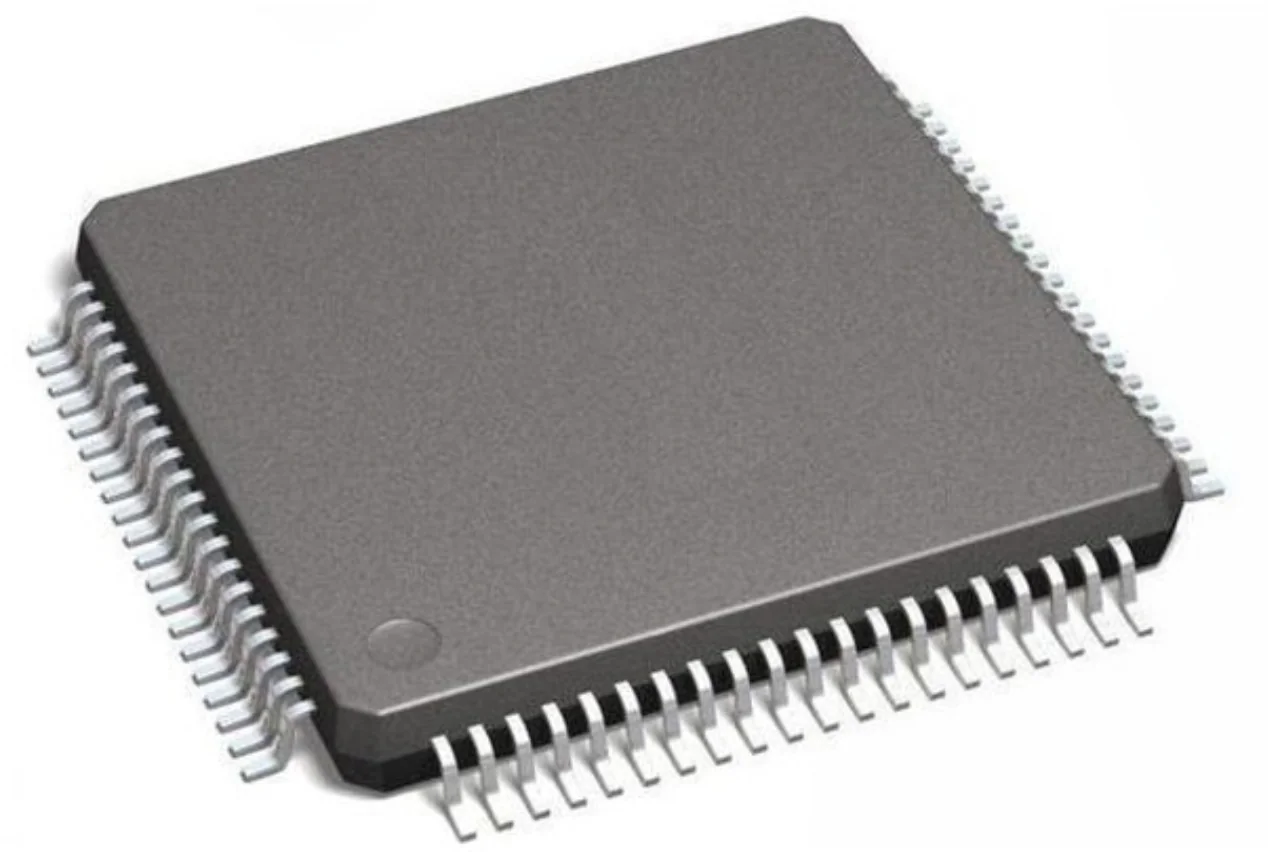
A practical example is the 24AA01T-I/LT, a Microchip 1-Kbit EEPROM specified with an I2C interface and an SC70-5 package. The listed device is available in stock, while its compact package and modest storage capacity illustrate a common approach to adding dedicated nonvolatile memory to space-conscious embedded hardware. For purchasing teams comparing microchip authorized distributors, the exact ordering code, package, interface, and memory organization should be checked rather than treating all 1-Kbit EEPROM devices as interchangeable.
Software behavior deserves equal attention. EEPROM access is not identical to ordinary RAM operations, and firmware normally has to account for write-cycle timing and device-specific communication sequences. Applications that modify settings only during configuration may place relatively light demands on the memory, whereas systems that repeatedly update the same locations require a more deliberate approach to data placement.
Key Factors In EEPROM Selection
Electrical compatibility should be checked before mechanical considerations receive too much attention. The memory’s operating voltage, logic thresholds, timing characteristics, and bus behavior need to fit the host controller and surrounding circuitry. A device that matches the required capacity but operates outside the intended electrical conditions may not be suitable for the design.
Package selection also affects practical board development. Smaller packages can help conserve PCB area, but reduced pin spacing may influence assembly equipment, inspection methods, and rework procedures. SC70-class packages, for example, can suit compact layouts where every millimeter matters, yet the assembly process must still accommodate the selected footprint.
Environmental conditions add another layer to the decision. Industrial equipment can experience temperature changes, electrical noise, vibration, or long periods of continuous operation. Reviewing manufacturer specifications gives the design team a clearer picture of applicable operating conditions. Microchip distributors can provide sourcing information for particular variants, while technical documentation remains the reference for electrical and environmental evaluation.
Building A Smarter Procurement Workflow
A useful purchasing specification starts with the application instead of the supplier catalog. Memory type, density, interface, package, operating conditions, and relevant timing requirements can be documented before supplier comparison begins. With those parameters defined, it becomes easier to distinguish a genuine match from a component that merely looks similar.
Availability is another practical concern. Prototype schedules and production planning can be affected by stock conditions, packaging variations, or uncertainty around a specific ordering code. Checking manufacturer information and sourcing records alongside inventory status gives purchasing teams more context when reviewing different channels.
At Mayhwa, we approach component sourcing from both technical and procurement perspectives. We review manufacturer details, specifications, stock information, and supporting documentation as part of the selection process. This working method helps us communicate more clearly with customers who need a particular memory architecture, package, or interface rather than a broad category of EEPROM.
Conclusion
Selecting EEPROM for embedded equipment involves a series of connected decisions rather than a single capacity check. The amount of information that must survive a power cycle, the communication bus already present on the board, the physical footprint, firmware behavior, and operating environment can all influence the final choice. A compact I2C memory device may be highly suitable for one controller while another application could call for a different architecture.
Sourcing should follow the same application-focused logic. Microchip authorized distributors may form part of a purchasing review, while exact manufacturer specifications provide the technical basis for assessing compatibility. We at Mayhwa take this broader view when we handle electronic component requirements, looking beyond a catalog description to understand how the selected memory fits the circuitry, software, and practical demands of the finished system.