Memory selection can quietly determine how an embedded system behaves after startup, during data processing, and across repeated power cycles. EEPROM and SRAM may both appear in compact digital designs, yet they serve fundamentally different purposes. One retains selected information without power, while the other provides fast temporary workspace during active operation.
For teams researching microchip technology authorized distributors, understanding that distinction is useful before comparing individual devices or sourcing channels. At Mayhwa, we approach these decisions from the component side as well as the application side, considering how memory characteristics fit the circuit, firmware, and operating environment.

How EEPROM And SRAM Store Data
EEPROM is nonvolatile memory, meaning information stored within it remains available after the system loses power. Embedded products commonly use this characteristic for configuration parameters, calibration values, identification data, and other information that needs to persist between operating sessions. Storage capacity is often modest because these applications usually involve structured datasets rather than large files.
SRAM takes a different approach. Its contents depend on continuous power, but it provides convenient read and write access for information that exists during normal operation. Communication buffers, temporary calculations, stack-related data, and intermediate processing values can all reside in SRAM. This makes it particularly useful when the processor needs frequent access to changing information.
The difference becomes clearer by considering the system’s startup sequence. A controller may retrieve persistent settings from EEPROM after power is restored, then place temporary working information into SRAM as the application begins running. Microchip distributors may offer devices suited to either role, but the memory technology should first be selected according to how the data needs to behave.
Comparing Access And Persistence
Data retention is one of the most important distinctions between these memory types. EEPROM is designed to preserve selected information without an active power supply, which suits settings that must survive shutdowns. SRAM, by contrast, loses its stored contents once power is removed, making it unsuitable for permanent configuration storage unless another mechanism preserves the information.
Write behavior also differs. EEPROM writes typically involve device-specific timing and communication procedures, so firmware needs to account for those characteristics. SRAM generally supports straightforward runtime read and write operations, allowing rapidly changing information to be handled more naturally during active processing.
Speed and workload should be viewed together rather than in isolation. A controller repeatedly updating a communication buffer may benefit from the access characteristics of SRAM, whereas a parameter that changes only during setup may be better suited to nonvolatile storage. During sourcing reviews, microchip technology authorized distributors can be considered among the available procurement channels, while the application’s data flow should determine which memory category belongs in the design.
Understanding Interface And Capacity Choices
Serial interfaces can influence PCB layout as much as memory technology itself. SPI, for example, communicates through clock and data connections and can provide access to external memory without requiring a large parallel bus. I2C follows another serial architecture and allows multiple compatible peripherals to share a common bus through device addressing.
Capacity should reflect actual data requirements. A small persistent dataset does not automatically justify a large memory array, just as a system with substantial runtime buffering may outgrow the internal RAM available inside its controller. Estimating peak storage demand, transaction frequency, and future firmware expansion provides a more useful basis for selection than comparing density figures alone.
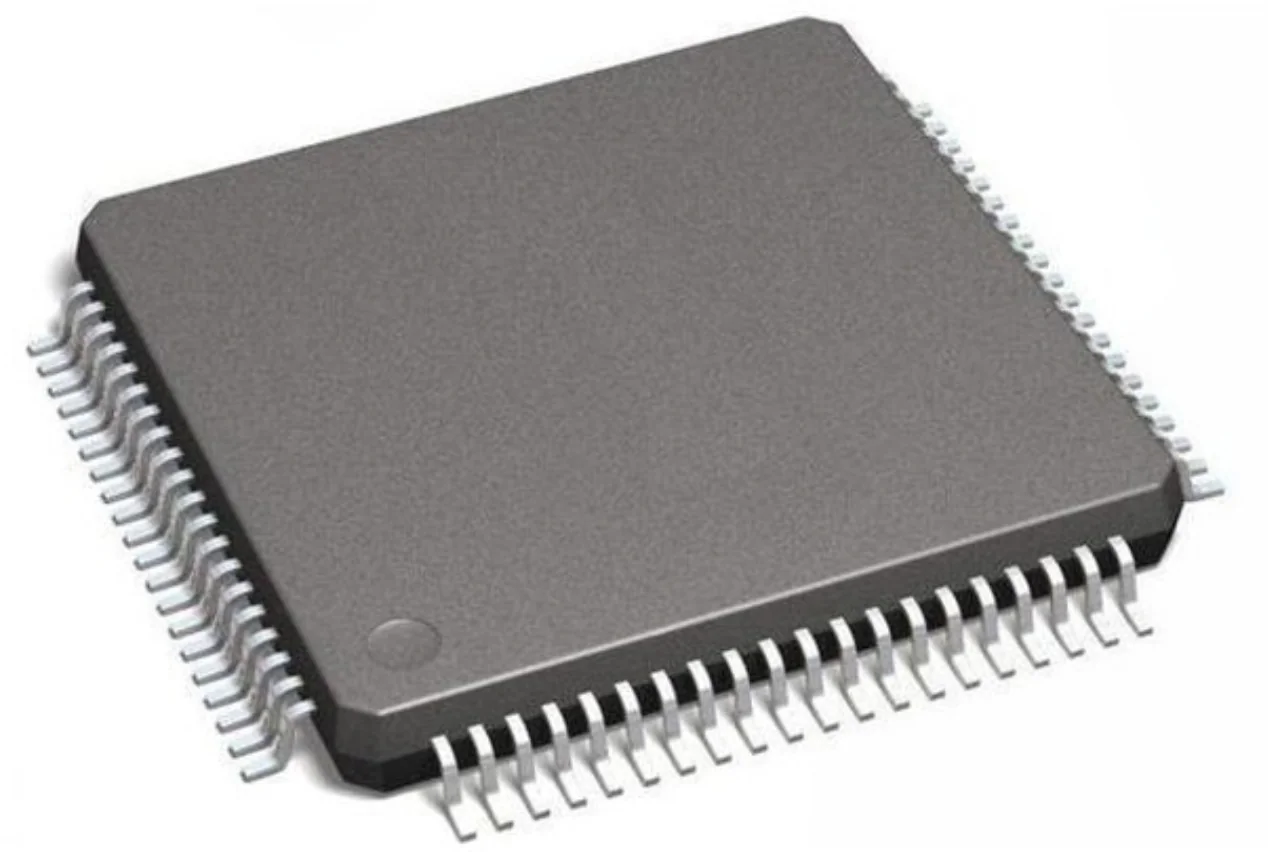
One specific SRAM example is the 23LCV1024-I/SN, a Microchip device described as a 1-Mbit SRAM with SPI/dual interface functionality and an 8-SOIC package. Its characteristics demonstrate how external working memory can provide additional capacity while using a serial connection instead of a conventional wide parallel bus. When reviewing alternatives through microchip distributors, package format and interface capabilities deserve the same attention as memory density.
Selecting The Right Memory For Embedded Applications
Application architecture usually reveals whether persistent or volatile memory is more appropriate. Industrial controllers may use nonvolatile storage for calibration parameters while reserving SRAM for active sensor processing. Communication equipment can follow a similar pattern, preserving device settings separately from packets and buffers that exist only during operation.
Power behavior is another useful checkpoint. Battery-powered systems, portable instruments, and equipment exposed to intermittent power conditions may depend on persistent memory for information that must remain available after shutdown. A volatile memory solution can still be useful in such products, but it serves a different role and should not be treated as a substitute for nonvolatile storage.
Physical and environmental factors round out the evaluation. Package dimensions affect PCB placement, while voltage range, temperature conditions, signal integrity, and assembly requirements influence practical compatibility. At Mayhwa, we review manufacturer specifications, sourcing information, stock conditions, and package details together when helping customers evaluate electronic components. That process gives us a broader view of whether a memory option fits the intended application.
Conclusion
EEPROM and SRAM are not competing versions of the same memory concept; they solve different problems within an embedded system. Persistent parameters belong naturally to nonvolatile storage, while rapidly changing runtime information often calls for volatile working memory. Interface architecture, capacity, write behavior, power conditions, and board constraints then refine the decision further.
A sensible comparison starts with the data itself: what must survive a power cycle, what changes continuously, and how quickly the controller needs to access it? Microchip technology authorized distributors can form part of the sourcing review, but technical documentation remains central to component evaluation. At Mayhwa, we use that application-focused perspective when sourcing memory components, helping connect individual specifications with the broader requirements of the electronic system.