Memory IC procurement often looks simple on paper: identify the required capacity, find the corresponding manufacturer, compare quotations, and place an order. In practice, the decision involves much more than those basic steps. Interface compatibility, package dimensions, operating conditions, inventory, traceability, and technical documentation can all influence whether a component fits a project.
For businesses evaluating microchip distributors, a structured review can help connect engineering requirements with practical sourcing considerations. At Mayhwa, we support customers by working from specific component requirements and broader supply-chain needs.

Define The Memory Requirement First
Memory ICs can perform very different functions inside an electronic system. Nonvolatile EEPROM, for example, is commonly used to preserve configuration settings, calibration information, identification data, or other parameters after power is removed. Before contacting a supplier, engineers should establish how much information must be stored and how frequently that information will change.
Interface selection is another important point. I²C, SPI, and other serial architectures have different communication methods, pin requirements, and software considerations. A device with the right capacity may still be unsuitable if its interface does not correspond with the host controller or existing board design.
Companies comparing microchip authorized distributors can therefore begin with a concise technical specification rather than a generic request for memory components. Capacity, interface, voltage, temperature range, package, endurance, and data-retention requirements provide a much stronger foundation for supplier discussions.
Examine Package And Electrical Compatibility
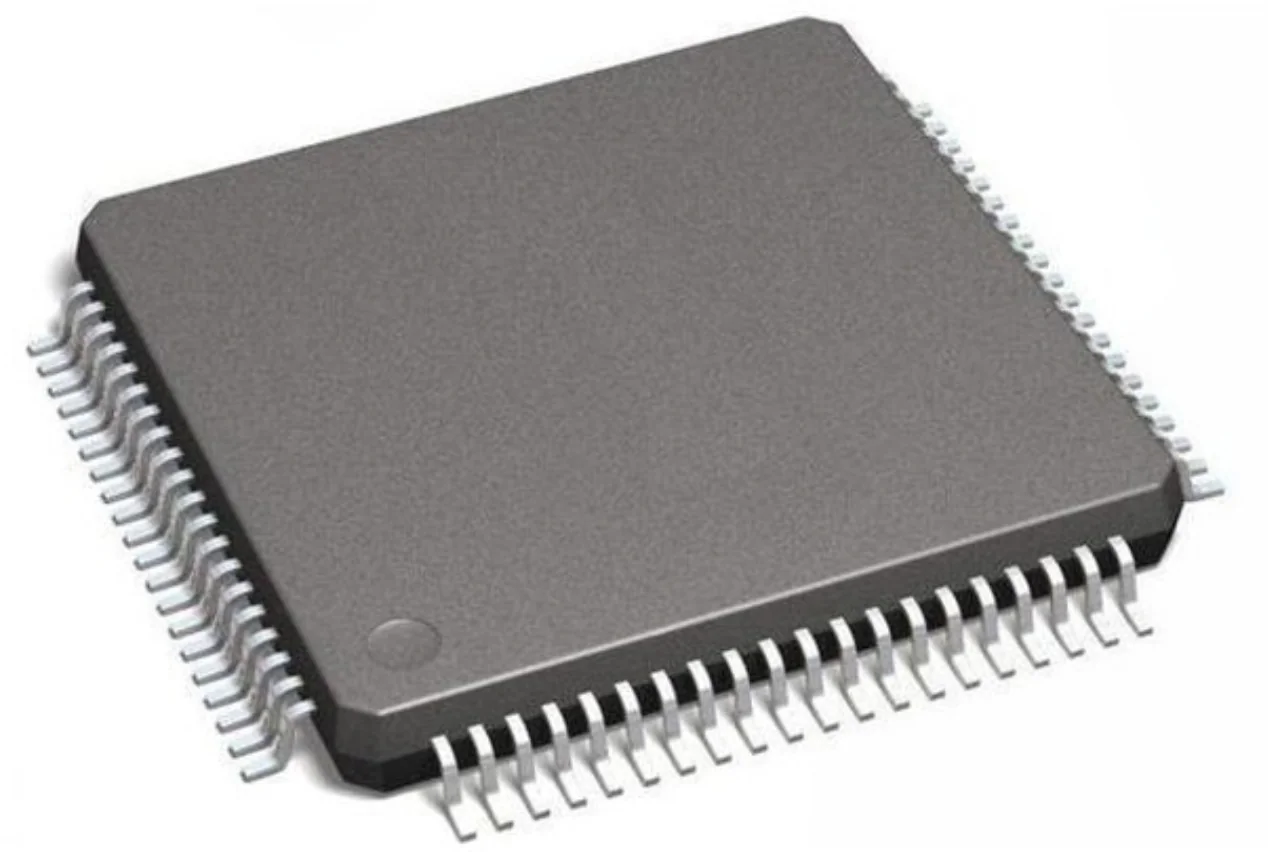
Physical dimensions deserve attention alongside electrical specifications. Compact electronics may have strict PCB space limitations, while industrial equipment can place greater emphasis on temperature performance and long operating periods. Package selection also affects PCB layout, assembly processes, and compatibility with an existing design.
Electrical characteristics require the same level of care. Operating voltage, clock or bus requirements, standby current, write-cycle behavior, and memory organization can all influence how an IC functions within a system. A purchasing team should not assume that two components are interchangeable simply because both are described as EEPROM devices.
For an microchip distributor, providing precise part-level information is particularly useful because procurement teams often need to cross-check the supplier’s quotation against an established BOM. The exact ordering code can help engineering and purchasing departments discuss the same component without ambiguity.
Look At The Specific Device
The supplied product information provides one useful example: 24AA01T-I/LT is manufactured by Microchip and described as a 1-Kbit I²C EEPROM in a SC70-5 package. Microchip’s official documentation identifies the 24AA01 as a 1-Kbit I²C serial EEPROM organized as 128 × 8, with a 5-bit device address and a two-wire serial interface. The I-grade version is specified for an industrial temperature range, while the LT package designation corresponds to the five-lead SC70 package. These details demonstrate why capacity alone is not sufficient when matching a memory IC to a design. (microchip.com)
For buyers working with microchip authorized distributors, the complete manufacturer part number should remain the reference point during quotation and order review. Package suffixes and temperature grades can matter, particularly when a design has already entered PCB production or certification.
Assess Inventory And Sourcing Resources
Technical suitability does not automatically mean that a component is easy to obtain in the required quantity. Prototype development, replacement requirements, and volume manufacturing can create very different purchasing patterns. Inventory location, available quantity, sourcing channels, and expected procurement timing may all affect the practicality of a particular supplier.
Supplier reach becomes especially relevant when a requested component is not immediately available from one channel. At Mayhwa, we work with customers across automotive, medical, industrial, and other electronics sectors, supporting different component requirements and purchasing situations.
Businesses assessing microchip distributors can also ask how inventory information is handled. Clear communication around stock, quantity, sourcing routes, and documentation gives procurement teams more context than a simple “in stock” statement.
Review Quality And Supplier Communication
Component quality assessment should form part of the supplier-selection process, particularly when parts are intended for production equipment or other applications where traceability matters. Buyers can examine sourcing information, inspection procedures, documentation, and the supplier’s ability to provide relevant records.
At Mayhwa, our stated quality procedures include visual inspection, origin validation, 200× magnification, solderability testing, X-ray non-destructive testing, ESD-controlled storage, and final inspection. We also source components from original manufacturers and authorized distributors and maintain documentation such as CoC and test reports as part of our quality approach.
Communication deserves consideration as well. An microchip authorized distributor should be able to discuss part numbers, quantities, package variations, documentation, and sourcing conditions without reducing the conversation to price alone. Clear exchanges between supplier, buyer, and engineering teams can make changes easier to manage throughout a project’s lifecycle.
Conclusion
Selecting a memory-component sourcing partner requires attention to details that extend beyond storage capacity. Interface, package, electrical characteristics, operating conditions, inventory, traceability, and communication all contribute to a sensible procurement decision. Companies comparing microchip authorized distributors can use these factors to distinguish between a basic product listing and a sourcing relationship that fits their workflow.
At Mayhwa, we combine access to global suppliers with regional inventory and component quality procedures, giving customers a practical framework for handling memory IC requirements from specification review through purchasing.