High-performance computing places demanding requirements on the electronic systems behind it. Processing workloads may be the most visible part of the architecture, but accurate voltage references, signal-conditioning circuits, power-management devices, and data-conversion components also influence system behavior.
For procurement teams, working with analog devices distributors means looking beyond a component’s general function and examining electrical specifications, package requirements, supply conditions, and application needs. At Mayhwa, we support businesses that require component sourcing resources for complex electronics projects.

Why Analog Components Still Matter
Digital processors handle enormous volumes of data, yet real-world systems still depend on analog circuitry at multiple points. Sensors produce analog signals, power rails require monitoring, and measurement circuits often need stable references before information reaches digital processing hardware. Even within computing infrastructure, these supporting functions can affect the consistency of the overall system.
The role of ADI distributors is therefore broader than simply supplying individual ICs. Procurement teams may need components that satisfy specific voltage, current, accuracy, temperature, noise, or package requirements. Understanding how a part interacts with the surrounding circuit can help buyers avoid treating two devices as interchangeable merely because their product descriptions appear similar.
High-performance computing also places emphasis on power efficiency and thermal behavior. More processing capability can mean greater power density, which makes careful component selection increasingly relevant to board design. Analog devices used for monitoring, conversion, and regulation need to operate within the conditions defined by the system architecture.
Understanding Voltage Reference Requirements
Voltage references provide a stable point against which other voltages can be measured. In data-conversion and measurement circuits, variations in the reference can influence the accuracy of the resulting signal. Designers may therefore examine parameters such as initial accuracy, temperature coefficient, operating current, output stability, and response characteristics according to the application.
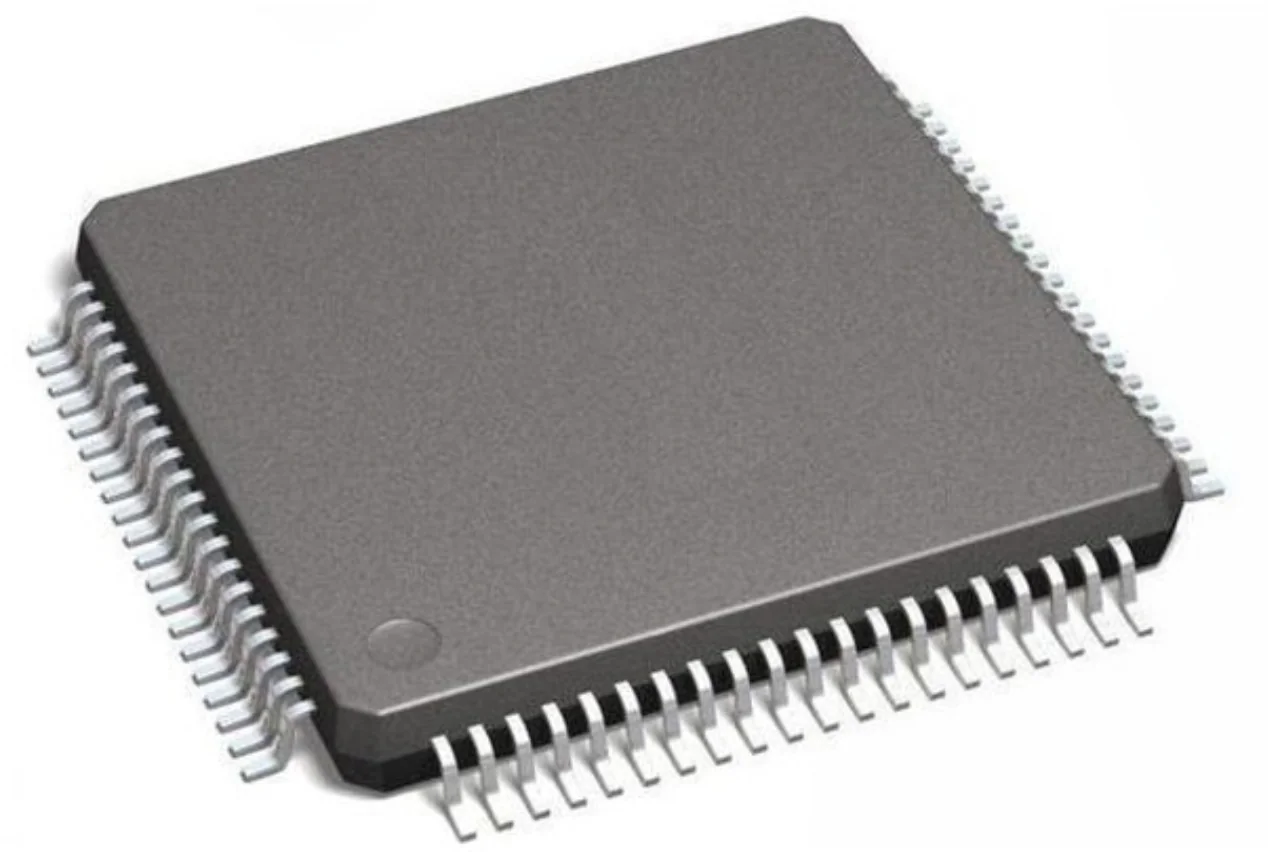
One example from our available component information is AD1582WBRTZ-R7, manufactured by Analog Devices Inc. The supplied product data describes it as an IC voltage reference in a SOT23-3 package, with a stated 0.24% description and available stock. For procurement purposes, the exact model and package should be checked against the project’s BOM and the manufacturer’s technical documentation before the component is approved for a specific circuit.
An analog devices distributor can add practical value when product information is presented at the part-number level. A generic “voltage reference” label does not tell an engineer enough about package compatibility or electrical performance. Accurate identification allows technical teams to carry out the appropriate review before purchasing.
Connecting Technical Selection With Supply Needs
Component selection and procurement cannot always be handled independently. A technically suitable part may require additional sourcing work if the requested quantity is unavailable, while an available alternative could have specifications that require engineering review. Keeping these considerations connected can help purchasing teams respond more rationally to supply changes.
For businesses working with ADI distributors, supplier reach is another factor worth examining. A sourcing partner with access to multiple supply channels can investigate inventory across different sources instead of relying on a single location. Regional stock can also matter when prototype quantities, maintenance needs, or production schedules call for shorter purchasing cycles.
At Mayhwa, we support customers across automotive, medical, industrial, and other electronics sectors, providing sourcing resources for different component requirements and order situations. This approach allows procurement teams to evaluate component options with both technical specifications and supply conditions in view, rather than treating them as separate concerns.
Quality And Traceability In Computing Hardware
High-performance computing equipment can involve substantial investment in system design and manufacturing. A component that enters the production process should therefore be evaluated not only by its quoted price but also by the information available about its origin and condition. Traceability can become particularly relevant when procurement involves specialized components or unfamiliar sourcing channels.
Our quality process at Mayhwa includes visual inspection, origin validation, 200× magnification, solderability testing, X-ray non-destructive testing, ESD-controlled storage, and final inspection. We also state that components are sourced from original manufacturers and authorized distributors, with documentation such as CoC and test reports forming part of our quality approach.
For an analog devices distributor, these procedures are useful only when they complement technical verification. Engineering teams still need to compare the actual requirements of the circuit with the documented specifications of the selected component. Procurement personnel, meanwhile, can review sourcing information, inspection records, and available documentation as part of their supplier assessment.
Conclusion
High-performance computing depends on more than processing power. Stable references, accurate signal paths, suitable packages, and dependable supporting circuitry all contribute to the behavior of sophisticated electronic systems. Buyers evaluating analog devices distributors should therefore consider technical information and supply-chain capability together rather than treating procurement as a simple price exercise.
At Mayhwa, we combine global supplier access, Shenzhen and Hong Kong inventory, and quality-control processes to support businesses working with specialized electronic components. A careful evaluation process gives engineering and purchasing teams a stronger basis for matching component decisions with the realities of their hardware projects.