Memory selection can shape how an embedded system stores information, handles temporary data, and responds to changing workloads. Although EEPROM and SRAM both belong to the broader memory category, their underlying characteristics make them suitable for different tasks. For procurement teams comparing microchip distributors, understanding volatility, access behavior, endurance, interface requirements, and system architecture can make component evaluation far more practical. At Mayhwa, we work with customers on component sourcing by connecting specific technical requirements with available supply resources.
EEPROM And SRAM Serve Different Purposes
EEPROM is nonvolatile memory, meaning stored information can remain available after power is removed. It is commonly used for configuration parameters, calibration values, identification information, and other relatively small datasets that need to persist between operating cycles. Write operations are generally less frequent than ordinary RAM access, so EEPROM is better viewed as persistent storage rather than a workspace for constantly changing data.
SRAM takes the opposite approach. It is volatile memory that provides fast read and write access while power is supplied, making it useful for temporary variables, buffers, stacks, and other data that a processor needs during active operation. Its straightforward access behavior can make it attractive where response time matters more than retaining information after shutdown.
For buyers working with microchip technology authorized distributors, the distinction between these memory types should be established before comparing individual part numbers. A lower-capacity EEPROM and a higher-capacity SRAM are not necessarily alternatives because they solve different system problems. The memory architecture should follow the function required by the application.
Speed And Volatility Affect Design Choices
SRAM is often selected when a processor needs frequent access to temporary information. Its memory cells can be accessed without the erase and write behavior associated with nonvolatile memory technologies, allowing it to serve as working memory in embedded systems. Designers may consider access time, clock frequency, bus architecture, density, voltage requirements, and package dimensions when integrating it into a board.
EEPROM has a different role because persistence is its defining characteristic. A device can retain selected information while the main system is powered down, which is useful for settings that should survive a restart. The trade-off is that write behavior, endurance, and storage organization become more relevant than they would be for ordinary volatile working memory.
An microchip distributor should therefore be assessed according to the quality of the technical information available for each component. Buyers can first determine whether the application needs persistent or temporary storage, then examine density, interface, operating conditions, package, and other model-specific parameters. This sequence makes the selection process more focused.
A Microchip SRAM Example
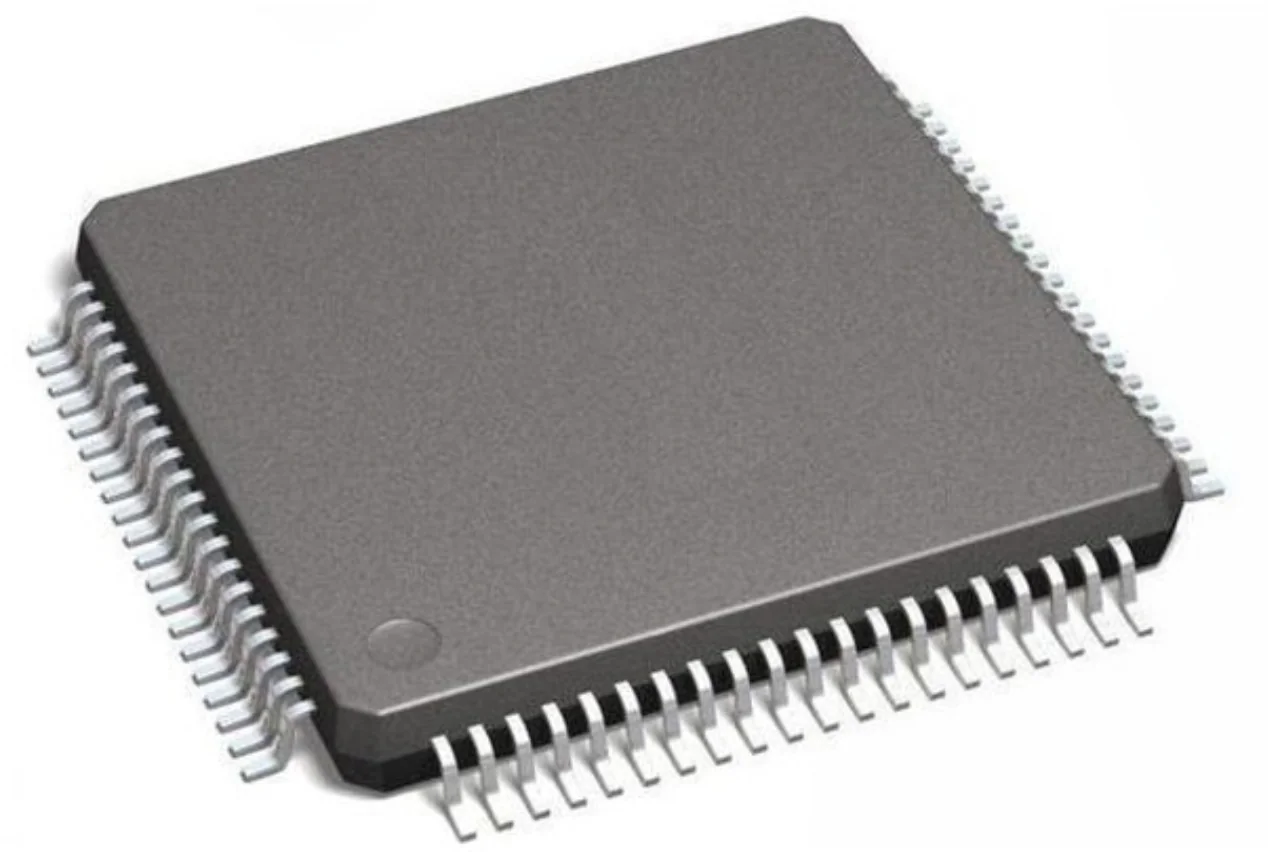
The supplied product information includes 23K256-I/SN, manufactured by Microchip and described as a 256-Kbit SPI SRAM with a 20 MHz interface in an 8-SOIC package. Microchip’s product documentation identifies the 23K256 as a 32K × 8 serial SRAM that communicates through an SPI-compatible serial bus and supports clock frequencies up to 20 MHz. The device is designed for applications requiring fast, reliable temporary data storage, while its volatile nature means stored data does not persist after power is removed. (microchip.com)
This specification also demonstrates why the complete ordering code matters. A 256-Kbit density alone does not describe how the device connects to the host system. The SPI interface, 20 MHz clock capability, memory organization, and 8-SOIC package all contribute to its suitability for a particular board design.
When sourcing through microchip technology authorized distributors, procurement teams can use the exact manufacturer part number as the starting point for technical verification. Package compatibility and interface requirements should then be checked against the existing PCB and MCU architecture before an order is placed.
How Memory Differences Affect Procurement Decisions
The distinction between EEPROM and SRAM is not just a technical detail—it directly affects what procurement teams need to verify before placing an order. A buyer may evaluate both memory types in the same project, but the verification priorities differ. For EEPROM, endurance and retention specifications matter more than speed. For SRAM, access time and interface compatibility usually take priority.
This means a purchasing decision should begin with the application requirement first. Does the system need to retain data after power loss? If so, EEPROM is the relevant category. Is the system looking for fast temporary storage during operation? Then SRAM becomes the working memory. Once the application determines the memory type, procurement can then focus on the specific parameters that matter for that technology—without treating every memory component as interchangeable.
For buyers working with microchip technology authorized distributors, clarifying the memory function upfront helps avoid comparing parts that serve fundamentally different roles. A supplier can provide useful sourcing information, but the selection criteria should be driven by the system architecture rather than by catalog availability alone.
Conclusion
EEPROM and SRAM may both store digital information, yet their roles within an electronic system are fundamentally different. Persistence, access behavior, interface, density, electrical conditions, and package requirements should all be considered before a memory component is selected.
Companies evaluating microchip technology authorized distributors can combine these technical checks with supplier reach, inventory visibility, and documentation when assessing sourcing options. At Mayhwa, we bring global supplier access and regional inventory resources into that process, helping procurement teams examine memory requirements with greater technical clarity and practical context.