A 32-bit microcontroller can look straightforward on a specification sheet, yet two devices built around the same general architecture may behave quite differently in an actual embedded system. Clock frequency, memory capacity, power modes, peripherals, security functions, package options, and development support all influence whether a device fits a particular design.
Buyers researching ST micro distributors should look beyond a single headline specification and examine how these characteristics interact with the application’s workload, operating environment, and future requirements. At Mayhwa, we approach component selection from a sourcing perspective while also considering the technical details that affect practical deployment.

Understanding Processing And Memory Requirements
Processing capability starts with the CPU architecture, but frequency alone does not tell the whole story. A higher clock rate can help with computation-intensive routines, yet software efficiency, instruction-set capabilities, interrupt response, and memory access patterns also influence actual performance. A control application with modest computational needs may gain little from excessive processing capacity, whereas a system handling communication stacks, sensor calculations, or graphical interfaces may require substantially more resources.
Memory deserves similar attention. Flash capacity determines how much firmware, configuration data, and application code can be stored, while SRAM affects runtime data handling. Developers should consider buffer sizes, communication protocols, middleware, and future firmware revisions rather than calculating memory around the current code size alone. This approach gives buyers a clearer basis for comparing different microcontroller families.
Another useful distinction involves nonvolatile memory organization and peripheral access. Applications that frequently process sensor readings may require sufficient RAM for temporary datasets, while products with sophisticated user interfaces can place greater pressure on Flash and graphics-related resources. Technical specifications become much more meaningful once they are mapped against the actual software architecture.
For sourcing teams, these factors also influence which stmicroelectronics distributor can provide the appropriate device range and supporting information. A useful supplier evaluation should make it easier to compare part numbers, package variants, lifecycle information, and available documentation without reducing the decision to price alone.
Comparing Peripherals, Connectivity, And Power
Peripheral integration can significantly affect board architecture. Timers, ADCs, DACs, UART, SPI, I²C, USB, CAN, and other interfaces allow a microcontroller to communicate with sensors, displays, memory devices, motor-control circuits, and external controllers. The right combination can reduce the number of separate components required on a PCB and simplify firmware coordination.
Power behavior introduces another layer of comparison. Battery-operated equipment may spend much of its operating life in low-power states, making sleep current and wake-up behavior more important than peak processing speed. Industrial equipment has a different profile: stable operation, peripheral availability, timing performance, and predictable behavior under varying workloads may receive greater attention.
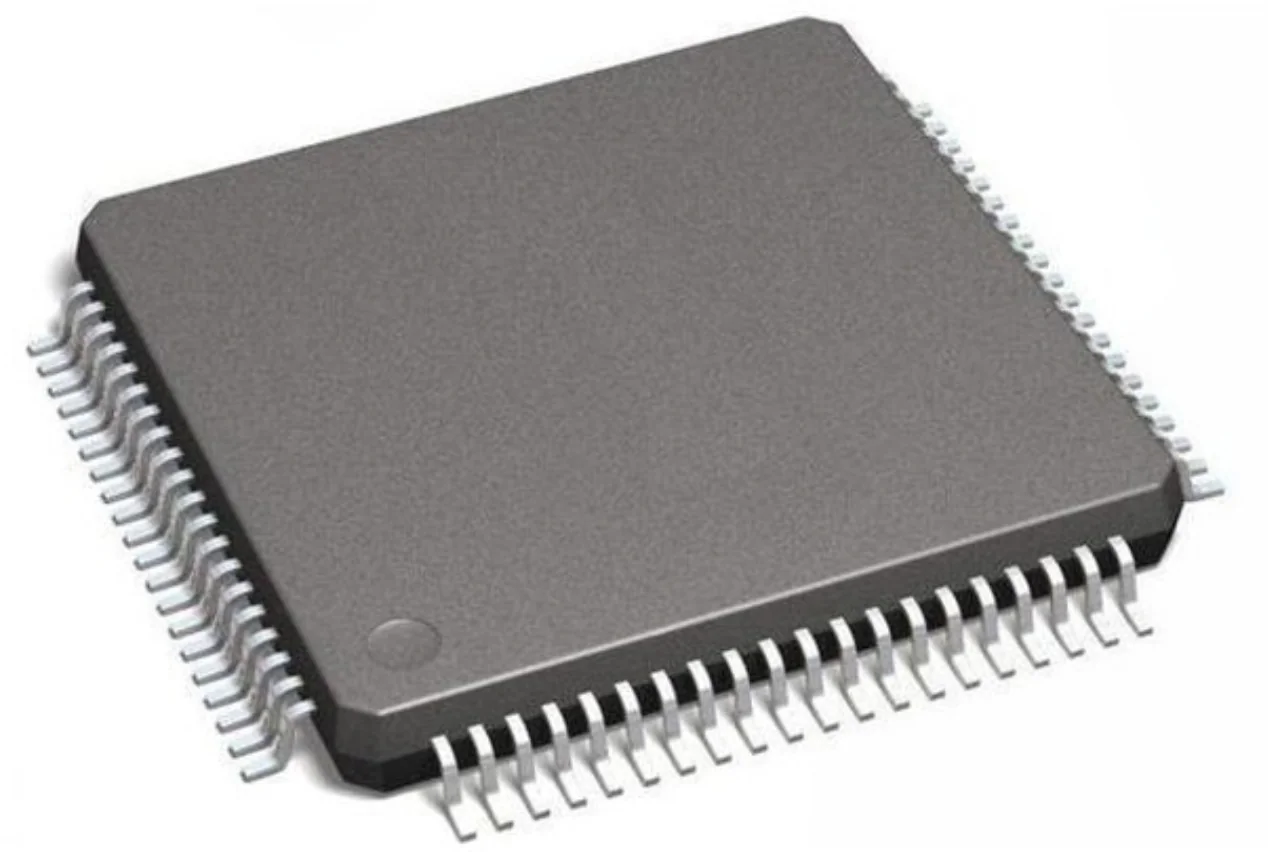
Package selection should not be treated as a purely mechanical issue either. Pin count, thermal characteristics, PCB space, routing density, and assembly capabilities can all influence the practical suitability of a device. Two microcontrollers with similar internal resources may have very different implications for board layout because their package formats and pin assignments differ.
The broader STM32 ecosystem also matters during technical evaluation. Buyers working with ST micro distributors can benefit from checking whether the selected device fits established development workflows, debugging tools, middleware, and existing engineering practices. A familiar software environment may shorten adaptation work and make future maintenance more manageable.
Evaluating Application Fit And Supply Considerations
Application requirements should remain the reference point throughout component selection. Automotive controls, industrial monitoring, consumer electronics, medical equipment, and connected devices can place very different demands on processing resources, communication interfaces, power consumption, environmental tolerance, and security functions. Specifications become useful only after these requirements have been clearly defined.
A practical comparison should also consider operating temperature, package availability, qualification information, and lifecycle status. These details may appear secondary during early design work, but they become important once a product moves toward volume production. Reviewing several compatible options at the beginning can also provide greater flexibility if a preferred configuration becomes difficult to source.
One specific example from our available inventory is IPS1025H, manufactured by ST and currently shown as available. Its listing is identified by the model number itself, with the manufacturer recorded as ST. This kind of part-level information illustrates why purchasing teams should verify the exact ordering reference rather than relying only on a broad family name. At Mayhwa, we use model-level checks as part of our sourcing process so that the commercial request remains aligned with the actual component being considered.
Technical documentation should receive equal attention. Datasheets, reference manuals, errata, programming documentation, package drawings, and lifecycle notices provide different pieces of information needed for a sound decision. A supplier that can provide clear part-level information makes it easier for purchasing and technical teams to work from the same reference.
Conclusion
Selecting a 32-bit STM32 microcontroller involves balancing processing resources, memory, peripherals, power behavior, package constraints, software support, and supply considerations. A specification sheet provides the raw information, but the real decision comes from understanding how those characteristics correspond to the intended system. Buyers can use ST micro distributors as one sourcing route while still applying their own technical criteria to every candidate device.
The same principle applies when working with an stmicroelectronics distributor: part-number accuracy, documentation, availability, and application suitability all deserve attention. At Mayhwa, we keep that practical perspective in our sourcing work, helping teams evaluate component information with the broader design and procurement context in mind.