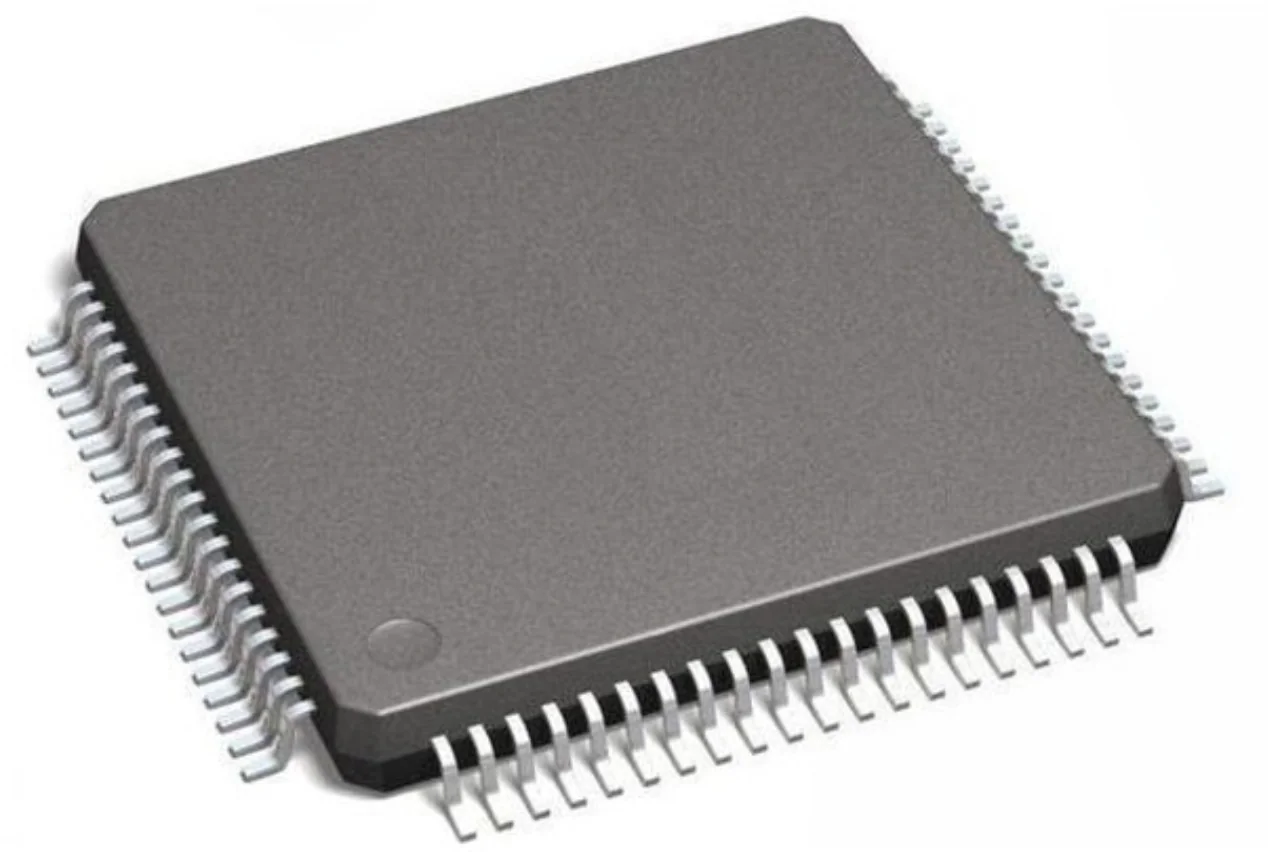
A component purchase can look straightforward until the engineering details enter the discussion. Manufacturer identity, exact part number, package, electrical characteristics, availability, and traceability can all affect whether a device is appropriate for a particular design.
For procurement teams evaluating analog devices distributors, the real task is to connect commercial information with engineering requirements. The following checklist provides a practical starting point for that evaluation.

Checklist Item 1: Confirm the Exact Manufacturer Part Number
The single most important verification step is checking that the distributor’s quoted part number matches the manufacturer’s ordering code exactly. A difference in suffix can indicate a change in package, temperature range, or electrical behavior. Procurement teams should compare the full ordering code against the BOM and the manufacturer’s official documentation before proceeding.
Working with an experienced analog devices distributor ensures that part-number discrepancies are caught early, reducing the risk of ordering incorrect components. Even a small typo in the ordering code can result in a component that does not fit the board or fails to meet the circuit’s requirements. Confirming the part number upfront saves time and avoids unnecessary returns.
Checklist Item 2: Verify Package and Electrical Specifications
Package dimensions affect PCB layout and assembly, while electrical parameters determine whether the component performs as expected in the target circuit. Buyers should check that the offered component’s voltage rating, current handling, temperature range, and package type align with the original design requirements.
This step is particularly important for precision components where small specification differences can affect system behavior. If the package or electrical rating does not match, the component may still look similar but will not function correctly in the circuit. Engineering review should be part of any substitution decision.
Checklist Item 3: Review Inventory and Sourcing Reach
Technical suitability is only useful if the component is available when needed. Buyers should examine the distributor’s current inventory position, sourcing channels, and ability to support different order volumes—from prototype quantities to production runs. A distributor with access to multiple sourcing channels can provide more flexibility when demand changes.
At Mayhwa, we connect customers with a broad sourcing network that includes both authorized channels and trusted supply partners, giving procurement teams more options when component availability becomes uncertain. Even a technically correct component offers little value if lead times stretch beyond the production schedule. Distributors with diversified sourcing channels can help bridge gaps when stock is tight.
Checklist Item 4: Examine Quality Verification Procedures
Component authenticity and condition should be verified before delivery. Buyers can ask the distributor about their inspection process, including visual inspection, origin validation, and testing procedures. Documentation such as Certificate of Conformance and test reports provides traceability and supports internal quality review processes.
Relying on analog devices authorized distributors helps ensure that components are sourced through legitimate supply chains, with documented traceability and verification procedures in place. Components from unauthorized channels may lack proper testing and documentation, increasing the risk of counterfeit or substandard parts reaching the production line.
Checklist Item 5: Understand Documentation and Traceability
For automotive, medical, and industrial applications, documentation is not optional. Buyers should confirm that the distributor can provide manufacturer information, date codes, packaging details, and relevant compliance records. Clear documentation helps engineering and procurement teams establish a shared reference when reviewing component options.
Authorized distributors typically maintain more complete records than general brokers, which becomes particularly important when a project requires strict traceability or audit-ready documentation. Without proper documentation, even a genuine component can become difficult to trace if quality issues arise later in the production cycle.
Checklist Item 6: Assess Communication and Responsiveness
Procurement decisions are made faster when information flows clearly between buyer and supplier. Buyers should evaluate how the distributor handles inquiries about part numbers, availability, package variations, and lead times. A responsive sourcing partner can reduce uncertainty during both prototype development and production planning.
Distributors that provide clear, timely information make it easier for procurement teams to respond to changing project requirements without waiting days for clarification. Good communication also helps prevent misunderstandings that can arise from incomplete or ambiguous component information, keeping the procurement process aligned with engineering expectations.
Conclusion
A structured supplier review does not need to be complicated. Buyers can begin by confirming the exact manufacturer part number, then verify package and technical requirements, check stock information, review quality documentation, and assess sourcing capabilities. Commercial terms can be considered after the basic technical and supply conditions are understood.
At Mayhwa, we use this practical framework when supporting customers with Analog Devices component requirements. By focusing on part-number accuracy, package verification, inventory visibility, quality procedures, and clear documentation, we aim to help procurement teams make sourcing decisions that fit both their technical needs and their production schedules. Whether working through authorized channels or leveraging broader supply networks, Mayhwa supports customers with a practical approach to analog devices sourcing—one that balances technical accuracy with real-world supply conditions.