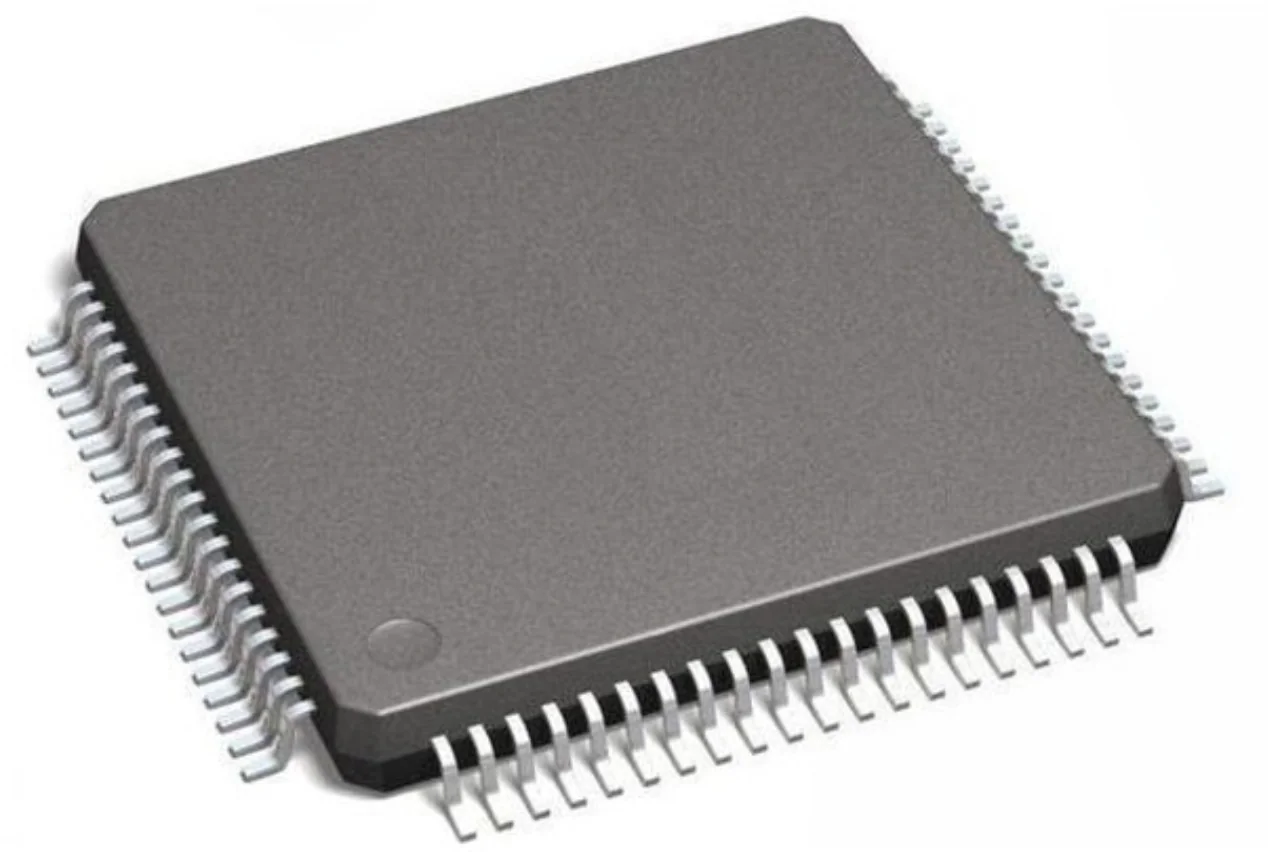
OEM procurement rarely succeeds on price comparisons alone. Technical compatibility, supply continuity, inspection practices, documentation, and communication all influence whether a purchasing relationship remains practical over time. An electronic components distributor can offer access to multiple sourcing channels, yet buyers still need a structured way to judge what each supplier can actually provide. At Mayhwa, we approach these decisions around real purchasing requirements, with attention to inventory, quality information, sample availability, and the service needed at different stages of an OEM project.
Examine Technical And Product Coverage
Supplier evaluation should begin with technical suitability. Part numbers, package types, electrical ratings, operating conditions, tolerance ranges, lifecycle status, and compliance requirements need to match the intended application. OEM projects often involve hundreds or thousands of individual components, so a supplier’s ability to handle different categories can simplify procurement without compromising engineering requirements.
Product range matters, but breadth alone does not tell the whole story. Buyers should determine whether a supplier can provide the specific component categories, manufacturers, package options, and quantities required by the project. An electronic components supplier with access to diverse sourcing channels may be useful when an OEM needs several types of components under one purchasing workflow, particularly during prototype development or production ramp-up.
Assess Inventory And Supply Reliability
Stock availability deserves closer examination than a simple “in stock” label. Buyers should ask about available quantities, warehouse locations, replenishment expectations, packaging conditions, and the relationship between physical inventory and quoted quantities. Such details become especially relevant when production schedules are tight and a shortage of one component could affect an entire assembly.
Inventory is also valuable during early-stage validation. At Mayhwa, we maintain own inventory for urgent requirements and can provide free samples when customers need to assess component quality before larger purchases. This practical approach gives OEM teams an opportunity to evaluate physical parts during development while keeping procurement decisions connected to actual project schedules.
Review Quality Control And Traceability
Quality evaluation should cover more than whether a shipment arrives in acceptable packaging. Depending on the component and application, buyers may review manufacturer information, date codes, lot references, certificates, visual characteristics, electrical parameters, and inspection records. A supplier should also be able to explain how questionable or inconsistent material is handled internally.
Traceability becomes particularly useful for OEM production because component records may need to be reviewed months after the original purchase. An electronic components distributor with organized documentation can provide useful purchasing history, while the OEM should retain its own inspection and approval records. Together, these practices create a clearer trail from procurement to production.
Compare Commercial And Service Capabilities
A competitive quotation is only one part of the commercial assessment. Minimum order quantities, payment terms, shipping costs, packaging requirements, sample policies, and quotation validity can affect the actual purchasing value. Buyers should compare these conditions against expected order volumes rather than judging suppliers solely by the unit price shown on a quotation. A supplier that clearly explains these terms upfront often proves easier to work with across repeat orders and changing production schedules.
Responsiveness is another practical indicator. Questions about substitutions, availability, documentation, or delivery changes can arise at any point in an OEM project. At Mayhwa, we discuss these details directly with customers and offer competitive pricing according to quantity and sourcing conditions, while keeping communication focused on the requirements behind each order. Timely, clear replies help prevent small uncertainties from becoming costly delays, especially when project timelines are tight and specifications continue to evolve.
Measure Performance Over Time
Initial evaluation provides a useful starting point, but supplier performance becomes clearer after several purchasing cycles. OEM teams can track delivery accuracy, response time, quality incidents, quotation consistency, documentation quality, and the frequency of urgent requests. These indicators reveal patterns that may not be visible during a single transaction.
Supplier reviews should also reflect the changing needs of a project. A company that performs well for prototype quantities may need to demonstrate different capabilities once production volume increases. Working with an electronic components supplier should be viewed as an ongoing operational relationship in which performance data, changing demand, and component lifecycle information are periodically reassessed.
Conclusion
Reliable supplier evaluation requires more than finding a company with a broad catalog or attractive quotation. OEM buyers benefit from examining technical coverage, physical inventory, quality procedures, traceability, commercial terms, and service responsiveness as separate but connected factors. A structured assessment makes it easier to distinguish short-term availability from a sourcing relationship that can support changing production requirements.
At Mayhwa, we build our customer support around practical purchasing needs, combining own inventory, free sample opportunities, global sourcing resources, and competitive pricing. We believe useful supplier cooperation should give OEM teams clearer information at each stage rather than adding unnecessary complexity. Selecting an electronic components distributor with suitable resources and transparent communication can make procurement more adaptable while keeping technical and commercial priorities in view.