Industrial electronic systems often process large amounts of data under changing temperatures and long service cycles. Memory selection therefore involves more than density. Engineers also need to review voltage, speed, package size, data width, and supported temperature range.
For B2B buyers, these technical factors are closely linked to sourcing decisions. A part may look suitable on paper, but the package, electrical requirements, and operating environment still need to match the board design. Clear specification review can reduce redesign work and make purchasing discussions more efficient.

Memory Density Must Match the System Workload
Memory density affects how much temporary data a system can hold during operation. In embedded control, industrial computing, communication equipment, and server-related hardware, the required capacity depends on software size, data processing demands, and the way memory is allocated across the system.
The MT41K256M16TW-107 IT 4Gb Industrial DDR3L SDRAM provides 4Gb density with a 256M x 16 organization. This structure gives engineers a 16-bit data interface, which can be useful when a design requires a balance between data width, board space, and available memory capacity.
Clock performance also matters. The device uses the -107 speed grade, with a 1.07ns clock period, CL13, and a 933MHz clock rate. These values should be checked against the memory controller and timing requirements before the part enters a bill of materials.
Capacity and speed should not be reviewed separately. A design team normally checks whether the controller supports the required DDR3L timing, how many devices will be used, and whether the selected configuration fits the expected data workload. This gives a more practical view of memory suitability.
Why Low-Voltage Operation Matters in Board Design
DDR3L technology operates at a lower nominal voltage than standard DDR3. In this case, the memory uses a 1.35V supply. Lower-voltage operation can help designers control power demand in systems where multiple components share limited power and thermal budgets.
Voltage alone does not determine system efficiency. Engineers still need to examine board architecture, power rails, controller compatibility, and thermal conditions. The memory device must work within the electrical design rather than being assessed alone.
The Micron Industrial-Grade 4Gb DDR3L Memory is specified for operation from -40°C to +95°C. This range is relevant for equipment used in environments where temperature can vary more widely than in ordinary office electronics, including industrial control units, outdoor cabinets, and embedded systems.
For procurement teams, temperature grade is also a useful screening point. Commercial and industrial versions of similar components may look alike, so checking the complete part number and specified operating range helps reduce the risk of ordering a part that does not match the engineering requirement.
Package Size Can Shape Layout Decisions
Package type influences PCB layout, routing, assembly, and board area. The device is supplied in a 96-ball FBGA package with an 8mm × 14mm body size. This compact surface-mount format can support designs where space is limited and memory sits close to the controller.
FBGA packages require careful attention to pad layout and routing. Designers should review ball mapping, signal paths, power distribution, and manufacturing capability before finalizing the PCB. Package dimensions alone do not indicate whether a part can be dropped into an existing design.
This is also where technical sourcing becomes important. At Mayhwa, we often see B2B buyers compare devices that appear similar from a distance but differ in speed grade, package, temperature range, or exact suffix. These details can affect qualification and replacement decisions.
Our role is not to change the engineering specification. We help customers check sourcing information against the required model, package, and application conditions, especially when a project involves urgent quotations, sample requests, or limited market availability.
Application Fit Depends on the Complete Design
Industrial memory can be used across many types of electronics, but the final application depends on the host system. Embedded controllers may prioritize compact layout and temperature tolerance. Industrial computers may place more attention on memory capacity and sustained data access. Server-related equipment may focus on compatibility, availability, and lifecycle planning.
The MT41K256M16TW-107 IT 4Gb Industrial DDR3L SDRAM can be considered where a 4Gb DDR3L device, 16-bit interface, 933MHz clock rate, industrial temperature range, and 96-FBGA package match the design requirements. Engineers should still verify controller support and board-level compatibility before approval.
Supply conditions also matter after technical qualification. Shortages, allocation changes, and project deadlines can affect component purchasing. A qualified part is useful only when the sourcing plan also matches the production schedule, required quantity, and acceptable delivery window.
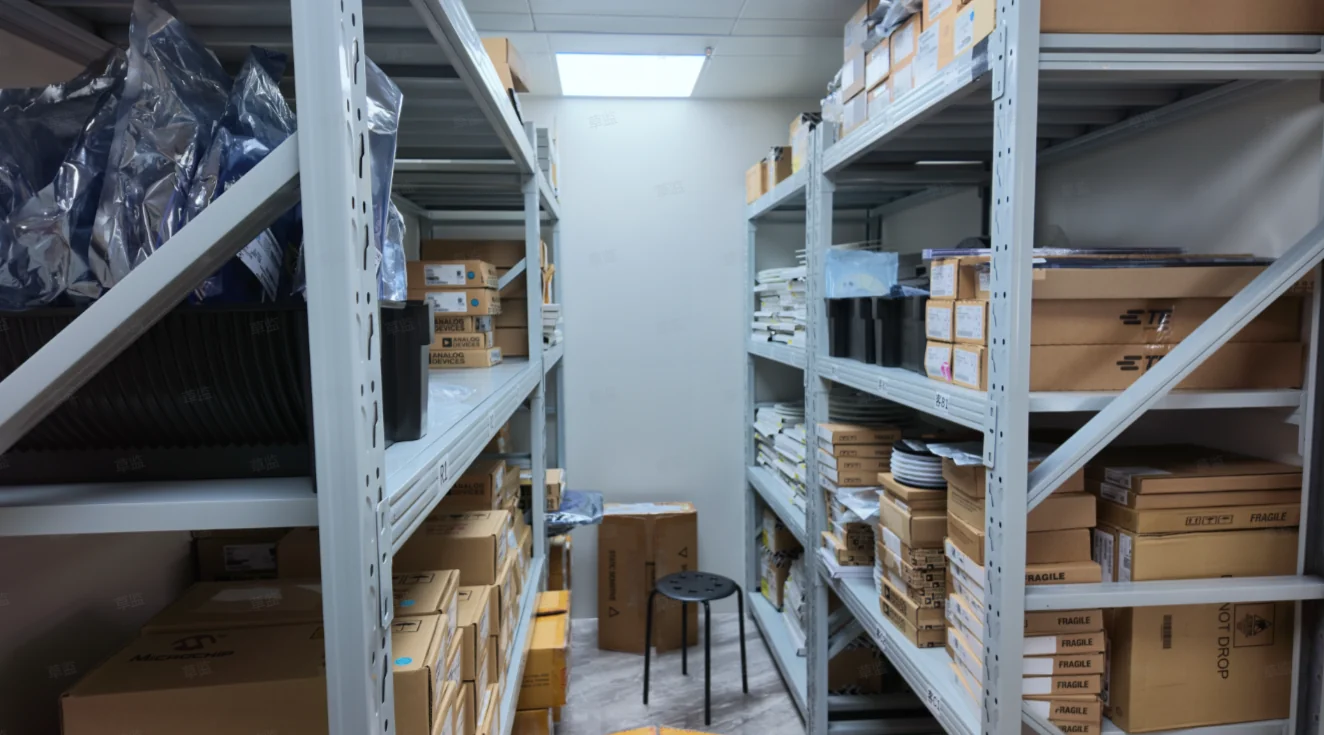
For this reason, our team evaluates both technical identification and supply-chain context. Mayhwa works with a global supplier network and maintains inventory resources in Shenzhen and Hong Kong. This helps us respond to B2B inquiries where buyers need to compare availability, delivery timing, and sourcing options.
A Practical Review Before Purchase
A sound memory selection process begins with the engineering requirement rather than the purchase price. Density, organization, speed grade, voltage, temperature range, and package should all be checked against the target platform. This prevents a similar-looking part from being treated as an automatic substitute.
The Micron Industrial-Grade 4Gb DDR3L Memory shows how several specifications work together in one device. For industrial buyers, reviewing these details before requesting samples or placing orders can make communication between engineering and procurement clearer and reduce avoidable sourcing errors.