Industrial control boards often receive power from 24V distribution lines, but many local circuits operate at lower voltages. Sensors, controllers, communication modules, and embedded processors may need stable rails from the same source. The conversion stage must handle voltage variation, switching losses, heat, and load changes without making the board unnecessarily complex.
For this type of design, the TPS5430DDAR 3A Step-Down DC/DC Converter can be considered when engineers need a compact regulator for a wide input range. Its 5.5V to 36V input capability fits common industrial power architectures, while its adjustable output supports several downstream rail requirements.

From a 24V Bus to Local Supply Rails
Industrial 24V systems are rarely fixed at exactly 24V during operation. Input voltage can change with supply tolerance, cable losses, startup conditions, or other loads sharing the same source. Engineers therefore need enough input margin before choosing a regulator for a control board.
The device supports input voltages from 5.5V to 36V. This range allows it to work from a nominal 24V bus while leaving room for normal variation. The output can be adjusted down to 1.22V, which gives designers flexibility when creating lower-voltage rails.
Its fixed 500kHz switching frequency also simplifies component planning. Designers can select inductors and capacitors around a known switching point. This can make PCB layout and component comparison more straightforward during development.
The Texas Instruments 3A Buck Converter delivers up to 3A continuous output current. That current level suits control electronics, communication boards, distributed I/O modules, and similar industrial loads where several smaller circuits may share one regulated rail.
Thermal Design Starts with the Package
Power conversion efficiency has a direct effect on board temperature. The device can reach up to 95% efficiency, depending on operating conditions. Engineers still need to examine input voltage, output voltage, load current, airflow, and copper area when estimating thermal behavior.
The regulator uses an 8-pin SO PowerPAD™ package, identified as DDA. This package is designed to improve thermal transfer from the IC into the PCB. For compact industrial assemblies, the exposed thermal structure can help when space is limited but heat still needs a controlled path into the board.
Layout quality matters as much as package selection. Short current paths, suitable copper areas, careful grounding, and proper placement of capacitors can reduce noise and support predictable operation. Thermal-pad soldering also deserves close attention during PCB assembly.
At Mayhwa, we recommend that buyers sourcing this 3A buck converter for industrial 24V systems verify the exact package suffix, PCB footprint, and approved BOM before ordering. Engineering teams should also confirm that input voltage fluctuations remain within the device’s 5.5V to 36V operating range and that the selected configuration meets the required load current.
Surface-mount compatibility, thermal requirements, and package identification should be checked together before purchasing.
Built-In Functions Reduce External Complexity
Industrial power rails can experience startup stress, overloads, and abnormal voltage conditions. Integrated protection functions can reduce the number of external circuits needed around a regulator and make the power stage easier to design.
This device includes overcurrent limiting, overvoltage protection, thermal shutdown, undervoltage lockout, and soft-start. These functions address several common operating conditions without requiring a separate protection IC for each one. They do not replace system-level protection, but they give the local converter useful internal safeguards.
The high-side N-channel MOSFET is integrated inside the regulator. Internal loop compensation is also included. These features reduce external design work and can be useful where component count and PCB area need to stay controlled.
For engineers comparing the TPS5430DDAR 3A Step-Down DC/DC Converter with other power options, these integrated functions should be reviewed together with current demand and thermal conditions. Selection should come from the complete operating profile rather than one specification.
What B2B Buyers Should Check Before Ordering
Component procurement for industrial projects involves more than confirming the electrical rating. Buyers also need to verify the manufacturer, exact model, package, quantity, date-code expectations, delivery schedule, and source traceability before placing an order.
The part is manufactured by TI and is described as an adjustable 3A buck regulator in an 8-pin SO PowerPAD package. Purchasing teams should match the DDA package code with the BOM and PCB footprint because similar product families may use different package formats.
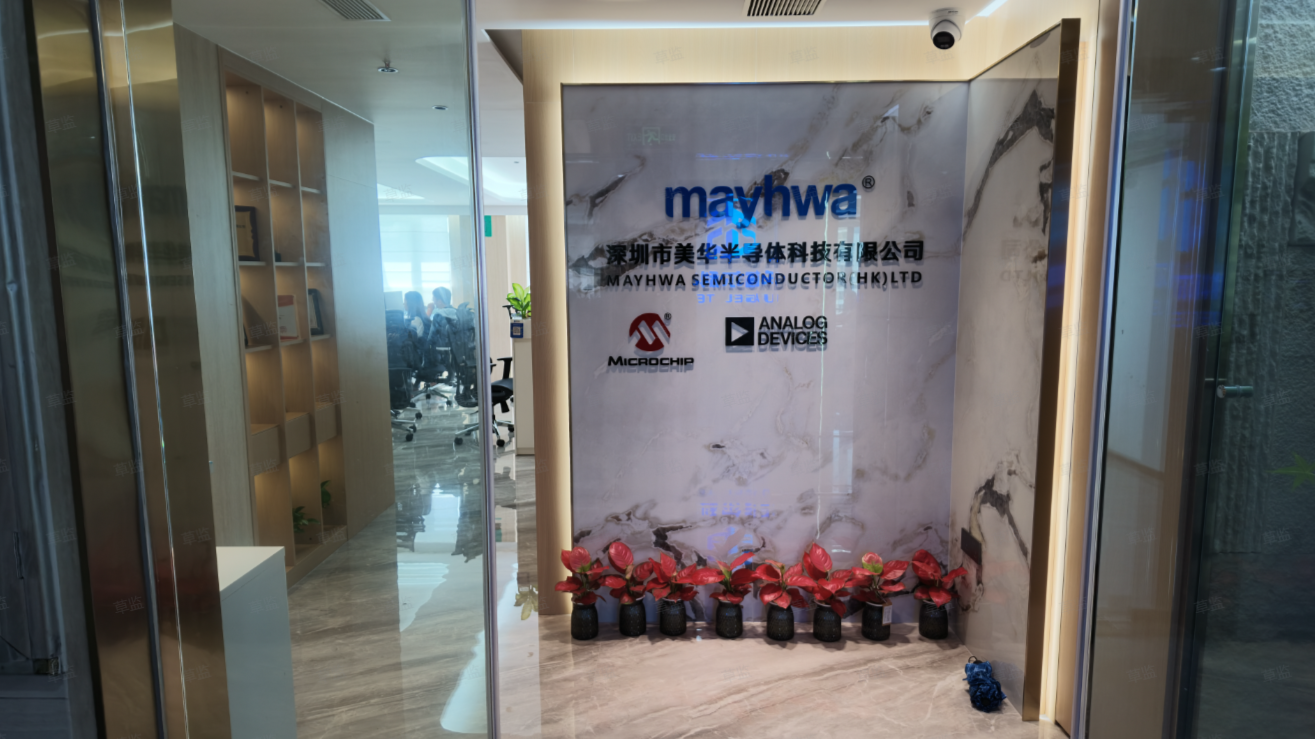
At Mayhwa, we work with global electronic component sourcing and supply-chain requirements. Our role is relevant when customers need support with urgent quotations, samples, shortage situations, or stock matching. We also source through a broad supplier network and established distribution channels, which can help B2B buyers compare availability and delivery options.
When evaluating a Texas Instruments 3A Buck Converter, procurement teams should also consider production timing and continuity. Price matters, but lead time and quality documentation can affect the project just as much. This is especially important for industrial and server-related programs with scheduled builds.
A Practical View of Regulator Selection
The right buck regulator should fit the real power path, not just the nominal voltage printed on a schematic. Input range, output current, thermal behavior, package, protection functions, switching frequency, and PCB layout all influence how the converter performs in a finished industrial system.
For a 24V bus design, the device discussed here combines wide input range, adjustable output, 3A current capability, 500kHz switching, integrated protection, and a thermally enhanced package. Careful engineering and disciplined sourcing remain equally important when moving from prototype boards to repeat production.