Motion-sensing projects often remain in production long after the original component was selected. When a sensor reaches end-of-life status, engineers and purchasing teams face a different question. The issue is no longer only whether the part works. They must also consider availability, design compatibility, sourcing risk, and how much redesign effort a replacement may require.
For teams maintaining older wearable, portable, gaming, or control products, the MPU-9250 9-Axis Motion Tracking IMU may still appear on approved bills of materials. Its combination of gyroscope, accelerometer, and magnetometer functions made it useful in compact designs. Because the device has been discontinued, technical review and supply planning now need to move together.

Why Legacy Designs Need a Different Review Process
A discontinued sensor should not be evaluated in the same way as a device that is still in active production. Original specifications remain important, but buyers also need to understand remaining stock, traceability, date codes, storage history, and whether future demand can still be supported.
Engineers should first confirm how deeply the device is tied to the existing system. Firmware may rely on its register map, communication behavior, sensing ranges, or calibration method. Mechanical layouts may also depend on the original package dimensions and pin arrangement.
The device uses a compact 24-pin QFN package and supports both I2C and SPI communication. These details matter because changing to another sensor can affect PCB layout, firmware, testing, and production validation at the same time.
For B2B buyers, this means a sourcing decision can become an engineering decision. A lower-priced alternative may still create extra work if it changes hardware design or software behavior.
What the Integrated Sensor Architecture Actually Provides
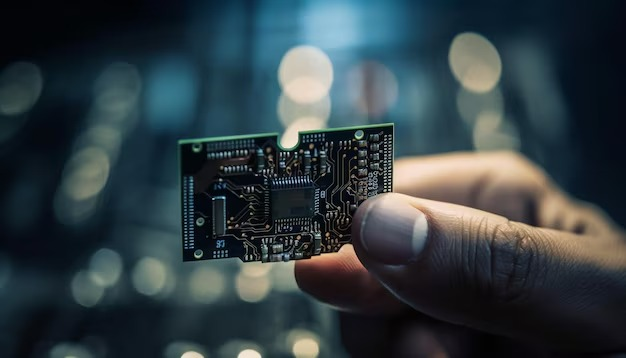
The device combines a 3-axis gyroscope, 3-axis accelerometer, and 3-axis magnetometer in one motion-sensing component. This allows a system to measure angular velocity, linear acceleration, and magnetic field without using three separate sensing devices.
Its gyroscope supports programmable full-scale ranges of ±250, ±500, ±1000, and ±2000°/s. The accelerometer provides selectable ranges of ±2, ±4, ±8, and ±16g. These settings let engineers adapt sensing behavior to different motion levels rather than working with one fixed range.
The TDK InvenSense 9-Axis Motion Sensor can therefore suit designs that need orientation tracking and motion processing in limited PCB space. Typical use cases include wearable devices, portable electronics, gaming equipment, remote controls, and other systems that respond to movement or position.
Integration also reduces component count. That can simplify board design, but it also means the chosen sensor becomes more central to the system. When it is discontinued, replacing it may affect several sensing functions at once.
Package Constraints Can Shape Replacement Decisions
Package type is easy to overlook when discussing a motion sensor, yet it can be one of the main barriers to substitution. The original device is supplied in a 24-pin QFN package for surface-mount assembly and compact electronic designs.
A replacement with similar sensing functions may still have a different footprint, pinout, height, or assembly requirement. Even small mechanical differences can force a PCB revision. For mature products, that revision may trigger new testing, documentation updates, and production approval work.
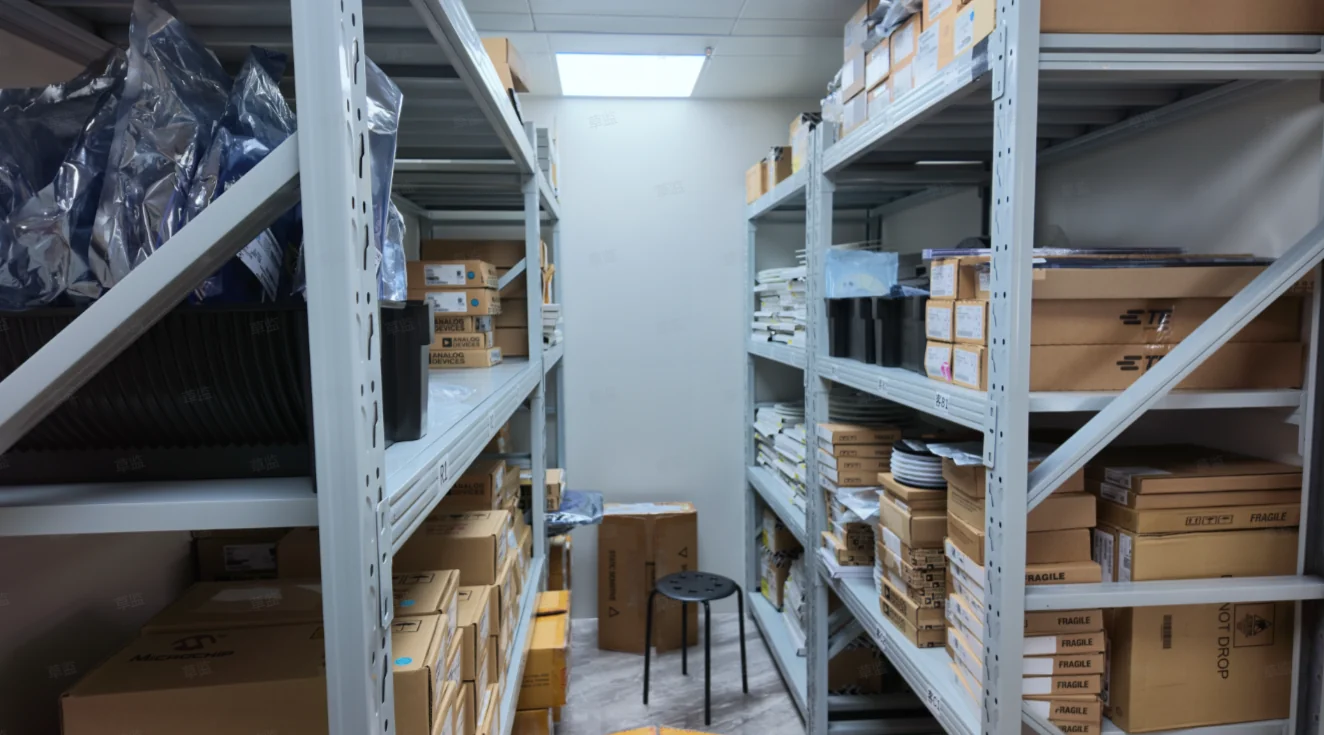
This is why we review more than the headline specification when customers ask about an older motion-sensing component. At Mayhwa, sourcing discussions may include package match, required quantity, delivery timing, traceability, and whether the request is for prototype support, repair stock, or continued production.
The goal is to separate a simple stock inquiry from a broader continuity problem. That distinction helps purchasing teams decide whether they need remaining original inventory, an engineering-approved substitute, or a longer-term redesign plan.
Sourcing Strategy After Discontinuation
Once a component is no longer manufactured, availability can vary widely between suppliers. Buyers should avoid judging stock only by quantity or quoted price. Source history, storage condition, labeling, packaging, and inspection information become more important.
The MPU-9250 9-Axis Motion Tracking IMU is a good example because demand may continue from installed products even after production has ended. Maintenance programs, industrial equipment, existing consumer platforms, and low-volume legacy projects may still require the original device.
We work with a global supplier network and also source inventory through factories and established distributors. For discontinued parts, Mayhwa focuses on matching customer requirements with available supply while keeping lead time, quantity, and sourcing information clear during the quotation process.
For procurement teams, it is useful to forecast remaining lifetime demand before shortages become urgent. Combining engineering input with purchasing data can reduce repeated spot buys and make replacement planning more orderly.
Reading the Device Through a Lifecycle Lens
The TDK InvenSense 9-Axis Motion Sensor should now be viewed as both a technical component and a lifecycle-management issue. Its 9-axis architecture, programmable sensing ranges, compact package, and I2C/SPI interfaces explain its role in motion-oriented products. Its discontinued status also means buyers need to consider remaining requirements, available supply, and the engineering effort associated with a future replacement.
For legacy designs, the useful question is not simply whether the sensor remains available. Engineering and procurement teams should compare the remaining product life, expected demand, package compatibility, sourcing conditions, and possible redesign work together. This gives both sides a clearer basis for deciding whether continued sourcing or a planned component transition is more suitable.