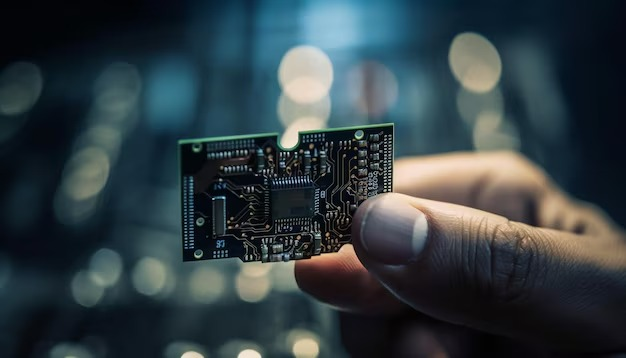
Motion sensors help devices recognize movement, rotation, and physical activity. Engineers often combine acceleration and rotation measurements to understand how equipment behaves. The ICM-42688-P 6-Axis Motion Tracking IMU brings these measurements into one compact component for products with limited board space.
Selecting an IMU requires more than checking dimensions. Measurement range, firmware configuration, interface choice, and assembly requirements all affect the finished design. Procurement teams also need clear specifications before requesting samples. Establishing these requirements early reduces confusion between engineering approval and purchasing decisions.

Rotation and Acceleration Tell Different Stories
Gyroscopes measure angular velocity. For example, a rotating robotic joint produces a different signal from a sensor resting on a workbench. Their readings reveal changes in rotation. Accelerometers measure acceleration along three axes, including the influence of gravity when the device is stationary or moving slowly.
Together, these signals can support orientation estimates. However, a six-axis sensor does not provide an independent magnetic heading reference. Engineers should account for accumulated estimation error when stable orientation information is required.
Mechanical mounting deserves attention during testing. Vibration from motors, loose fixtures, or repeated impacts can affect recorded signals. Comparing bench and enclosure readings helps reveal installation effects.
Teams should define which movements need to be detected before selecting software thresholds. Slow tilting, rapid rotation, and short taps produce different data patterns. Teams can compare each result with a stated response time or event-detection requirement.
Measurement Range Must Reflect the Task
TDK manufactures a six-axis MEMS device that combines a three-axis gyroscope and three-axis accelerometer. The TDK InvenSense 6-Axis IMU Sensor uses an LGA-14 package measuring 2.5 × 3 × 0.91 mm, suitable for compact assemblies. This integration helps hardware teams use one motion component instead of two separate sensor packages.
Its gyroscope offers selectable full-scale ranges from ±15.625 to ±2000 degrees per second. Narrower settings suit slower motion, while wider settings accommodate faster rotation. Narrow settings may saturate during fast movement.
The accelerometer provides selectable ranges from ±2 g to ±16 g. Engineers should compare expected acceleration with these settings, including brief peaks during handling or operation. Use measured conditions rather than application labels.
Low-noise sensing supports detailed motion analysis, but measurement quality also depends on mounting, configuration, and processing. Record chosen ranges and conditions for repeatable tests.
Firmware Determines How Data Becomes Useful
Sensor readings are only part of a motion-tracking system. The device includes a 2 KB FIFO buffer that can hold measurements before the host processor retrieves them. Firmware must schedule data retrieval.
Programmable digital filters offer another adjustment point. Filtering can reduce unwanted signal variation, although stronger filtering may change response behavior. Compare filtered readings against representative movement tests.
Embedded functions include pedometer operation, tilt detection, tap detection, and wake-on-motion. These functions can help recognize defined events without treating each sample as a separate decision. Results depend on configuration and actual movement.
Programmable interrupts can notify the host when configured events occur. Test interrupt handling alongside power management. Developers should confirm that configured events generate the intended response during normal operating cycles. Missed events or unnecessary wakeups may indicate that firmware settings need further work.
Interface Choices Shape Integration Work
The sensor supports I3C, I²C, and SPI communication. Engineers should compare these interfaces with the host controller and existing board architecture. Review pins, software support, and transfer needs.
Its compact LGA-14 package reduces the space reserved for the motion sensor, but small dimensions do not eliminate assembly constraints. Review PCB layout, placement, and inspection before production.
When reviewing the ICM-42688-P 6-Axis Motion Tracking IMU, developers can organize evaluation around interface checks, movement tests, and mechanical fit. Shared test records help purchasing staff understand design decisions. Engineering approval should reference the same component identifier used on purchasing documents.
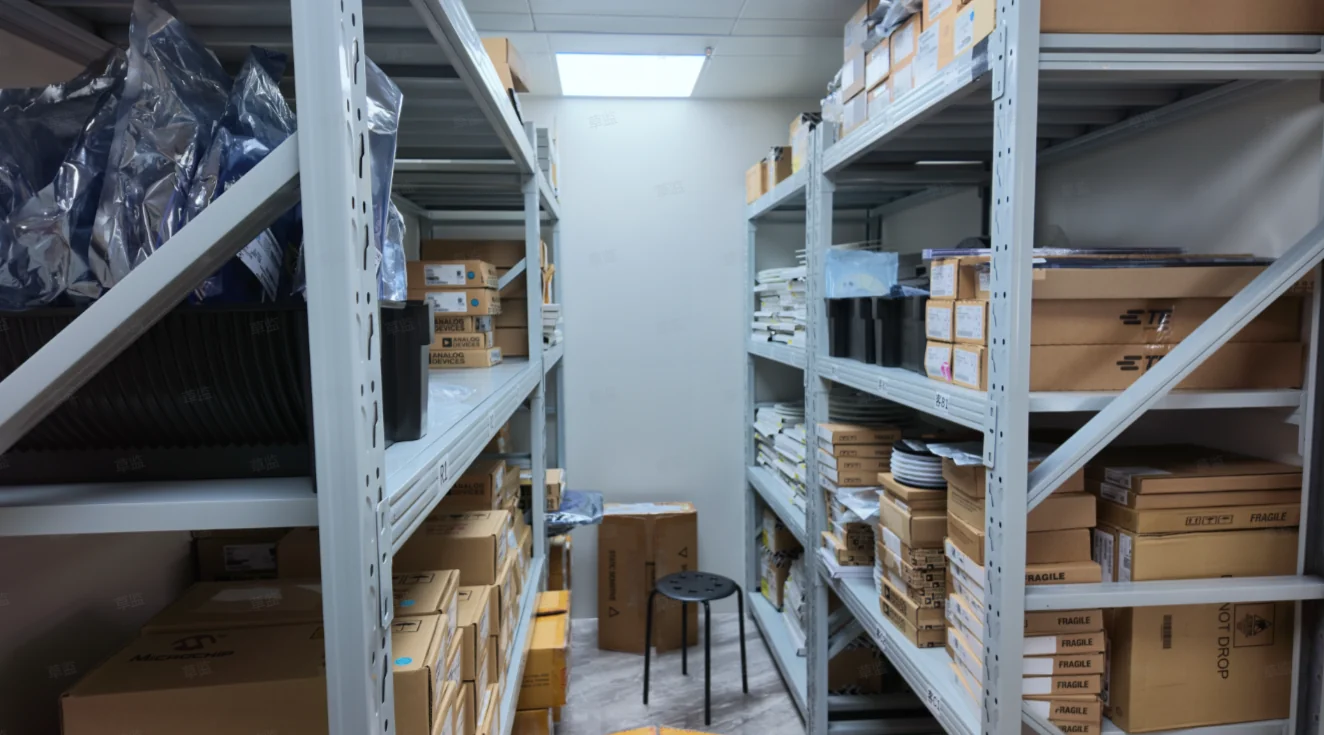
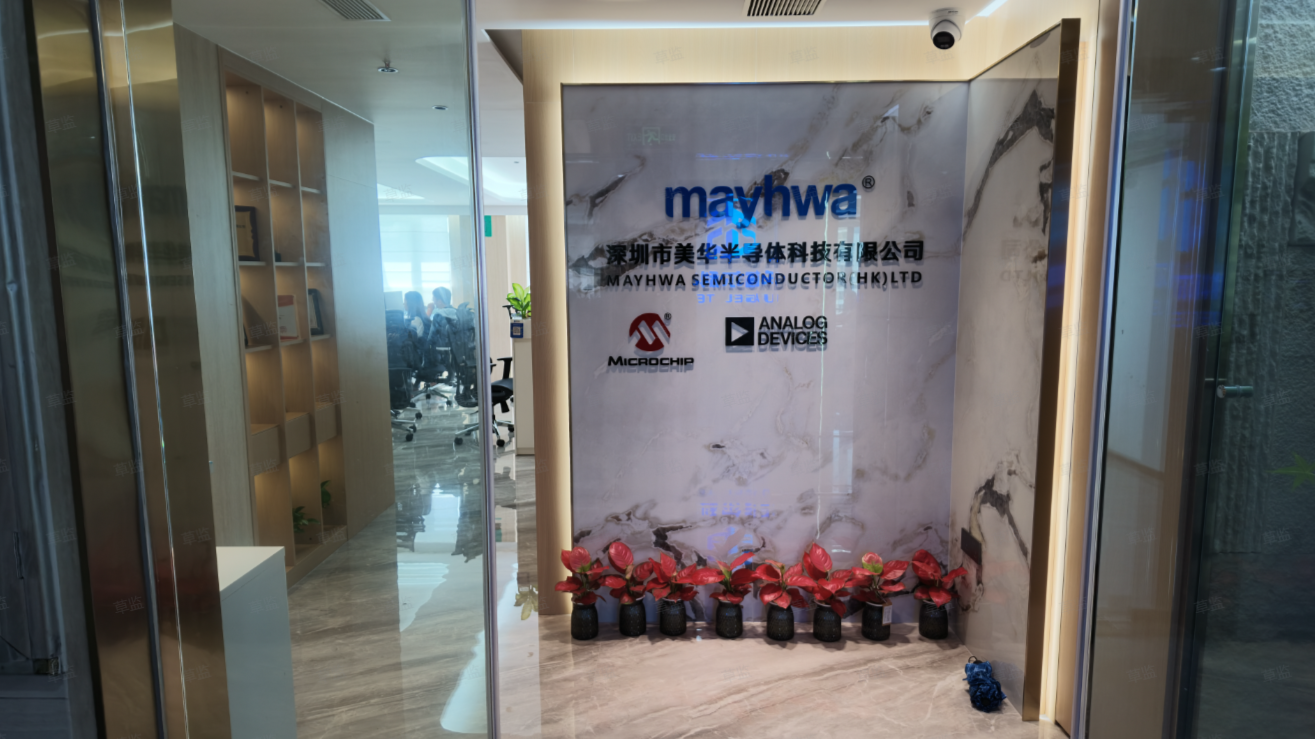
At Mayhwa, we support electronic component sourcing for manufacturing customers. We recommend confirming the exact part number, packaging requirements, sample quantities, and requested delivery schedule before procurement discussions for production.
Application Needs Should Guide Purchasing Checks
Wearable devices often require compact layouts and recognition of user movement. Robotics projects may focus on rotation and acceleration during operation. IoT and AR/VR systems introduce different sampling and power needs.
The TDK InvenSense 6-Axis IMU Sensor can be evaluated across these use cases, but suitability should be confirmed through application testing. Document motion response, enclosure constraints, and operating behavior.
Purchasing teams should request a consistent specification from engineering before comparing offers. Package identification, approved part number, required quantities, and delivery dates help avoid ordering mismatches. Define receiving documentation and quality checks. Incoming teams may need package labels and traceability records for verification against the purchase order.
For projects moving from prototypes to repeat orders, pricing and delivery terms deserve early review. Share engineering changes and volume forecasts with sourcing teams early. We suggest aligning orders with prototype approval so purchasing follows technical validation.
From Evaluation to Production
Effective IMU selection connects electrical testing with mechanical and purchasing decisions. The measurement ranges must suit real movement, firmware settings need validation, and the selected interface must fit the host design. These checks support production planning.
At Mayhwa, we can assist B2B buyers with component availability inquiries, sample requests, and sourcing discussions. Our current listing indicates stock availability for this model; customers should confirm quantities and delivery details when requesting a quotation. This links purchasing decisions to documented needs.