Compact electronic systems often have to convert a low-voltage input into a stable rail for processors, sensors, memory, or interface circuits. Designers must manage board space, efficiency, thermal behavior, and component count while keeping the power stage practical to integrate.
A TPSM82822SILR Compact Step-Down Power Module can be considered when a design needs up to 2 A from a 2.4 V to 5.5 V input. Its integrated inductor and small package suit point-of-load rails where PCB area is limited.

Why Point-of-Load Design Becomes Difficult
Point-of-load conversion places the regulator close to the circuit it powers. This can shorten sensitive power paths, but the converter must share limited PCB space with processors, connectors, memory, and other devices.
Voltage requirements may also vary within one product. A 5 V or 3.3 V bus may need to supply lower rails for digital logic or mixed-signal circuits. The regulator therefore has to match the required voltage range without adding unnecessary complexity.
The TPSM82822SILR supports an adjustable 0.6 V to 4 V output and delivers up to 2 A. Its 100% duty-cycle operation is useful when the input voltage approaches the desired output voltage.
This is where a Texas Instruments Step-Down DC/DC Power Module can simplify part selection. Engineers can evaluate the converter and integrated inductor as one power stage instead of treating them as separate design choices.
Integration Changes the PCB Trade-Off
Discrete buck converters offer flexibility, but they require separate inductor selection and additional placement decisions. Each external part also occupies routing area, which can become important on dense boards.
The TPSM82822SILR combines a synchronous buck converter and inductor in a 10-pin MicroSiP package measuring 2.0 mm × 2.5 mm × 1.1 mm. This construction reduces the footprint of the power stage.
For our customers, integration matters when PCB density is already high. We often see this concern in industrial controls, embedded electronics, medical equipment, and server-related hardware where several rails may share one board. Fewer external power components can also simplify placement planning when the available layout area is tightly constrained.
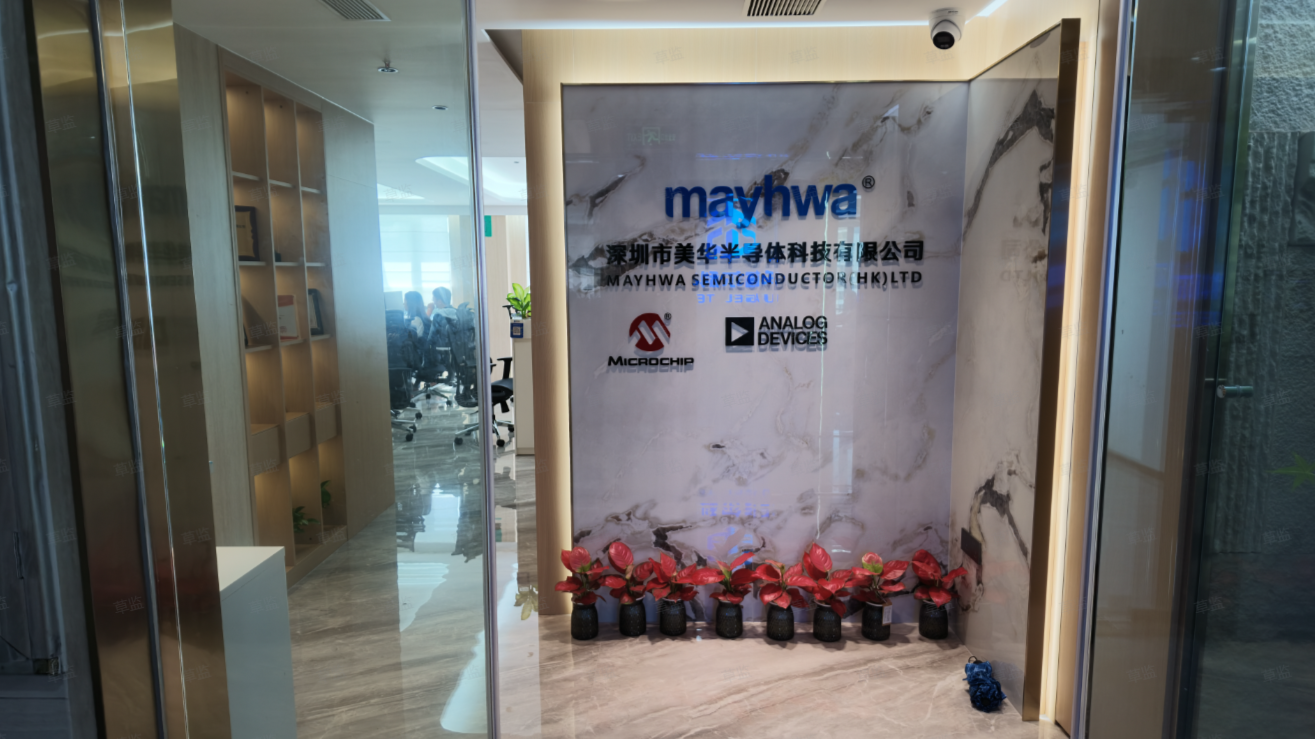
At Mayhwa, we view package size together with electrical requirements. A compact module is useful only when its voltage, current, thermal behavior, and protection functions also fit the intended load.
Efficiency Changes Across the Load Range
Power-conversion efficiency affects heat generation and system power use. The device can reach up to 95% efficiency, but actual results still depend on input voltage, output voltage, current, and operating conditions.
Its DCS-Control topology supports regulation, while power-save mode helps improve efficiency at lighter loads. This is useful in systems that move between active and standby states instead of drawing one fixed current.
The module also has approximately 4 µA operating quiescent current. That characteristic can matter in low-power designs where the regulator remains active while the rest of the system draws limited current.
When engineers compare a TPSM82822SILR Compact Step-Down Power Module with other options, efficiency should be reviewed across the expected load profile. A peak figure alone does not describe behavior in every operating state.
Protection Features Matter Beyond Normal Operation
Compact power stages also need controlled behavior during start-up and faults. Integrated soft start-up can reduce abrupt current demand, while the power-good output can provide status information to other parts of the system.
Output discharge helps bring the rail down after shutdown. Hiccup short-circuit protection provides a controlled fault response, and overtemperature protection adds device-level protection when operating conditions become unfavorable.
These functions do not replace proper system design. Engineers still need to consider PCB layout, input and output capacitance, thermal paths, load transients, and downstream device requirements.
For industrial and server applications, this broader view matters because the regulator is only one part of the power architecture. Its protection and control behavior should match system sequencing and fault-response requirements.
What Buyers Should Check Before Sourcing
Technical compatibility should come before availability. Buyers should confirm the exact model, manufacturer, voltage range, output-current requirement, package, and application conditions before placing an order or approving a substitute.
The model discussed here is manufactured by TI and is listed as available in our stock information. Delivery timing, date code requirements, documentation, quantity, and project schedule should still be checked during procurement. This helps purchasing teams avoid treating current stock status as the only factor in a production decision.
A Texas Instruments Step-Down DC/DC Power Module may be required for a new design, production build, or shortage-related request. Purchasing teams should keep the engineering specification aligned with the exact ordered part.
At Mayhwa, we support B2B component sourcing through global supplier and inventory resources in Shenzhen and Hong Kong. We help customers review technical requirements alongside practical concerns such as price, delivery time, and component quality.
From Specification to Production Choice
Integrated power modules can reduce design effort when board space is limited, but selection still begins with electrical requirements. Input range, output voltage, load current, efficiency, package size, and protection behavior should be reviewed together.
For the TPSM82822SILR, the 2 A rating, integrated inductor, adjustable output, low quiescent current, and compact package make it relevant to space-constrained point-of-load designs. Careful technical review and disciplined sourcing can make the transition from schematic to production more manageable.