As boards become denser, power design becomes a layout problem as well as an electrical problem. Engineers need stable voltage rails, but they also need to save board area, reduce external parts, and keep assembly practical. This matters in industrial controllers, server boards, medical electronics, and other systems where local rails may sit close to processors, memory, sensors, or communication devices.
For these projects, a compact module can simplify early design work. The TPS82130SILR 3A Step-Down Power Module combines a synchronous buck converter and an integrated inductor in a small package. That integration can help engineers evaluate power density, PCB use, and component count together instead of treating them as separate questions.

Why Point-of-Load Size Matters
Point-of-load conversion places regulation close to the circuit using the power. This can shorten the path between the regulator and the load, which is useful when a board contains devices with fast current changes. The design still needs careful placement, routing, grounding, and thermal review, but a smaller module gives engineers more freedom when arranging crowded PCB sections.
The device supports a 3V to 17V input range and up to 3A continuous output current. Its adjustable output range is 0.9V to 6V. These values are relevant when a system has an intermediate bus and several lower-voltage loads. Engineers can compare rail voltage, load current, and input source before deciding whether the module fits the design.
The module uses an 8-pin MicroSiP package measuring about 3mm × 2.8mm × 1.5mm. Its low profile can be useful where board height is limited. Surface-mount construction also suits automated PCB assembly, which matters for B2B projects moving from prototypes into regular production.
What the Integrated Design Changes
A conventional buck stage normally requires the converter IC, power inductor, and supporting components to be placed separately. Integrating the inductor reduces the number of external power-stage parts. This does not remove the need for passive selection or layout review, but it can make the power section easier to fit into compact products.
The Texas Instruments 3A Buck Power Module operates at about 2MHz and uses DCS-Control architecture. The switching frequency supports a compact implementation, while the control method is designed for fast transient response. In practical design work, transient behavior should be checked against the actual load profile rather than judged only from nominal current.
The module also provides Power Good, voltage tracking, programmable soft-start, light-load power-saving operation, and thermal shutdown protection. These functions can support controlled startup and power monitoring. Engineers still need to decide how each function connects to the wider system and whether the required sequencing matches the board architecture.
Where the Electrical Profile Fits
Industrial equipment often contains control processors, communication devices, sensors, and interface circuits that need local DC/DC conversion. In these systems, board space and operating conditions both matter. A compact regulator can be useful, but engineers should also review input variation, expected load steps, ambient temperature, and available copper area around the power section.
Server-related electronics provide another useful example. Dense boards may contain several low-voltage rails and limited placement space. The TPS82130SILR 3A Step-Down Power Module can be considered for compact PoL conversion where its voltage and current ranges fit the load. Designers should still check thermal conditions, rail tolerance, startup behavior, and surrounding airflow before freezing the layout.
Medical and automotive-related electronics can have different qualification and system requirements. Electrical values are only one part of the decision. Project teams also need to review applicable design rules, documentation needs, sourcing plans, and production processes. This broader review helps prevent a technically suitable part from becoming a supply or integration problem later.
Procurement Checks Beyond the Datasheet
From a sourcing perspective, technical fit is only the first step. Buyers usually need to check stock, delivery time, source traceability, and order timing together. The product information provided for TPS82130SILR lists stock as available. For urgent demand, that can support sample preparation or short-term procurement, but quantity and schedule should still be confirmed for each order.
At Mayhwa, we work with a global network of more than 2,000 electronic component suppliers. We also purchase inventory through factories and established distributors such as Avnet, Arrow, Future, and WPG. This sourcing structure can help customers compare availability, delivery time, and purchasing routes instead of relying on one channel.
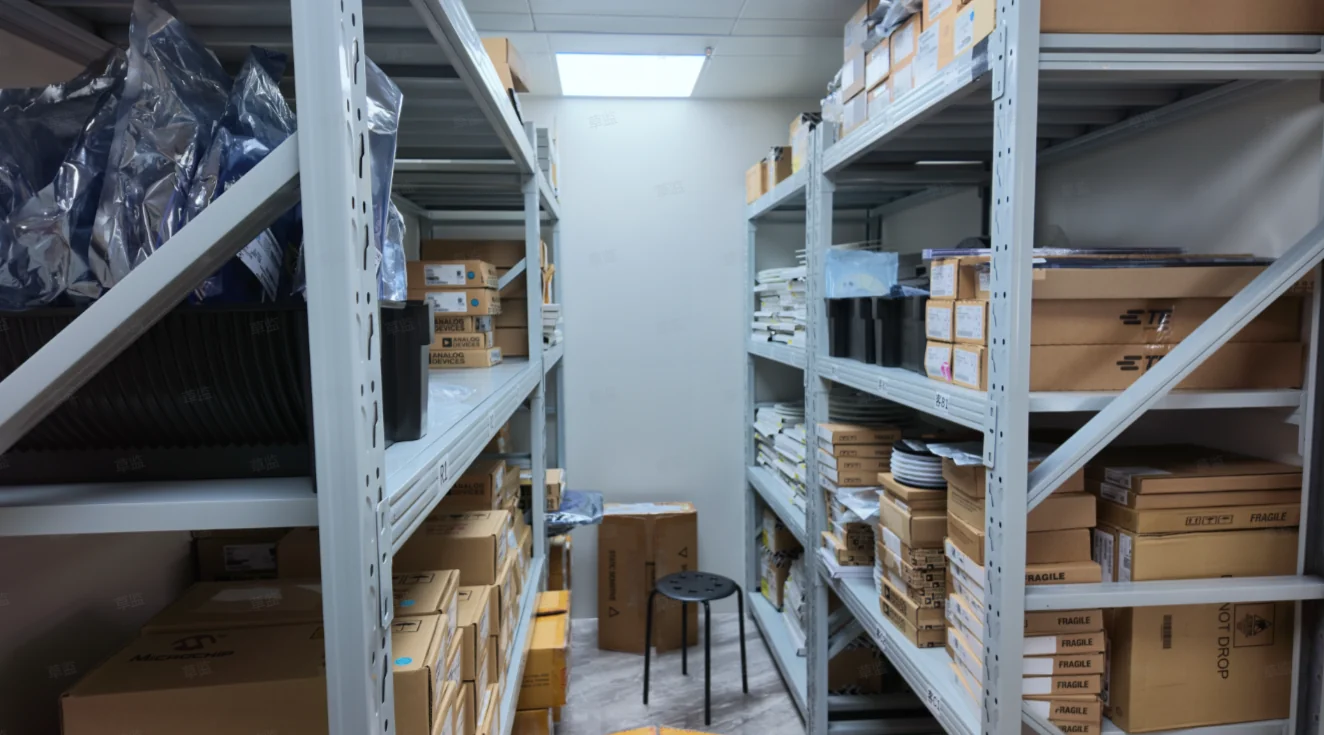
Our Shenzhen and Hong Kong warehouses hold more than 3,000 stocked line items. That supports requests involving urgent quotations, samples, and shortage situations. We do not treat stock alone as the whole answer. For B2B buyers, package, manufacturer, requested quantity, delivery target, and application schedule should be checked together before an order is placed.
Turning Specifications into a Purchase Decision
The Texas Instruments 3A Buck Power Module shows how integration can influence power-system planning. Its synchronous buck converter, integrated inductor, compact MicroSiP package, 3A current capability, and adjustable output range all affect where it may fit. Engineers can use those facts to compare board area, rail requirements, startup control, and transient behavior in a structured way.
For sourcing teams, the same part shows why procurement and engineering should communicate early. At Mayhwa, we can support component sourcing when customers need stock checks, samples, or supply-chain alternatives. A sound decision comes from combining electrical requirements with package limits, production timing, and purchasing conditions before the BOM is finalized.