Choosing a 32-bit MCU for an industrial design is not only a matter of checking clock speed. Engineers also need to consider memory, peripheral resources, communication interfaces, package size, and the type of real-time work the device must handle. These points become especially important when one controller needs to manage several functions at the same time.
For projects that require higher processing capability, the STM32F407VET6 Cortex-M4 Microcontroller MCU can be evaluated through both its core architecture and peripheral set. Looking at these areas together gives purchasing and engineering teams a clearer way to judge whether the device fits the planned control platform.

Processing Capability Behind Real-Time Control
The STM32F407VET6 uses a 32-bit Arm Cortex-M4 core and can operate at up to 168 MHz. It also supports DSP instructions and a floating-point unit. These features are useful when a system needs repeated calculations, signal processing, or fast control responses without relying on a separate processor for every task.
Its memory configuration includes 512 KB of Flash and 192 KB of SRAM. Flash stores program code and fixed data, while SRAM supports temporary data during operation. For industrial control or embedded equipment, engineers should compare these resources with firmware size, communication tasks, control loops, and future function expansion.
Real-time performance also depends on task priority. Designers may separate time-sensitive control functions from lower-priority communication or monitoring work. Reviewing interrupt demand and data movement early can help determine whether the available processing and memory resources match the planned software structure.
The value of a STMicroelectronics Cortex-M4 32-bit MCU also depends on how efficiently the application uses the core. A higher operating frequency alone does not define system performance. Firmware structure, interrupt handling, memory use, peripheral allocation, and communication load can have a direct effect on actual response time.
Peripheral Resources Shape System Architecture
One reason this device is used in varied embedded designs is its integrated peripheral set. It includes multiple timers, 12-bit ADCs and DACs, which can support tasks such as signal acquisition, waveform generation, motor control, timing, and sensor monitoring. Integration can reduce the need for additional external control ICs in some circuit designs.
Communication is another practical consideration. The MCU provides CAN, Ethernet, I2C, SPI, UART/USART, and USB OTG interfaces. Different projects can use these interfaces for local device communication, network connection, sensor links, diagnostic ports, or data exchange with other controllers.
Interface availability should be mapped against the actual board rather than treated as a checklist. Some pins may share alternate functions, so engineers need to review pin assignments before finalizing the layout. This is especially relevant when several communication channels and analog functions are required together.
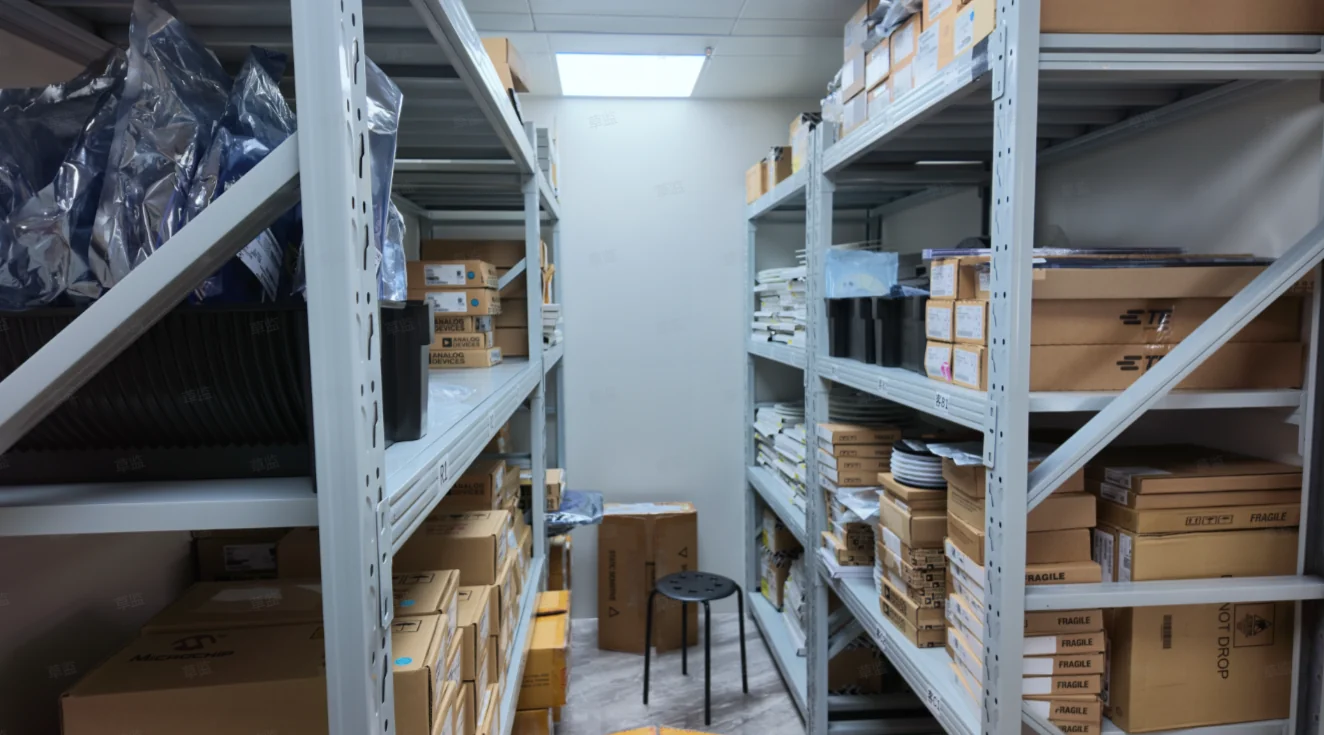
When we help customers review MCU sourcing requirements at Mayhwa, we usually look beyond the part number itself. Application conditions, interface needs, package requirements, quantity, and delivery schedule all matter. This approach is useful for industrial buyers because a technically compatible component still needs to fit production and supply-chain plans.
Package Design Matters During Board Planning
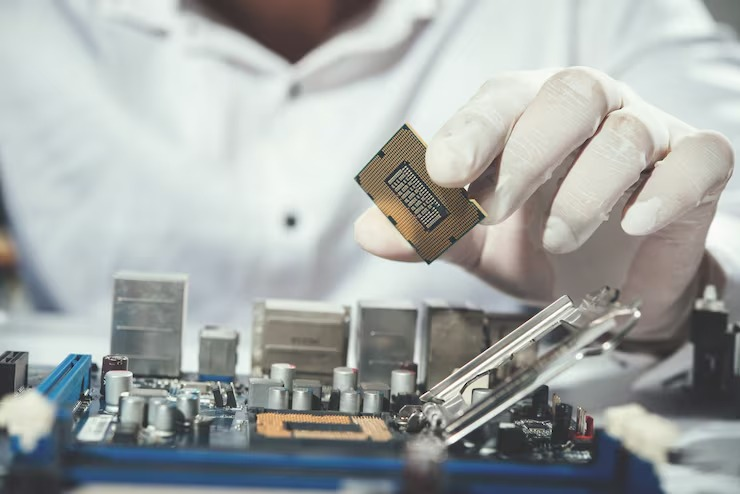
The STM32F407VET6 comes in an LQFP-100 package. This package provides 100 pins for power, control, communication, and peripheral functions while keeping the component relatively compact for a highly integrated MCU. Board designers still need to reserve suitable routing space and follow the device pin arrangement during PCB development.
LQFP packages also give engineers visible leads around the package body. This can support inspection and conventional PCB assembly processes. For production planning, however, package choice should still be reviewed together with board density, soldering process, rework requirements, thermal conditions, and the available manufacturing equipment.
For buyers comparing a STM32F407VET6 Cortex-M4 Microcontroller MCU with other devices, package compatibility can be as important as core performance. A change in package or pin assignment may require PCB revisions, new assembly checks, or firmware changes. Early confirmation can reduce avoidable work during prototype and production stages.
Application Fit Comes Before Component Selection
This MCU is designed for areas such as industrial control, audio processing, motor control, and other embedded applications. Each field places different demands on the device. Motor control may depend heavily on timers and real-time response, while connected industrial equipment may make greater use of Ethernet, CAN, UART, or USB functions.
The same principle applies when evaluating a STMicroelectronics Cortex-M4 32-bit MCU for new equipment. Engineering teams should first define processing load, required interfaces, memory demand, I/O count, timing requirements, and board constraints. This creates a technical checklist that can be compared with the device specification before purchasing begins.
Supply conditions then become part of the decision. The STM32F407VET6 is listed as available in stock. At Mayhwa, we support electronic manufacturers with component sourcing and supply-chain services, including urgent quotations, sample needs, and shortage-related sourcing. We also work with supplier resources across different markets to support B2B procurement requirements.
Turning Technical Data Into a Practical Decision
A suitable MCU should be reviewed as part of the full electronic system rather than as an isolated specification. Core speed, DSP and FPU support, Flash, SRAM, analog resources, timers, communication interfaces, and package format all influence how the component fits a board and its intended workload.
For procurement teams, technical fit should also be checked alongside price, delivery schedule, quality requirements, and stock status. Combining engineering review with sourcing considerations gives industrial and server-related projects a more practical basis for component selection, especially when prototypes need to move toward stable production.