Server platforms place heavy demands on point-of-load power stages. Processors, memory, networking devices, and high-speed interfaces often require low-voltage rails with rapid current changes. Designers therefore need to look beyond nominal current ratings. Input range, transient response, switching frequency, package size, light-load behavior, and capacitor compatibility can all influence how a regulator performs in a dense board layout.
For B2B engineering teams, power-device selection also affects sourcing and production planning. A regulator must match board space, thermal limits, passive components, and delivery schedules. We prefer to review each device within the complete power path rather than treat one specification as the only decision point.

Why High-Current POL Rails Need Careful Evaluation
Modern server boards often distribute an intermediate bus voltage and then convert it close to the load. This approach can reduce distribution losses and help each rail respond more directly to processors, ASICs, FPGAs, memory, or high-current I/O circuits.
Manufactured by TI, a TPS53515RVER High-Current Step-Down DC/DC Converter can fit this architecture because the device supports a 1.5V to 18V input range and delivers up to 12A continuous output current. Its adjustable output range extends from 0.6V to 5.5V, giving engineers room to address several low-voltage rails.
Current rating should not be reviewed alone. Engineers also need to examine load steps, output ripple, power losses, PCB copper area, airflow, and operating temperature. These factors can change the practical margin available in production.
For servers and networking equipment, repeated load transitions are common. The power stage must react quickly enough to limit voltage deviation when computing activity changes. This makes control behavior and output-network design important during evaluation.
Control Behavior During Fast Load Changes
The device uses D-CAP3™ control mode for fast load-transient response. In high-current digital systems, this can help the regulator respond to sudden demand changes without relying on a complex compensation network.
Integrated power MOSFETs can simplify the power stage. Fewer external switching components may reduce routing complexity, although layout discipline remains important. Designers still need short current loops, suitable grounding, and careful placement of input and output capacitors.
The Texas Instruments High-Current Buck Converter also supports ceramic output capacitors. Ceramic capacitors are common in compact POL designs because of their small size and low ESR. Engineers should still consider capacitance derating, voltage bias, ripple requirements, and the target transient profile.
We usually recommend reviewing both the schematic and expected operating profile before freezing a bill of materials. Different load patterns may call for different passive values or thermal treatment.
Switching Frequency Changes the Design Balance
Eight selectable switching frequencies from 250kHz to 1MHz provide flexibility when balancing efficiency, passive size, and switching losses. Higher frequency can permit smaller inductors and capacitors, while lower frequency may reduce switching loss in some operating conditions.
This choice matters on space-limited server boards. A compact power stage may be useful, but the surrounding magnetic and thermal design still needs suitable margin. Frequency selection should be considered together with inductor rating, output capacitance, airflow, and duty cycle.
The device also provides Eco-mode™ for improved light-load efficiency. FCCM is available when low-ripple operation is a stronger design priority. These modes should be selected according to actual system behavior.
Server, telecommunications, optical, and networking systems can have different load profiles even when their nominal voltage and current targets appear similar. That difference makes application-specific testing important.
Package Size Affects Board Layout
The regulator comes in a 3.5mm × 4.5mm, 28-pin VQFN-CLIP package. This compact footprint suits dense boards, but a small package makes PCB layout and heat spreading more important.
Engineers should review the pad pattern, copper distribution, thermal vias, current paths, and nearby heat sources. Placement near the load can reduce distribution impedance, but it should not create a local thermal hotspot beside processors, memory, or other power stages.
A TPS53515RVER High-Current Step-Down DC/DC Converter should therefore be evaluated not only by its electrical table, but also by how it fits the physical power architecture. Server and cloud-computing POL rails, broadband infrastructure, optical communications equipment, and high-current I/O supplies are relevant application areas.
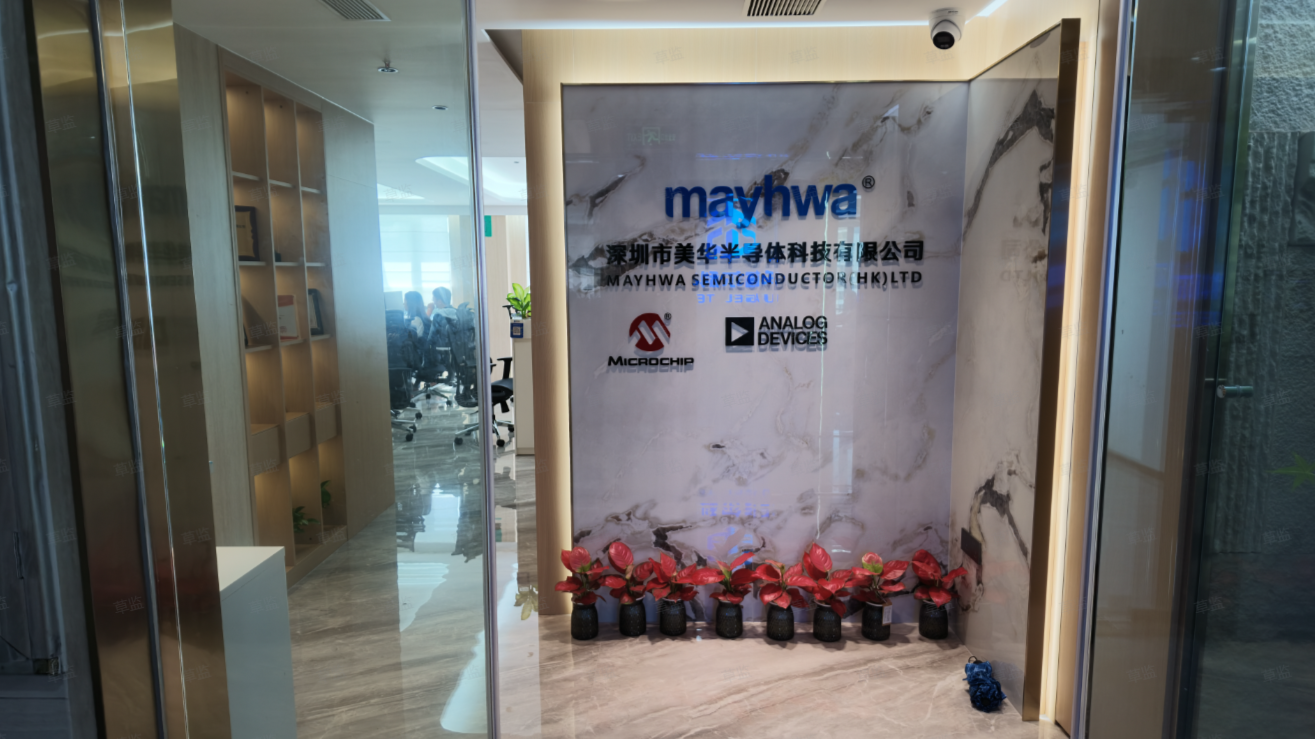
At Mayhwa, we examine these technical details together with sourcing needs. As an independent electronic component distributor, we support B2B customers that may need stock visibility, urgent quotations, samples, or sourcing support during component shortages.
Supply Planning Follows Technical Approval
After technical approval, procurement teams still need to confirm availability, quality expectations, lead time, and order timing. The product information provided for this device lists stock as available, which may help buyers handling prototype schedules or production demand.
The Texas Instruments High-Current Buck Converter should also be checked against the exact manufacturer part number, package, and application requirement before purchase. This helps reduce confusion between related variants that may have similar names but different packaging or electrical details.
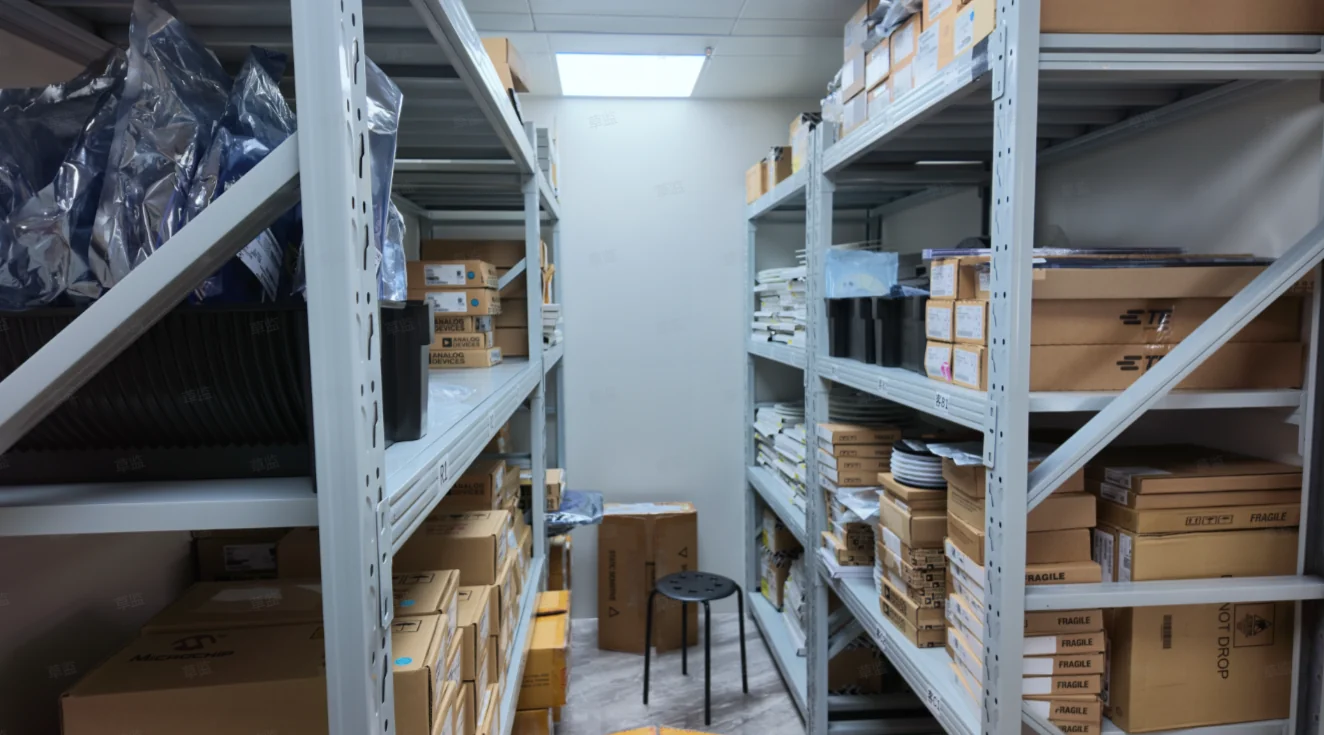
Our sourcing work connects customers with a broad supplier network, including factory channels and inventory purchased through established distributors. Mayhwa also maintains stocked lines in Shenzhen and Hong Kong, which can support urgent B2B sourcing discussions when timing becomes important.
A sound POL design combines electrical fit with practical supply planning. By reviewing input range, output current, transient behavior, switching options, package constraints, thermal layout, and sourcing conditions together, engineering and procurement teams can make a more informed decision before a server or networking platform moves toward production.