Server hardware puts greater computing capacity into limited PCB space. This makes power-stage layout a practical design issue rather than a purely electrical one. Compact regulators can reduce occupied area, but engineers still need to manage heat flow, switching noise, current paths, and nearby components. These considerations become important when low-voltage rails supply demanding loads inside dense server and networking platforms.
For our B2B customers, engineering teams often focus on thermal performance and board space, while procurement teams review price, delivery schedules, and component availability. We review these questions together before releasing a power-stage layout for prototyping.
Why Package Size Changes Thermal Planning
Small packages can help designers fit more functions onto crowded boards, but they also concentrate heat within a limited footprint. Texas Instruments offers the TPS53513RVER in a 3.5 mm × 4.5 mm, 28-pin VQFN-CLIP (RVE) surface-mount package. Its compact dimensions may suit power stages near processors, FPGA devices, network controllers, or high-current I/O circuits.
The TPS53513RVER High-Current Step-Down DC/DC Converter supports a 1.5 V to 18 V input range and delivers up to 8 A continuous output current. Its adjustable output range extends from 0.6 V to 5.5 V. These ratings help establish electrical suitability, but thermal performance also depends on PCB copper, airflow, and operating conditions.
Heat spreading deserves attention before the routing stage is complete. Copper distribution, thermal vias, current paths, and component spacing can influence how efficiently the board transfers heat away from the regulator. Designers should also review the placement of heat-sensitive devices near inductors and other power components.
Switching Frequency Is a Layout Decision Too
Switching frequency influences conversion losses, magnetic component size, output filtering, and electromagnetic interference. TPS53513RVER supports selectable switching frequencies from 250 kHz to 1 MHz, which provides flexibility when balancing passive component dimensions against efficiency and heat generation.
Higher frequencies may allow smaller inductors and capacitors, helping designers conserve PCB area. However, switching losses and layout sensitivity can increase. Lower frequencies can reduce certain switching losses, although larger magnetic components may be needed to achieve the intended ripple and transient performance.
This is why a Texas Instruments High-Current DC/DC Converter should be evaluated within the complete power stage. Engineers need to review the selected inductor, capacitor network, input decoupling, thermal paths, and EMI requirements rather than choosing frequency based on footprint alone.
We also encourage customers to review the position of switching nodes relative to sensitive signals. Short current loops, careful grounding, and appropriate spacing help limit unnecessary interference with adjacent high-speed circuits.
Load Transients Can Expose Layout Weaknesses
Current demand can change rapidly in servers, DSP platforms, and FPGA-based equipment. During a load step, voltage behavior depends on the regulator, output capacitors, PCB impedance, and connections to the load. Long traces or poorly placed capacitors can make voltage deviation harder to control.
The device uses D-CAP3™ control mode for fast load-transient response. Its integrated low-resistance MOSFETs support synchronous step-down conversion, while compatibility with ceramic output capacitors allows compact filtering arrangements. Those features simplify certain design choices, but they do not replace careful layout review.
Eco-mode™ supports improved efficiency under lighter loads, while FCCM provides an option for low-ripple operation. The appropriate mode depends on the application. Engineers working with sensitive DSP or FPGA rails should compare ripple measurements and transient behavior under representative operating conditions.
The TPS53513RVER High-Current Step-Down DC/DC Converter can be assessed for compact point-of-load power stages where current demand and available board area must be balanced. Prototype testing should include voltage deviation, temperature rise, and the behavior of surrounding components.
Procurement Questions Start After the Schematic Works
Electrical approval does not finish the procurement process. Purchasing teams still need to confirm the manufacturer part number, package designation, quantity, pricing, and expected delivery date. Similar-looking part numbers can carry different electrical ratings, so the approved bill of materials should be checked against the exact ordering code.
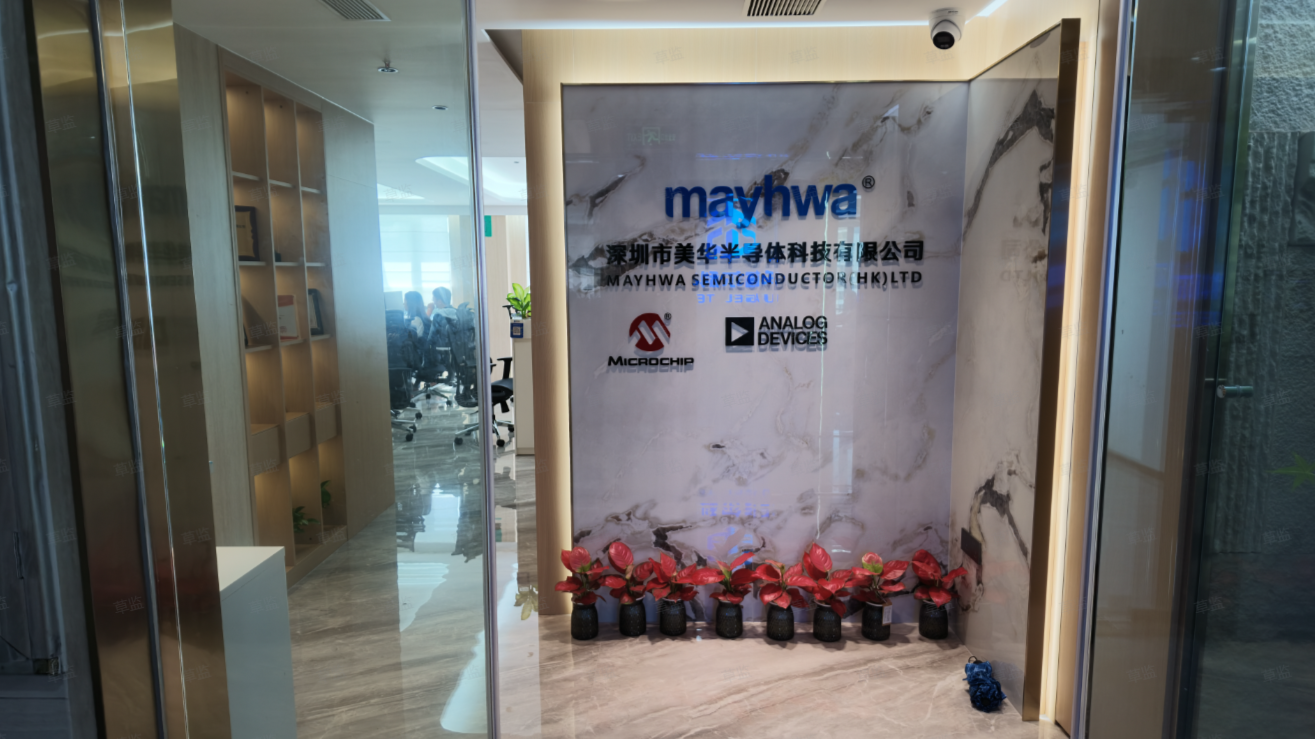
We at Mayhwa support electronic component sourcing and supply-chain discussions for business customers. We can help review quotation needs, sample requests, and sourcing options once engineering teams define their approved part requirements. Inventory availability and delivery timing should be confirmed for each order rather than assumed from an earlier quotation.
Our supplier network includes more than 2,000 electronic component suppliers worldwide. We purchase through factories and established distributors, including Avnet, Arrow, Future, and WPG. These channels can help purchasing teams compare possible sourcing routes when production schedules are under pressure.
For the Texas Instruments High-Current DC/DC Converter, procurement records should retain the 8 A rating and RVE package information. This helps prevent confusion with related devices during design transfer, production planning, or later maintenance purchases.
From Prototype Layout to Production Planning
Compact power design requires more than selecting a small regulator package. Frequency affects passive component choices, operating mode influences ripple and light-load behavior, and PCB geometry affects both thermal performance and transient response. Testing these factors together gives engineering teams a clearer basis for releasing a design.
We view component sourcing as part of that same process. Mayhwa works with industrial and server-related buyers who need to connect approved technical requirements with practical purchasing decisions. Clear specifications, measured prototype results, and verified order details help move a power-stage design from engineering review toward production without unnecessary part-number confusion.