Modern FPGA, DSP, and ASIC boards often need several voltage rails in limited PCB space. The challenge is not only generating the required voltages. Designers also need to consider heat, transient response, layout complexity, and current distribution. A compact power stage can reduce routing pressure when several loads sit close together.
For B2B engineering and sourcing teams, we believe the useful question is how one module fits the board. Input range, channel current, output flexibility, package size, protection functions, and sourcing conditions should be reviewed together. This gives a clearer basis for design and purchasing decisions.

Why Four Independent Rails Matter
Digital systems rarely rely on one supply voltage. FPGA cores, memory, I/O banks, DSPs, and peripheral circuits may require different rails. A four-channel module can support this architecture without spreading several regulator circuits across the board.
The LTM4644IY#PBF Quad Step-Down DC/DC Power Module provides four independently configurable outputs. Manufactured by ADI, it is a DC/DC converter for 0.6V to 5.5V output rails. Each channel supports 4A continuous current and 5A peak current. Outputs can also be paralleled, allowing configurations up to 16A.
Its programmable output range is 0.6V to 5.5V. The input range is 4V to 14V, or 2.375V to 14V with external bias. Engineers can compare these limits with the planned intermediate bus and load requirements before selecting the device.
The Analog Devices Quad Buck Power Module is suited to point-of-load conversion where several rails must be generated in a compact area. FPGA, DSP, ASIC, and similar systems are typical applications, but the final choice still depends on the board power tree.
Integration Changes PCB Planning
A discrete regulator section may require controllers, MOSFETs, inductors, compensation parts, and supporting components. Those parts need placement and routing space. On a dense board, power conversion can compete with processors, memory, connectors, and signal paths.
Analog Devices integrates switching controllers, power MOSFETs, inductors, and support components in this µModule® device. Only a small number of external input and output capacitors are required. This can simplify implementation and reduce the number of separate power components that engineers must place.
The device uses a 77-lead BGA package measuring 9mm × 15mm × 5.01mm. Package data deserves careful checking because the supplied BGA-104 designation does not match the manufacturer’s current listing. A package mismatch can affect footprint selection, BOM review, and stock comparison.
At Mayhwa, we see this detail matter during component sourcing. When engineering files, distributor listings, and internal BOM records use different package descriptions, buyers should verify manufacturer information before purchasing rather than relying on a short catalog label.
Control Functions Around Dynamic Loads
Processor and programmable-logic loads can change quickly. Voltage regulation and transient behavior therefore matter alongside current capacity. This device uses current-mode control and is specified with ±1.5% total output voltage regulation and fast transient response.
Output voltage tracking is available for systems that need coordinated rail behavior. External frequency synchronization is also supported, which can help when the switching frequency needs to fit a wider system plan. These functions give engineers more options when several converters operate on the same board.
Internal temperature sensing is integrated together with overvoltage, overcurrent, and overtemperature protection. These functions support device-level protection, but they do not replace board-level thermal analysis, capacitor selection, airflow planning, or system protection.
When a project needs more current on one rail, the outputs can be paralleled rather than used as four separate channels. That flexibility can help engineers adapt the same power architecture to different FPGA or ASIC loading patterns.
Technical Fit and Supply Fit
Electrical suitability is only one part of a B2B component decision. Procurement teams also need to review price, delivery timing, source quality, stock condition, and traceability. These points matter when a device is tied to a production schedule or shortage-sensitive BOM.
The LTM4644IY#PBF Quad Step-Down DC/DC Power Module should therefore be checked by engineering and purchasing teams. Engineers can focus on voltage rails, output current, package size, thermal conditions, and control functions. Buyers can verify the exact part number, source, quantity, and expected delivery.
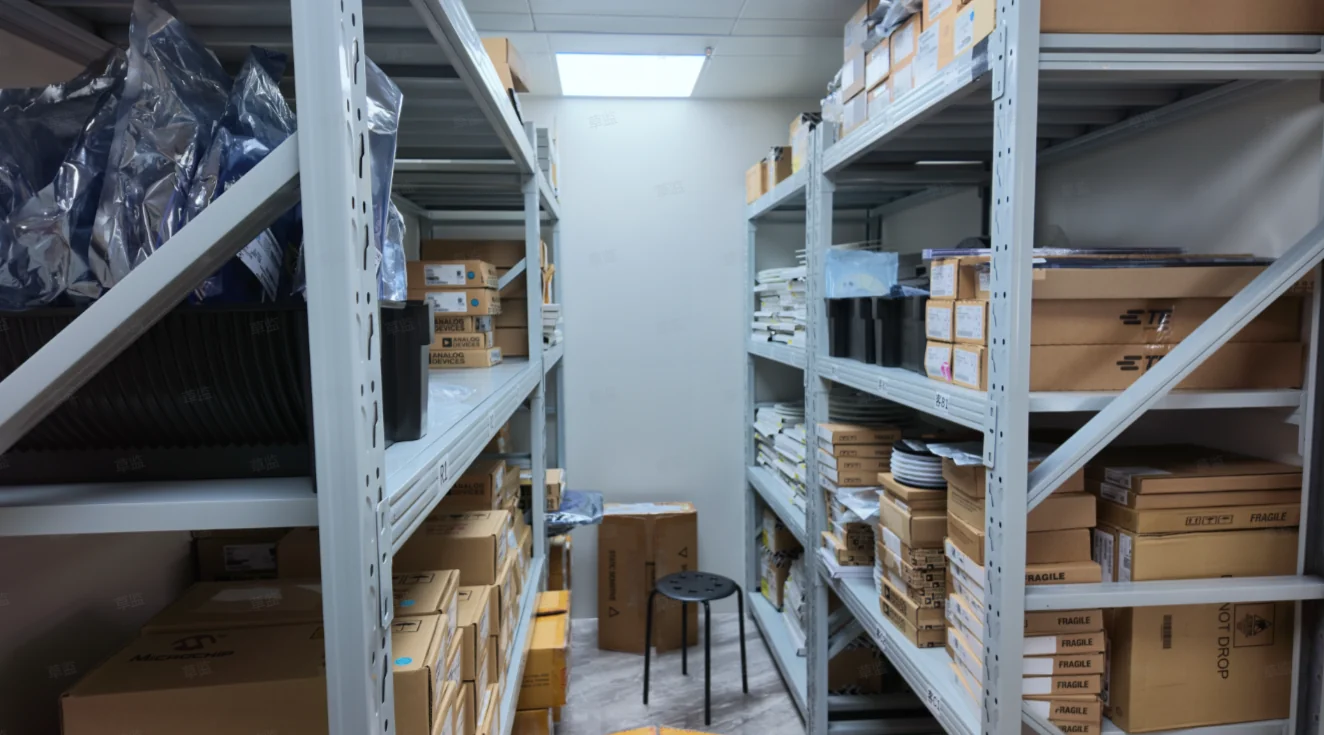
As an independent electronic components distributor, Mayhwa works with more than 2,000 supplier resources worldwide and purchases inventory through factories and official distributors such as Avnet, Arrow, Future, and WPG. We support urgent quotations, sample requests, shortage-related sourcing, and other supply-chain needs for B2B customers.
The same process applies when sourcing the Analog Devices Quad Buck Power Module for industrial, server, medical, automotive, or other electronic systems. A technically suitable part can still create project risk if the package reference, source, quantity, or delivery plan is not confirmed early.
From Power Tree to Purchase Order
A practical evaluation can start with a rail list. Engineers can record each required voltage, continuous current, peak demand, startup relationship, and available input bus. They can then decide whether four independent channels or a paralleled configuration better matches the design.
After that, we recommend reviewing package footprint, thermal conditions, capacitor needs, switching behavior, protection functions, and supply information. Connecting these technical and sourcing checks helps reduce avoidable changes between prototype planning and purchasing. For compact FPGA, DSP, and ASIC systems, reviewing electrical needs, PCB space, package details, source quality, price, and delivery timing together gives both engineering and procurement teams a sound basis for the final decision.