Embedded systems often depend on a small amount of nonvolatile memory to hold firmware, boot code, calibration values, and configuration data. The storage device may look simple, but its interface, density, package, voltage range, and operating temperature can affect board layout and system behavior.
For B2B engineers and procurement teams, the selection process should connect electrical requirements with the actual application. The selected flash device should fit the controller interface and storage plan. This can simplify firmware storage and reduce unnecessary hardware changes during later product updates.

Storage Density Should Match the Firmware Plan
Memory density is one of the first points to review. The W25Q128JVSIQ 128Mb SPI NOR Flash Memory provides 128Mb of storage with a 16M × 8 organization. This capacity can support firmware images, configuration files, code storage, and other embedded data that must remain available after power is removed.
Density should not be judged in isolation. Engineers also need to estimate boot code size, firmware growth, reserved recovery space, and future function updates. Leaving practical margin can make later software revisions easier to manage without immediately changing the hardware platform.
The device operates from 2.7V to 3.6V, which fits many common embedded power architectures. Voltage compatibility matters because memory and controller devices must work within the same electrical environment. This check should happen before layout work is completed.
At Mayhwa, we often see B2B sourcing requests where the part number has already been selected by engineering, but the buyer still needs to confirm manufacturer, package, stock condition, and delivery timing. Clear technical identification helps purchasing teams avoid confusion between similar flash families.
Interface Modes Change How Data Moves
Serial flash is widely used because it can provide useful storage capacity without requiring a wide parallel bus. Standard SPI uses fewer signal lines, which can help designers keep routing simpler on compact boards.
The Winbond 128Mb Serial NOR Flash supports Standard SPI, Dual SPI, and Quad SPI operation. These interface modes give designers more flexibility when balancing pin count and data transfer requirements. Quad SPI can move more data per clock cycle than standard single-data-line SPI, which can be useful when code or data must be read more quickly.
Clock capability is another practical point. The device supports frequencies up to 133MHz. Actual system speed still depends on the controller, PCB design, firmware settings, and selected read mode, so engineers should evaluate the complete signal path rather than relying on the memory rating alone.
Write protection also deserves attention. Hardware and software protection functions can help restrict unintended changes to selected memory areas. This is relevant when a system stores boot code, device settings, or other data that should not be rewritten during normal operation.
Package Details Affect Board-Level Decisions
Package type can influence footprint, assembly, inspection, and replacement work. This device is supplied in an SOIC-8, 208-mil package. That format is familiar in many embedded designs and provides a compact serial-memory option without using a high-pin-count package.
Engineers should still check the exact land pattern, board spacing, and assembly process before finalizing the design. Similar-looking devices may use different package widths or pin assignments, so matching the full ordering code is important.
Temperature range is also relevant for industrial products. The specified operating range is -40°C to +85°C. This range supports use in embedded controllers, industrial equipment, and other systems that may face wider environmental conditions than typical office electronics.
Viewed as a complete component, the W25Q128JVSIQ 128Mb SPI NOR Flash Memory combines 128Mb density, serial interface flexibility, SOIC-8 packaging, the stated voltage range, and industrial-temperature operation. Engineers can review these factors together instead of treating capacity as the only selection point.
Application Fit Comes Before Purchasing Speed
Potential applications include embedded controllers, consumer electronics, industrial equipment, and systems that need compact nonvolatile code or data storage. In each case, engineers should verify controller compatibility, memory map needs, read mode support, write protection strategy, and environmental limits.
For server-related and industrial sourcing projects, buyers may also need to consider lifecycle planning. Even a technically suitable component can create procurement pressure if availability, delivery time, or source verification is not reviewed early enough.
This is where Mayhwa can support the purchasing side of the process. Our role is not to replace engineering validation. We help customers check sourcing options through a network of more than 2,000 suppliers, direct factory channels, and established distributors such as Avnet, Arrow, Future, and WPG.
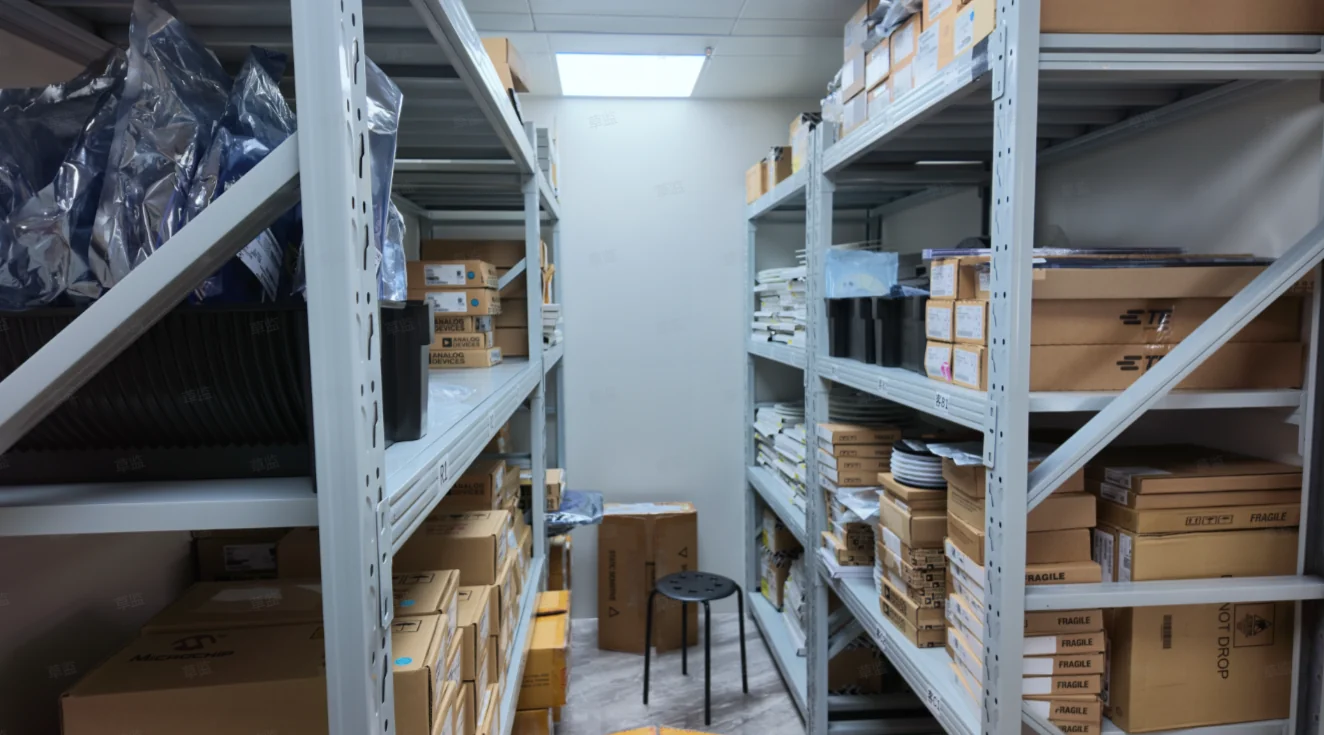
Our Shenzhen and Hong Kong warehouses also hold more than 3,000 stocked line items. For urgent quotations, sample requests, and shortage situations, this inventory can provide another sourcing path when timing becomes part of the project decision.
Practical Review Before Final Selection
The Winbond 128Mb Serial NOR Flash is suitable for designs that need serial nonvolatile memory for firmware, code, or configuration data. Its interface support, 133MHz clock capability, 2.7V to 3.6V supply, protection functions, package format, and industrial temperature range give engineers several points to evaluate during design review.
Procurement teams can then focus on the commercial side: source credibility, delivery schedule, price, and stock status. When technical fit and sourcing conditions are reviewed together, component selection becomes more practical for long-term B2B projects and less dependent on a single purchasing factor.