Choosing a microcontroller for an embedded control project is rarely about clock speed alone. Engineers also need to examine memory size, communication options, analog resources, package size, operating voltage, and environmental limits. These details affect PCB layout, firmware planning, peripheral expansion, and long-term compatibility with the target system.
For industrial buyers, component selection also connects directly with sourcing. A design may perform well in the lab, but procurement teams still need to consider stock status, package availability, delivery time, and replacement planning. A device with broad peripheral support can simplify engineering review and later purchasing decisions.
Processing Resources for Control Tasks
The STM32F103RCT6 Cortex-M3 Microcontroller MCU uses a 32-bit ARM Cortex-M3 core and can operate at up to 72 MHz. It integrates 256KB Flash and 48KB SRAM. This gives engineers room for application code, control logic, communication routines, and data handling without moving immediately to a larger device class.
Its 51 I/O lines are useful when one controller must connect with sensors, switches, relays, indicators, or external modules. Timers and PWM functions can support motor control, pulse generation, frequency measurement, and time-based automation. These resources suit equipment where several control tasks need to run together.
Memory size also matters during firmware development. Flash space can hold communication stacks, diagnostic functions, and control algorithms. SRAM affects buffering, temporary calculations, and communication handling. Engineers should compare expected firmware growth before finalizing a part rather than selecting only for the first prototype.
Interface Planning Matters Early
The STMicroelectronics Cortex-M3 32-bit MCU provides CAN, I²C, SPI, UART/USART, and USB interfaces. These options allow one controller to connect with sensors, displays, communication modules, external memory, service tools, or higher-level controllers. Interface planning should begin before schematic completion because pin allocation can affect later board changes.
CAN can be useful in industrial and automotive-style networks where multiple nodes exchange control data. SPI and I²C are often used for nearby sensors or peripheral ICs. UART and USART support serial communication with modules and service equipment. USB can help in systems that need direct host connectivity.
The MCU also includes 12-bit ADCs, DACs, DMA, watchdog functions, and PWM resources. ADC channels can read analog sensors, while DAC functions can generate analog control signals. DMA can move data with less processor involvement, which may help in communication-heavy applications and reduce some external circuitry.
Package Details Affect Board Design
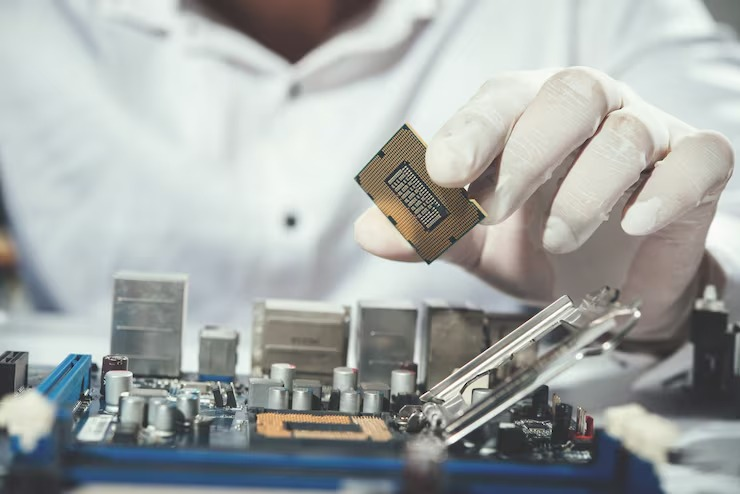
STM32F103RCT6 is supplied in a 64-pin LQFP-64 surface-mount package with an approximately 10 × 10mm footprint. It contains 256KB Flash and is designed as a 32-bit MCU. This format provides a practical pin count for communication, analog, and digital connections while keeping board space under control.
The device supports a 2.0V to 3.6V supply range and an operating temperature range from -40°C to +85°C. These values matter when engineers review power architecture and environmental requirements. The temperature range also makes the part relevant to industrial equipment operating outside ordinary indoor conditions.
LQFP packages can be convenient during prototype inspection because the pins remain visible around the package edge. PCB designers still need to review routing density, decoupling placement, grounding, and signal assignment carefully. Package choice should be evaluated together with manufacturing capability and board-space limits.
Sourcing Conditions Behind the BOM
For procurement teams, the STM32F103RCT6 Cortex-M3 Microcontroller MCU is not only a technical specification. Stock position, traceability, delivery planning, and supplier reliability can affect project schedules. The product is currently listed as available, which may support sample requests, maintenance needs, or production planning when demand is time-sensitive.
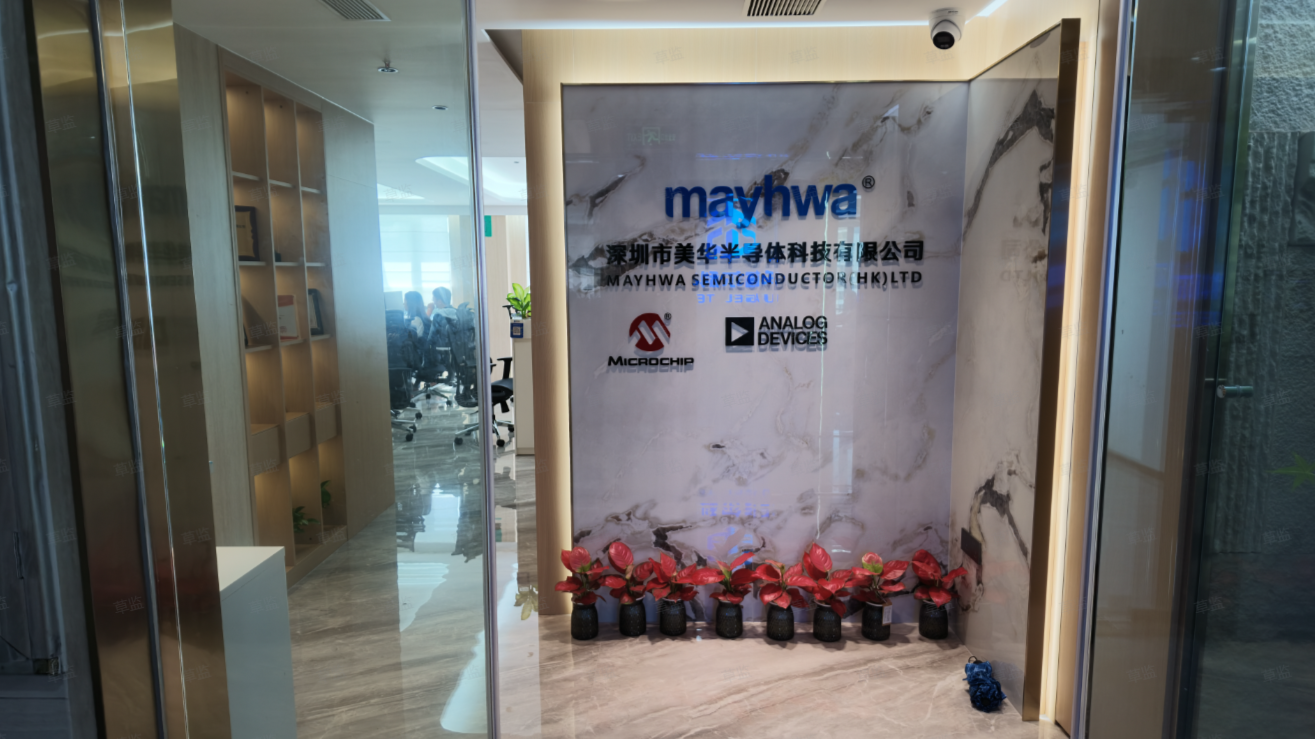
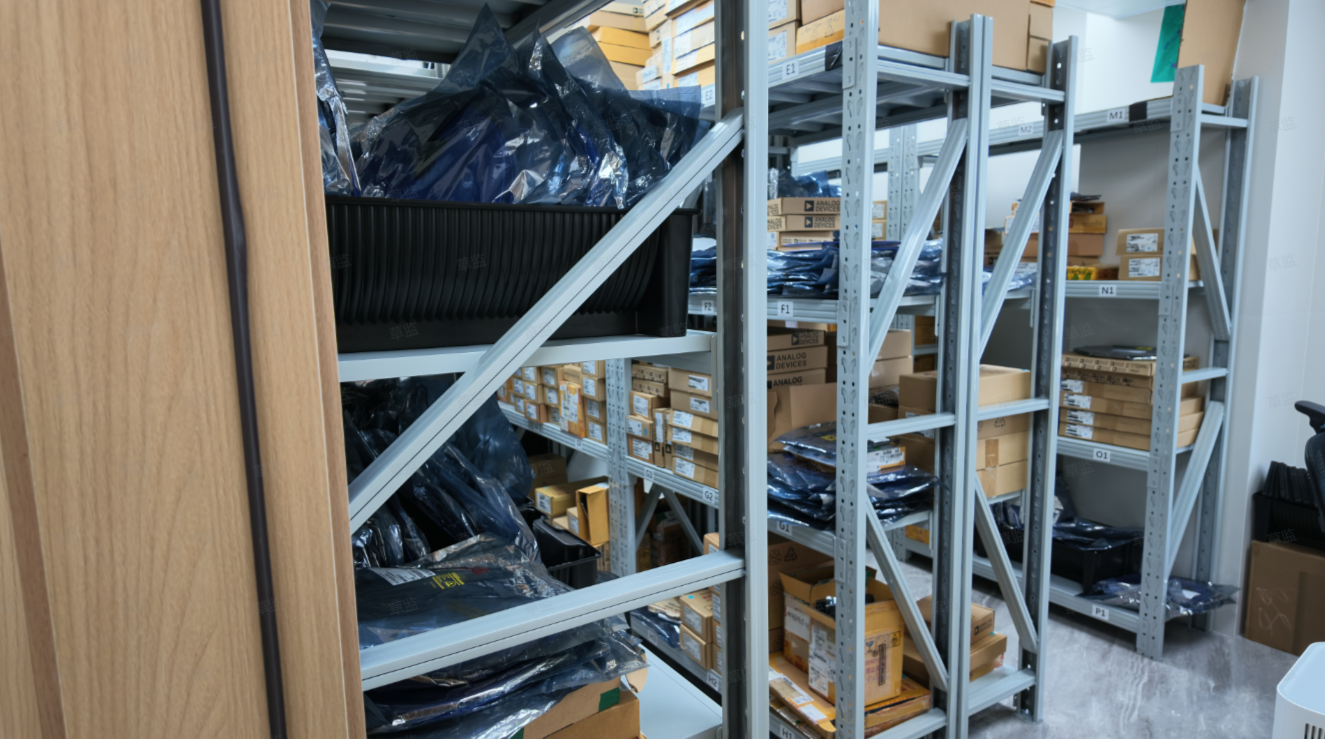
At Mayhwa, we support electronic manufacturers with component sourcing, urgent quotations, sample procurement, and supply solutions during component shortages. Our supplier network includes more than 2,000 electronic component sources. We also purchase inventory through factories and established distribution channels such as Avnet, Arrow, Future, and WPG.
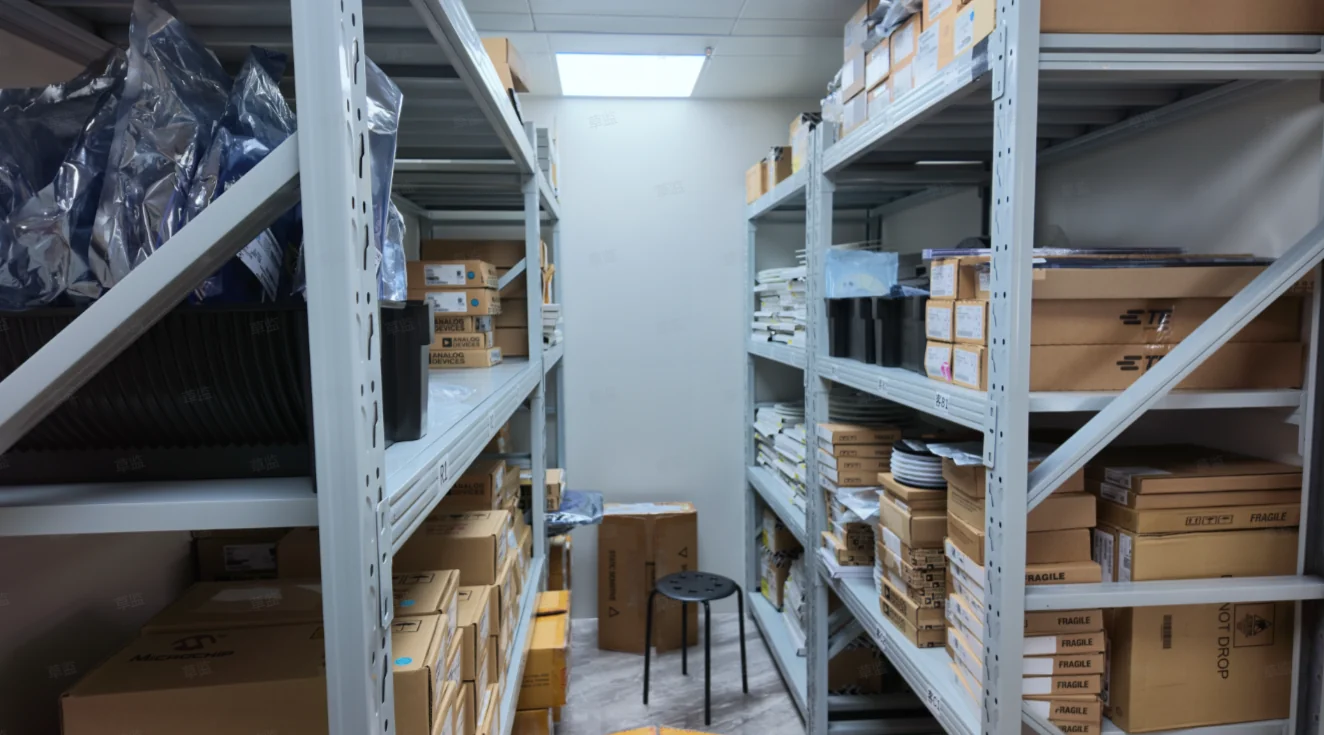
Our Shenzhen and Hong Kong warehouse resources include more than 3,000 stocked line items. For B2B buyers, this can help when engineering teams have approved a part but purchasing teams still need to compare price, delivery time, and supply options. These factors are relevant in industrial and server projects where production interruptions can be costly.
Where the Device Fits in Practice
The STMicroelectronics Cortex-M3 32-bit MCU fits general embedded and industrial control tasks because it combines processing performance with communication and analog resources. Typical design areas include industrial automation, motor control, data acquisition, interface control, and general embedded equipment.
Engineers should still review the full system requirement before committing to one controller. Peripheral count, memory use, voltage compatibility, communication speed, PCB space, and operating temperature need to be checked together. In motor-control or automation boards, teams should also confirm timer allocation, ADC channel demand, and communication-port availability before freezing the schematic.
A Practical Selection View
Technical suitability and supply planning work better when reviewed together. Engineering teams can confirm memory, interfaces, analog functions, package, and environmental limits, while purchasing teams check availability, price, delivery expectations, and sourcing routes. This reduces the chance of approving a component that later creates avoidable procurement pressure.
At Mayhwa, we use this combined view when supporting B2B component sourcing. The goal is not simply to locate a listed part, but to help customers connect the approved specification with realistic purchasing conditions. For industrial and server-related projects, that connection can make component planning clearer from prototype preparation through scheduled production.