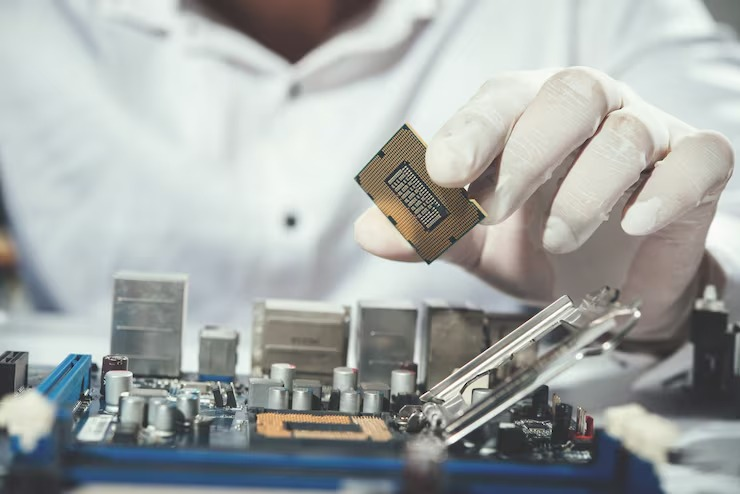
Compact control boards often need processing, communication, analog input, and device control within limited PCB space. The MCU is one of the parts that shapes the board architecture. A STM32F103C8T6 Cortex-M3 Microcontroller MCU can suit projects that need a 32-bit control platform with several common interfaces and a compact surface-mount package.
The choice is not only about CPU speed. Memory size, I/O count, communication resources, package dimensions, and peripheral integration all affect layout and firmware work. A STMicroelectronics Cortex-M3 32-bit MCU can therefore be evaluated as part of the whole control system rather than as an isolated component.

Why Package Size Matters in Board Planning
The STM32F103C8T6 is supplied in a 48-pin LQFP package with a 7 × 7 mm body. This gives engineers a compact footprint while providing access to useful I/O and peripheral functions. For industrial boards, this can help when the PCB must fit inside a small controller, instrument, sensor module, or motor-control enclosure.
Package choice also affects routing. Forty-eight pins provide flexibility when the design uses several communication buses, analog inputs, or control signals. At the same time, the LQFP format remains practical for surface-mount assembly and inspection in many production environments.
Board designers still need to review pin allocation early. USB, CAN, SPI, I²C, USART, ADC channels, timers, and GPIO requirements can compete for available pins. A clear pin map before schematic completion helps reduce later redesign work.
Power routing, decoupling, clock placement, and connector positions should also be planned around the MCU. These details often influence board quality more than simply selecting a processor with a higher headline specification.
Processing and Memory for Everyday Embedded Control
The STM32F103C8T6 uses an Arm Cortex-M3 32-bit RISC core operating at up to 72 MHz. It includes 64 KB Flash and 20 KB SRAM. This combination can support general embedded tasks where control logic, communication, timing, and data handling need to run together.
For industrial control, processing demand may come from sensor sampling, state machines, motor-related timing, communication stacks, and user-interface functions. Engineers should estimate these loads before component selection instead of relying only on maximum clock frequency.
Memory planning is equally important. Flash capacity affects firmware size, while SRAM affects buffers, variables, communication handling, and temporary data. Projects with future feature expansion should leave practical margin rather than using nearly all available resources at the first firmware release.
This is also where a STM32F103C8T6 Cortex-M3 Microcontroller MCU can be assessed against the real software scope. The key question is whether the planned firmware, libraries, communication functions, and maintenance needs fit the available resources.
Peripheral Integration Can Reduce Extra Components
The device integrates two 12-bit ADCs, timers, DMA, and up to 37 I/Os. It also includes USB, CAN, SPI, I²C, and USART interfaces. This combination can reduce the need for separate interface devices in some board designs.
Industrial equipment often needs to read analog signals, communicate with controllers, drive indicators, monitor switches, or exchange data with sensors. Integrated peripherals can simplify the architecture when their functions match the project requirements.
Timers are useful in applications that depend on repeatable timing or pulse generation. ADCs can support sensor and measurement tasks. DMA can help move data with less continuous CPU involvement. Communication interfaces can connect the controller to external modules, buses, or service tools.
These features also explain why the part may appear in motor control, instrumentation, industrial control, and other general-purpose embedded designs. The value comes from combining several common functions in one MCU rather than adding complexity without a clear system need.
What B2B Buyers Should Check Before Ordering
For engineering teams, part selection is only one side of the decision. Procurement teams also need to consider availability, delivery schedule, sourcing channel, required quantity, and shortage risk. These factors can affect production schedules after the electrical design is complete.
At Mayhwa, we support electronic component sourcing for manufacturers facing urgent quotation requests, sample needs, or supply shortages. Our role is not to replace engineering evaluation, but to help purchasing teams connect technical requirements with practical sourcing conditions.
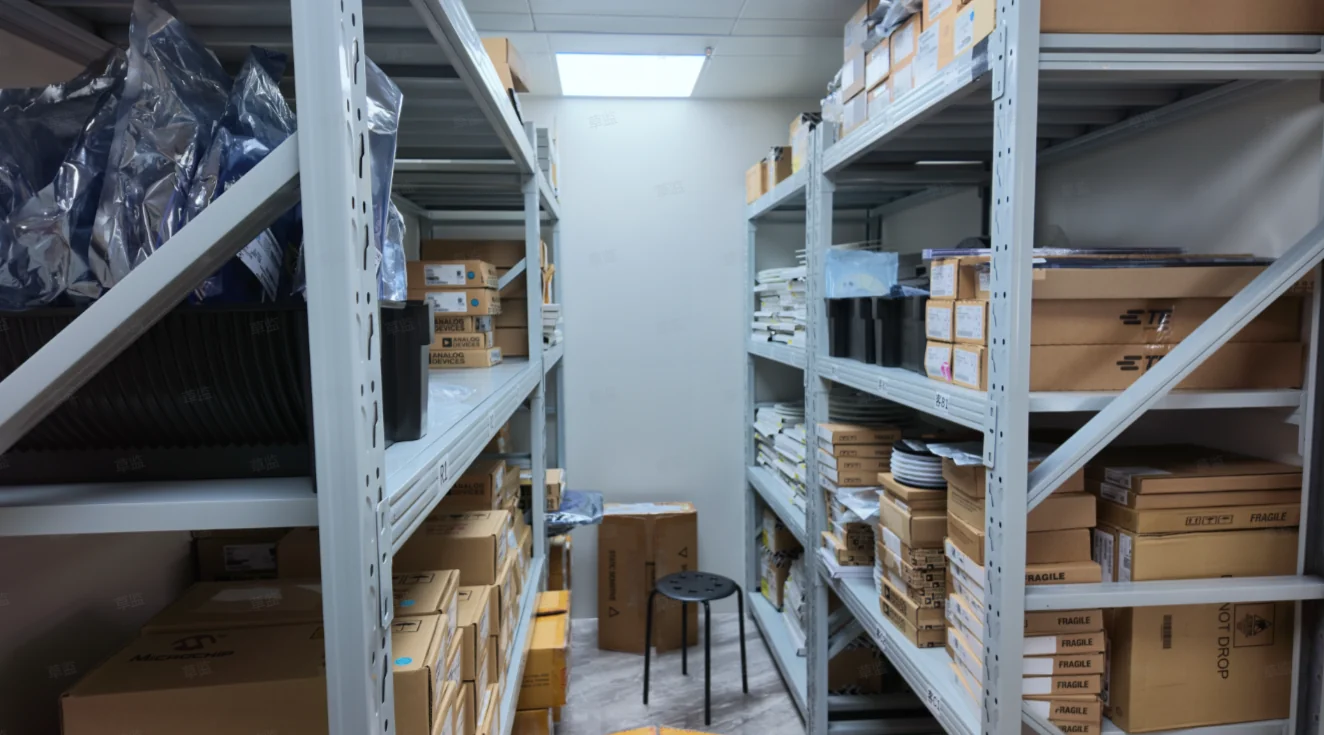
We work with more than 2,000 electronic component suppliers and also source stock through factories and official distributors such as Avnet, Arrow, Future, and WPG. Our Shenzhen and Hong Kong warehouses hold more than 3,000 stocked line items, supporting discussions around availability and delivery planning.
When purchasing a STMicroelectronics Cortex-M3 32-bit MCU, buyers should confirm the exact model, package, memory configuration, and required quantity against the BOM. Clear part-number control reduces the risk of ordering a similar-looking device that does not match the approved design.
A Practical Way to Connect Design and Supply
A compact MCU can improve board planning when its package, processing resources, memory, and peripherals match the application. For the STM32F103C8T6, the 48-pin LQFP format, 72 MHz Cortex-M3 core, 64 KB Flash, 20 KB SRAM, ADCs, timers, DMA, and communication interfaces give engineers several points to evaluate together.
For B2B projects, technical fit and supply planning should be reviewed together. Mayhwa can support this process through component sourcing and inventory coordination, while engineering teams keep control of qualification and design decisions. This approach connects board requirements with purchasing realities without turning component selection into a purely price-driven decision.